Global markets stabilize as conflict eases while Indian politics sees major shifts in Rajya Sabha and state leadership.
The week of March 9-10, 2026, marked a significant turning point in global stability and domestic political landscapes. From the White House to the Rajya Sabha, major announcements reshaped expectations for the coming months. The narrative was driven by high-stakes geopolitical developments in West Asia, volatile financial markets reacting to oil prices, and intense political maneuvering within India’s legislative bodies. As U.S. President Donald Trump addressed the international community, the ripple effects were felt immediately in stock exchanges and energy sectors worldwide. Simultaneously, domestic politics saw decisive victories for key figures like Sharad Pawar and M.K. Stalin, highlighting a dynamic period of transition across borders.
The global economy experienced a manic session on Monday, March 9, 2026, characterized by extreme volatility in the stock markets. U.S. stocks erased significant early losses to end the day with solid gains, driven largely by shifting sentiments regarding the ongoing conflict in West Asia. The primary catalyst for this turnaround was the behavior of oil prices, which had previously spiked to nearly $120 per barrel—their highest level since 2022—before whipping back toward $90 per barrel.
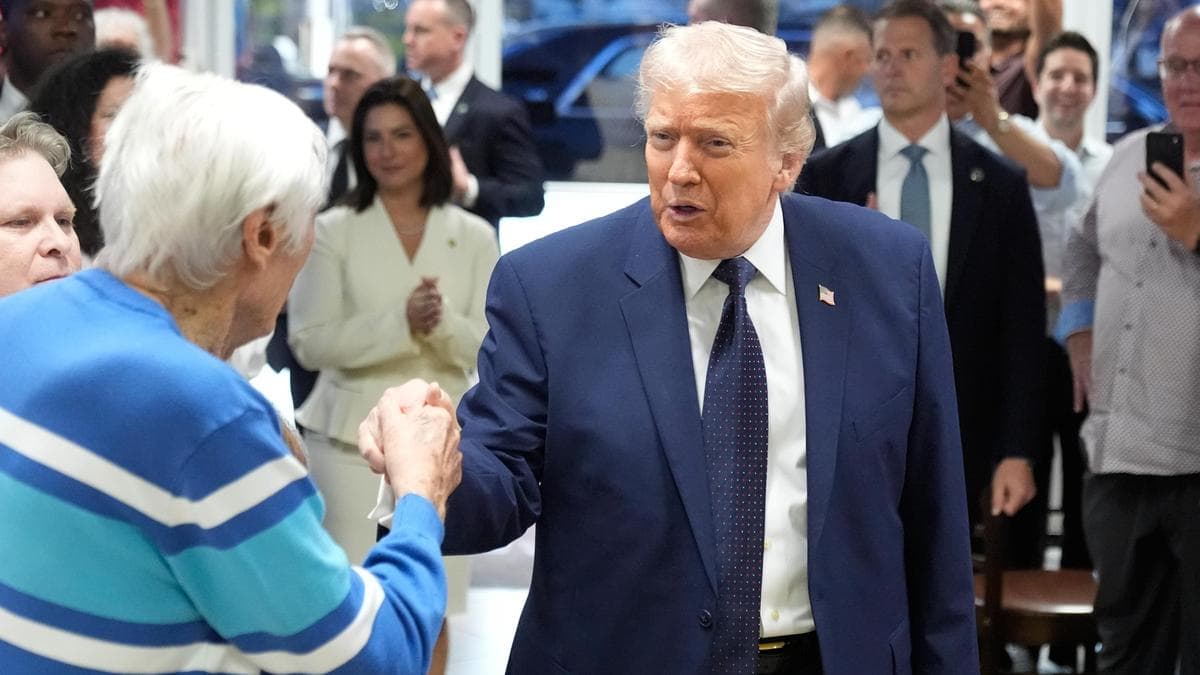
U.S. President Donald Trump played a central role in influencing market sentiment on Tuesday, March 10, 2026. During a press conference and speech, he pushed the idea that the Israel-Iran war would end “very soon,” though he remained vague regarding specific timelines for ending the attacks. While his earlier suggestion that the U.S.-Israeli assault was “very complete” initially caused markets to jump, later accounts offered shifting expectations. Historical data suggests the U.S. stock market has a history of bouncing back relatively quickly from military conflicts, provided oil prices do not remain elevated for extended periods. The drop below $90 signaled hope that the war may not last as long as feared, stabilizing investor confidence.
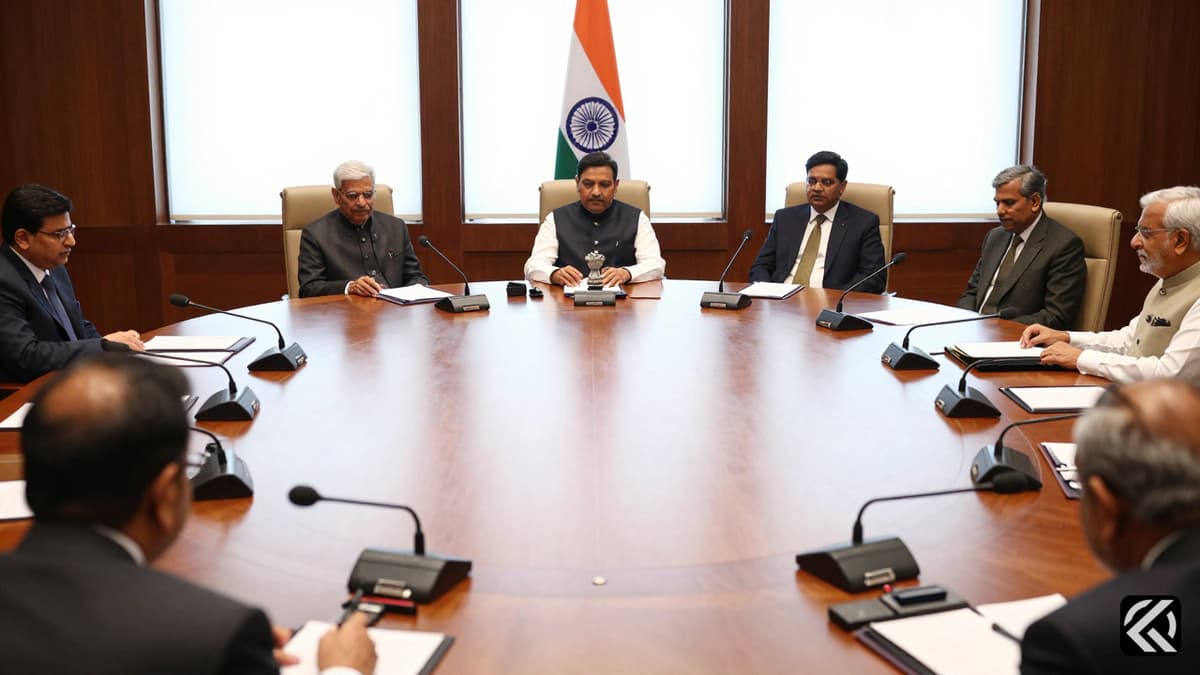
In India, the political landscape was equally active with significant developments in both the Upper House and state assemblies. Sharad Pawar, the NCP (SP) supremo, and Union minister Ramdas Athawale were among 26 candidates elected unopposed to the Rajya Sabha on Monday, March 9, 2026. Following the withdrawal deadline, elections for the remaining 11 seats—comprising five in Bihar, four in Odisha, and two in Haryana—are scheduled for March 16.

Meanwhile, tensions rose in the Lok Sabha during the Budget Session. A resolution seeking the removal of Speaker Om Birla failed to be taken up due to repeated adjournments. The Opposition insisted on a full-fledged discussion regarding the West Asia crisis and its impact on nearly 10 million Indians living in the region, causing the session to focus heavily on international affairs rather than internal accountability measures.
On the state front, DMK president and Chief Minister M.K. Stalin addressed a mammoth gathering at the 12th State conference in Siruganur. Asserting that the “saffron brigade” would never be able to paint Tamil Nadu in saffron, he threw down the gauntlet to the BJP. Stalin stated that the party would never be able to rule the State even if it came wearing the mask of the AIADMK. Additionally, sources indicate the government has reached out to Opposition leaders regarding an amendment to advance the timeline for the Constitution (One Hundred and Sixth Amendment) Act, also known as the Nari Shakti Vandan Adhiniyam, which allocates 33% of seats to women in legislative bodies.
Beyond politics and markets, regulatory bodies and international sports organizations recorded major developments. The Income Tax Department unveiled a significant crackdown on financial transparency within the hospitality sector. An investigation launched in November 2025 uncovered ₹408 crore worth of sales being hidden by restaurants across India through bill deletions and data modification. Advanced analytics using AI-enabled tools examined transactional data from approximately 1.77 lakh restaurants in the F&B sector to reach these conclusions.
In a humanitarian move regarding sports, Australia agreed on Tuesday, March 10, 2026, to grant visas to five Iranian women soccer players following an appeal by President Trump. Concerns over their safety in Tehran prompted U.S. intervention with Canberra. Home Affairs Minister Tony Burke confirmed that the other members of the team were also welcome to stay back in Australia. Finally, in the realm of football, the Champions League last 16 will feature headline rematches between Madrid-Man City and PSG-Chelsea, adding further sporting interest to an eventful week.
The news cycle of March 9-10, 2026, was defined by a convergence of geopolitical easing signals and robust domestic political activity. While President Trump’s comments on the Israel-Iran conflict provided relief to global markets by stabilizing oil prices, Indian politics saw decisive moves from leaders like Sharad Pawar and M.K. Stalin. Simultaneously, regulatory bodies tightened enforcement on financial compliance in the hospitality sector, and international sports organizations facilitated visa approvals for athletes facing safety concerns. The week underscored how interconnected global stability, economic health, and political will remain in the modern era.
Jun 9, 2026 02:39 UTC
US Warplane Strikes Tanker MT Marivex; Crew Evacuated in Gulf of Oman
Join 50,000+ readers getting the global briefing every morning.
No spam. Unsubscribe anytime.
Jun 9, 2026 00:00 UTC
INDIA Bloc Leaders Gather in Delhi to Forge Strategic Unity
Jun 8, 2026 22:55 UTC
Netanyahu Vows Forceful Response to Future Iran Attacks
Jun 8, 2026 20:56 UTC
Netanyahu Halts Iran Fighting, Vows Future Force
Jun 8, 2026 20:54 UTC
Justice Department Moves to Strip Citizenship from 17 Individuals