
Section
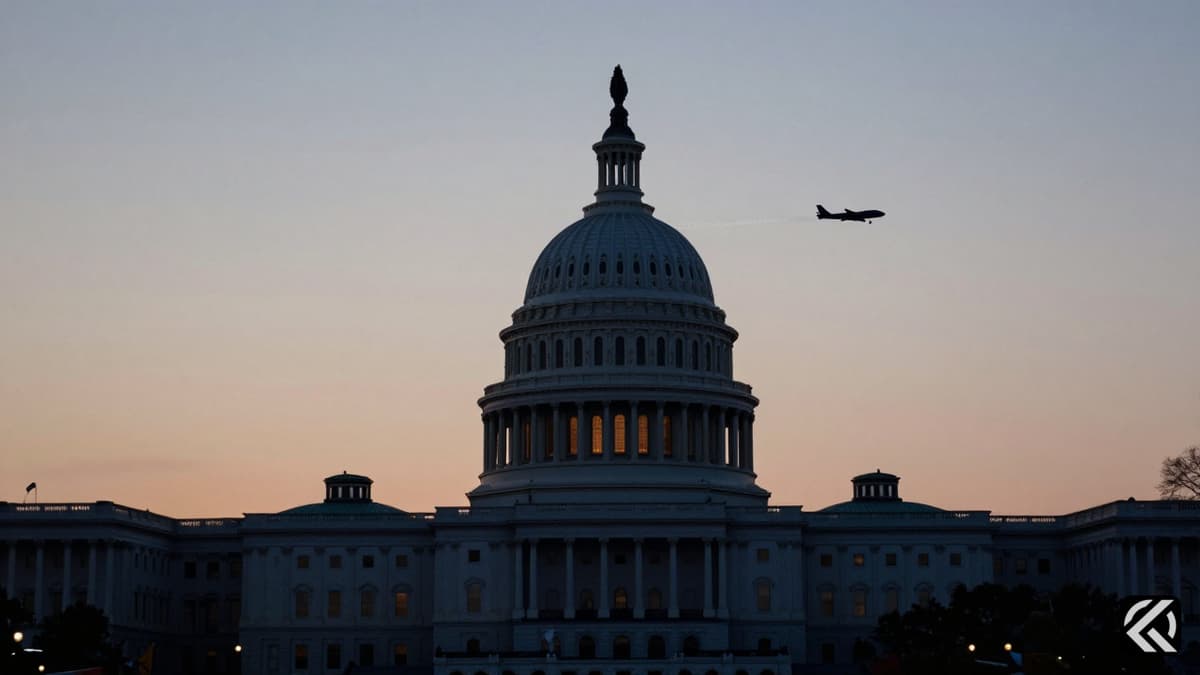
Former Cuban President Raúl Castro has been indicted by the US for his role in the 1996 downing of two humanitarian planes, marking a historic legal pursuit of accountability.
The US Department of Justice has filed a formal indictment against former Cuban President Raúl Castro regarding the 1996 fatal downing of two humanitarian planes. This legal action targets Castro for his role in the chain of command that led to the deaths of four US nationals. The announcement was made during a press conference in Miami, attended by Cuban American leaders and government officials. Acting Attorney General Todd Blanche stated that the indictment reflects a commitment to pursuing justice for the victims. The case involves charges of conspiring to kill US nationals and murder, stemming from the incident that sparked international outrage decades ago.
Blanche emphasized that the US does not forget its citizens and that leaders cannot target Americans without facing accountability. The indictment was unsealed in late April but announced publicly in mid-May after significant evidence gathering. Blanche noted that while the US indicts individuals abroad regularly, the method of bringing them to justice varies. He clarified that this is not a "show indictment" and that Castro would appear in court either by his own will or by other means, a decision reserved for the president. The legal process moves forward as the US seeks to hold those responsible for the 1996 tragedy accountable under US law.
The indictment addresses the shooting down of two planes by Cuban MiGs on February 24, 1996. The planes belonged to Brothers to the Rescue, a Miami-based organization that had been conducting humanitarian missions to warn Cubans of maritime hazards and facilitate escapes. The downing of these aircraft resulted in the deaths of Armando Alejandre Jr., Carlos Alberto Costa, Mario Manuel de la Peña, and Pablo Morales. US Attorney Jason A. Reding Quiñones stated that Castro oversaw the chain of command when Cuban aircraft fired missiles that killed the four men. This marks the first time in more than 70 years that a senior leader of the Cuban regime has been charged with acts of violence resulting in the deaths of Americans.
FBI Deputy Director Christopher Raia highlighted the long-term nature of the investigation, noting that 16 FBI teams have worked on the incident over the past 30 years. Raia, whose family has deep roots in the Cuban refugee community, described the issue as deeply personal due to his past work with the Coast Guard in Miami. He affirmed that the US will come after anyone who harms its citizens, stating, "We never stopped hunting for the truth." The emotional weight of the day was palpable in Miami, where a standing ovation erupted among Cuban Americans gathered at the Freedom Tower. Many guests, representing exile organizations that have opposed the Cuban government for decades, expressed their emotion over this historic development.
Florida Senator Ashley Moody read out the specific penalties associated with the Raúl Castro indictment. The charges include one count of conspiring to kill US nationals, which carries a maximum penalty of life in prison. Counts two and three, related to the destruction of US aircraft, carry maximum terms of five years each. Charges four through seven are murder charges, with maximum penalties of death or life imprisonment. These charges must be proven in a US court, where defendants are presumed innocent until proven guilty. The severity of the potential penalties underscores the gravity of the crimes and the US government's stance on protecting its citizens.
The political context of this indictment is significant, particularly regarding the Trump administration's policies toward Cuba. While President Trump was not present, his administration's hardline stance is evident in this pursuit of justice. Trump has historically enjoyed strong support among Cuban-Americans, although recent immigration policies have caused some friction within the community. The indictment aligns with efforts to pressure the Cuban government and supports the narrative of a "new relationship" with a future non-communist Cuba, as suggested by Secretary of State Marco Rubio. Rubio’s video message to Cubans offered a new path where Washington would directly support the Cuban people, potentially bypassing current regimes.
Cuban American lawmakers, including Congressmen Carlos Gimenez and Congresswoman Maria Salazar, expressed strong support for the indictment. They called for Castro’s arrest, drawing parallels to the recent detention of Venezuelan President Nicolás Maduro. Salazar argued that such actions are necessary to prevent thieves from running the island. Gimenez noted that while justice is essential, the decision to arrest Castro rests with the president. The presence of powerful Cuban-American figures in the Trump administration, such as Secretary of State Marco Rubio and representatives from Florida, highlights the importance of this constituency in US foreign policy decisions.
The indictment serves as a symbolic and legal step toward accountability for past atrocities. It reinforces the US position that time does not erase murder and that those responsible will face consequences. The case also reflects the enduring impact of the 1996 incident on the Cuban exile community and US-Cuba relations. As the legal proceedings move forward, the indictment remains a focal point for discussions on justice, diplomacy, and the future of the island.
The indictment of former Cuban President Raúl Castro marks a pivotal moment in the pursuit of justice for the 1996 downing of two humanitarian planes. By charging Castro with conspiracy and murder, the US government reaffirms its commitment to holding leaders accountable for crimes against its citizens, regardless of how much time has passed. This legal action not only honors the memory of the four victims but also signals a tough stance in US-Cuba relations. As the case proceeds in court, it may influence future diplomatic strategies and internal dynamics in Cuba, particularly regarding the exile community's role in shaping policy toward the island nation.
Jun 11, 2026 17:21 UTC
Bangladesh Opposition Mobilizes Against India-Bangladesh Border Push-Ins and BSF Killings
Join 50,000+ readers getting the global briefing every morning.
No spam. Unsubscribe anytime.
Jun 11, 2026 17:40 UTC
Boelter Pleads Guilty in Minnesota Political Assassinations
Jun 11, 2026 17:21 UTC
Bangladesh Opposition Mobilizes Against India-Bangladesh Border Push-Ins and BSF Killings
Jun 11, 2026 17:21 UTC
John Healey Quits as UK Defence Secretary Over Funding Dispute
Jun 11, 2026 16:19 UTC
UK Defence Secretary John Healey Quits Over Funding Dispute


