Regional hostilities intensify with Saudi intercepts and Kuwait base attacks, while global markets react to potential Strait of Hormuz disruptions.
The geopolitical landscape in West Asia has shifted dramatically following renewed hostilities involving major global powers. A complex web of missile exchanges and economic sanctions is unfolding across the Gulf region. Saudi Arabia confirmed intercepting multiple ballistic missiles targeting its air bases, while reports indicate strikes on United States facilities in Kuwait. This escalation marks a significant turning point, drawing in regional neighbors and impacting global supply chains significantly.
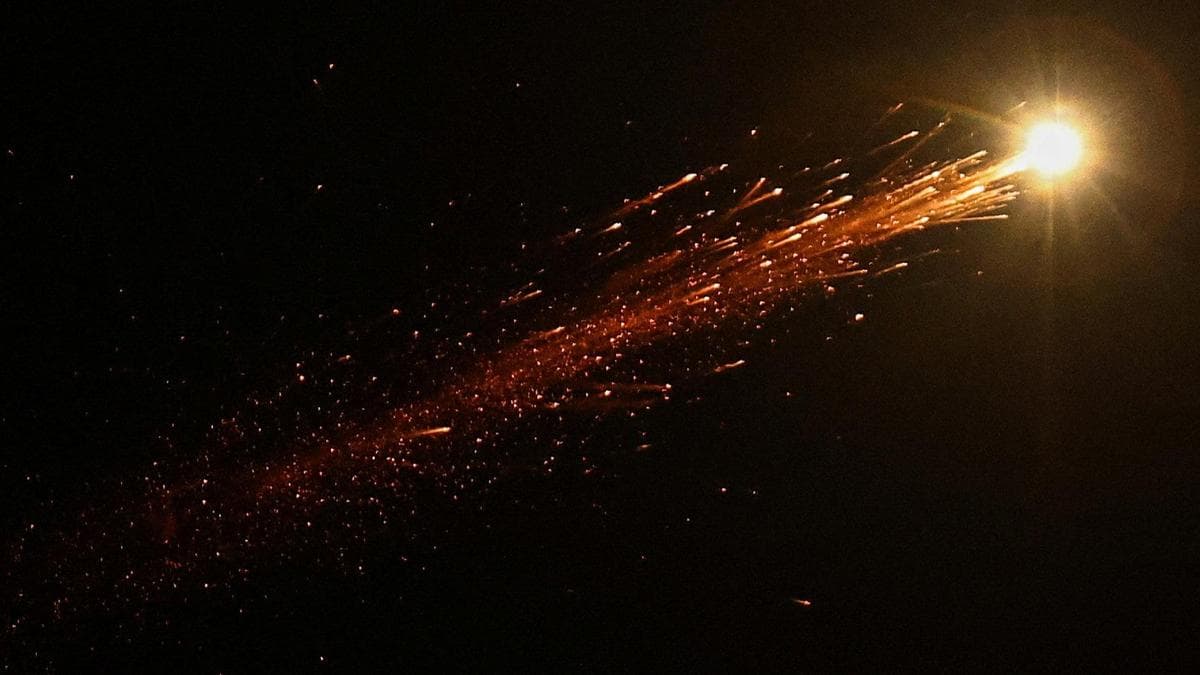
The intensity of the conflict has prompted active defense measures from Gulf allies. Saudi Arabia’s defence ministry announced the destruction of seven ballistic missiles launched towards Prince Sultan Air Base and the eastern region. Their forces neutralized a wave of nine drones, including five destroyed east of Al Kharj province. Israel’s military confirmed detecting incoming threats from Iran, activating air defences to intercept them. The IDF continues pressing strikes against Iranian and Lebanese territories. Meanwhile, the Islamic Revolutionary Guards Corps claimed responsibility for hitting Camp Arifjan in Kuwait with two missiles. A drone attack targeted a US diplomatic support center near Baghdad airport, highlighting the broadening scope of the retaliation campaign.
The conflict is exerting immediate pressure on global energy security, particularly affecting India. Liquefied petroleum gas (LPG) supplies are under stress due to import dependence and a virtual blockade of the Strait of Hormuz. Indian hotels and restaurants are grappling with cooking gas shortages, threatening potential shutdowns. This situation exposes India’s LPG dependence as detailed in recent reports. Crude prices sank to $87.80 per barrel as oil-importing countries discussed emergency stockpile releases. The International Energy Agency is monitoring the critical waterway closely for potential disruptions. France’s President Emmanuel Macron convened a call with Group of Seven leaders to discuss rising energy prices and the Iran crisis. French officials note that G7 governments are currently weighing responses to sharp price increases triggered by the ongoing war.
New Delhi is ramping up diplomatic efforts. External Affairs Minister S. Jaishankar held a third conversation with Iranian counterpart Seyed Abbas Araghchi since the crisis began. The focus remains on protecting India’s energy security amid the blockade. Aviation services are adjusting accordingly; Air India and its subsidiary Air India Express plan to operate 58 flights to West Asia in calibrated operations due to airspace restrictions. International reactions vary, with North Korea respecting Iran’s leadership choice following the death of Ali Khamenei in an Israeli airstrike on February 28. Pyongyang has condemned the US-Israeli attack as illegal aggression. A container ship off the UAE coast also sustained damage from a suspected projectile, underscoring the danger to maritime trade.
The ongoing conflict between the US-Israel coalition and Iran has intensified military actions across the Gulf while creating significant economic ripples. From intercepted missiles in Saudi Arabia to gas shortages in India, the crisis demands coordinated international responses. As leaders convene and markets fluctuate, the stability of global energy supplies remains the primary concern for stakeholders worldwide.
Jun 9, 2026 20:58 UTC
Trump Demands U.S. Action as Iran Shoots Down Second Aircraft
Join 50,000+ readers getting the global briefing every morning.
No spam. Unsubscribe anytime.
Jun 9, 2026 18:37 UTC
Israel Strikes Tyre Despite Iranian Warnings
Jun 9, 2026 16:42 UTC
IAB Framework Data Practices and User Privacy Choices
Jun 9, 2026 16:07 UTC
Madhya Pradesh Congress Departs for Bengaluru to Avoid Rajya Sabha Elections Pitfalls
Jun 9, 2026 14:27 UTC
US Sea Drone Saves Army Helicopter Crew Near Strait of Hormuz