Section
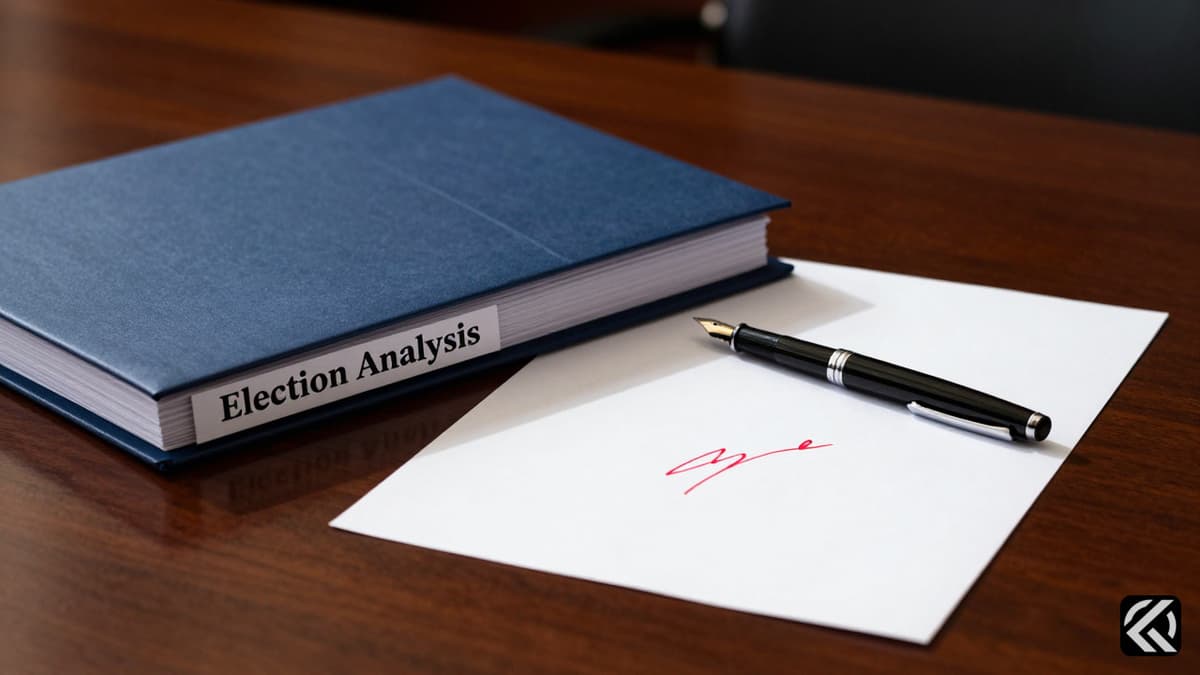
The DNC chair finally releases the unedited 2024 election autopsy by Paul Rivera, admitting the initial draft failed to meet standards.
CNN is publishing a copy of a report into why Democrats lost the 2024 presidential election, a document conducted at the request of Democratic National Committee Chair Ken Martin. This version of the report, better known as the DNC autopsy, was written by Democratic strategist Paul Rivera. The DNC withheld the report until presented with CNN’s reporting about much of its contents. The copy published by CNN includes annotations in red that the DNC added to its version of Rivera’s report. CNN has not modified the report and does not vouch for the accuracy of any statements within the report or the DNC’s annotations. Click here for a report about how the autopsy was created, based on interviews with three dozen campaign and party officials as well as people familiar with the process. And CNN’s takeaways from the report are available here.
Martin issued the following statement to CNN:
“When I was elected DNC chair, I commissioned an after action review of the 2024 election that I wanted to be honest and transparent, and with actionable and specific takeaways for the future of the Democratic Party. When I received the report late last year, it wasn’t ready for primetime - not even close - and because no source material was provided, it would have meant starting over. I could not in good faith put the DNC’s stamp of approval on the report that was produced.”
“After last November’s massive Democratic wins, I didn’t want to create a distraction, but by not putting the report out, I ended up creating an even bigger distraction. For that, I sincerely apologize. For full transparency, I am releasing the report as we received it, in its entirety, unedited and unabridged. It does not meet my standards, and it won’t meet your standards, but I am doing this because people need to be able to trust the Democratic Party and trust our word.”
Rivera declined to comment.
The release of the Paul Rivera document marks a significant turning point in the Democratic Party's post-2024 election landscape. For months, the party had been under intense scrutiny regarding its internal analysis of the defeat. The decision to withhold the initial draft was driven by Chair Martin’s assessment that the material was fundamentally incomplete. He stated explicitly that the lack of provided source material meant the team would have had to start the review process over from scratch. This logistical failure prevented him from attaching the DNC’s official stamp of approval to a draft he deemed unfit for public consumption.
The tension between the need for honest introspection and the political reality of publishing a flawed document created a stalemate. Martin acknowledged that his attempt to avoid creating a distraction following the party's recent electoral successes backfired. He admitted that by not releasing the report initially, he inadvertently created a larger distraction, damaging the party's credibility. The eventual release, therefore, serves as a corrective measure, albeit one forced by external reporting pressure rather than internal initiative.
The nature of the published document reveals the contentious nature of the review process. The CNN version includes specific red annotations added by the DNC to Rivera’s original text. This indicates that while the core analysis was conducted by Rivera, the party leadership felt compelled to alter or critique specific findings before publication. However, CNN’s disclaimer regarding these annotations underscores the uncertainty surrounding the final state of the document. The publication does not validate the DNC’s edits, nor does it confirm the accuracy of Rivera’s original assertions. This leaves the party’s official stance somewhat ambiguous, caught between the strategist’s initial review and the committee’s subsequent corrections.
The publication of this autopsy report carries weight for the Democratic Party’s strategic direction. Martin emphasized that the commission was intended to provide "actionable and specific takeaways for the future of the Democratic Party." The admission that the report did not meet his standards suggests that the party’s internal diagnosis of the 2024 loss may still be in flux. The reliance on a single strategist’s perspective, coupled with the lack of comprehensive source material, highlights potential gaps in the party’s data collection or analytical infrastructure during the campaign.
Furthermore, the apology issued by Martin indicates a growing recognition of the importance of transparency in rebuilding public trust. The statement that "people need to be able to trust the Democratic Party and trust our word" points to a broader crisis of confidence within the electorate. By releasing the report in its entirety, unedited and unabridged, Martin attempts to mitigate further damage to the party’s reputation. However, the fact that the report remains controversial and unverified by the DNC leaves many questions unanswered. The party now faces the challenge of extracting meaningful policy and strategic lessons from a document that neither its author nor its chair fully endorsed.
The political ramifications extend beyond immediate internal adjustments. The delay in publication allowed opposition narratives to fester, potentially shaping public perception of the Democratic Party’s readiness to learn from its mistakes. The release now forces a public reckoning with these issues. While the report provides a snapshot of one strategist’s viewpoint, the annotations and the chair’s critique suggest significant internal disagreement on the root causes of the defeat. This fragmentation may complicate efforts to present a unified front in upcoming elections.
The release of the unedited DNC autopsy signifies a critical juncture for the Democratic Party. While Chair Martin’s apology and the full disclosure of the Rivera document aim to restore transparency, the admitted deficiencies in the report’s preparation raise serious questions about the party’s analytical capabilities. The lack of source material and the subsequent redactions suggest that the party’s understanding of its 2024 loss may still be incomplete. As the Democratic Party attempts to move forward, the long-term impact of this delayed and contested report will depend on whether the party can extract actionable, consensus-building lessons from a document that many within its own leadership deemed unfit for primetime.
Jun 11, 2026 17:21 UTC
Bangladesh Opposition Mobilizes Against India-Bangladesh Border Push-Ins and BSF Killings
Join 50,000+ readers getting the global briefing every morning.
No spam. Unsubscribe anytime.
Jun 11, 2026 17:40 UTC
Boelter Pleads Guilty in Minnesota Political Assassinations
Jun 11, 2026 17:21 UTC
Bangladesh Opposition Mobilizes Against India-Bangladesh Border Push-Ins and BSF Killings
Jun 11, 2026 17:21 UTC
John Healey Quits as UK Defence Secretary Over Funding Dispute
Jun 11, 2026 16:19 UTC
UK Defence Secretary John Healey Quits Over Funding Dispute