Tensions soar as Israel targets Lebanon, ignoring U.S.-Iran truce terms, while Iran shuts vital shipping lanes and prepares to withdraw from the agreement.
Nations teeter on the edge of war as Israel Lebanon strikes intensify, killing over 180 people in Beirut, while the fragile U.S.-Iran ceasefire faces immediate collapse. The White House confirmed that the truce does not cover Lebanon, yet Iranian officials vow to withdraw from the deal. Simultaneously, the critical Strait of Hormuz has been closed again, sending shockwaves through global energy markets as gas prices soar.
The escalation began Wednesday when Israel announced it did not consider Lebanon part of the two-week truce agreed to between the United States and Iran late Tuesday. Despite the diplomatic pause, Israeli forces launched their "largest coordinated strike across Lebanon," resulting in 182 deaths and 890 injuries according to initial authority tolls. The capital Beirut suffered its most violent bombardment since the war began, with AFP journalists witnessing buildings collapsing and panic in the streets without prior warning. Lebanese Health Ministry officials reported 89 martyrs and 700 wounded, including 12 medics.
U.S. Vice President J.D. Vance addressed the crisis in Hungary, urging Iran not to let the negotiation fail over a region deemed outside the deal. "If Iran wants to let this negotiation fall apart... over Lebanon, which has nothing to do with them, and which the United States never once said was part of the ceasefire, that's ultimately their choice," Vance told reporters. He noted that he is due to lead talks with Tehran in Pakistan days later.
The diplomatic rift is further complicated by conflicting reports regarding the ceasefire's scope. While a senior U.S. official stated that a 10-point plan published by Iranian media is not the working framework, Iranian Foreign Minister Abbas Araghchi raised ceasefire violations with Pakistani mediators. Araghchi discussed the "Zionist regime's violations" in both Iran and Lebanon with Pakistani military leader Field Marshal Asim Munir. Tehran has indicated it will withdraw from the agreement if Israel continues its attacks, a stance supported by the Revolutionary Guards, who vowed on Telegram to punish Israel for the atrocities.
President Donald Trump had declared the two-week truce only hours before a self-imposed deadline to Iran to meet U.S. demands or face the end of its "whole civilisation." Trump's primary motivation, preventing Iran from developing a nuclear weapon, remains a "red line." White House Press Secretary Karoline Leavitt stated that Iran has indicated it would turn over its stocks of enriched uranium, a key priority for the President. However, Defence Secretary Pete Hegseth warned that the U.S. knows the location of the stockpile and is prepared to retrieve it by any means necessary, including potential bombing if Iran refuses voluntary transfer.
The tension extends to the North Atlantic, where the White House accused NATO of turning their backs on the United States. Secretary-General Mark Rutte met with President Trump to address the President's anger over the failure to reopen the Strait of Hormuz. Trump had previously threatened to leave the trans-Atlantic alliance if members ignored his call to assist in reopening the vital shipping waterway, which Iran had effectively shut.
Israeli Prime Minister Benjamin Netanyahu remained defiant, stating that Israel is prepared to confront Iran if necessary. "We still have objectives to complete, and we will achieve them -- either through agreement or through renewed fighting," Netanyahu said. "We are prepared to return to combat at any moment required. Our finger remains on the trigger."
International reactions have been swift. The United Nations, through spokesperson Farhan Haq, strongly condemned the strikes, lamenting the significant loss of civilian lives and calling for an immediate cessation of hostilities. Meanwhile, Israel's Foreign Minister Gideon Saar cast doubt on the U.S.-Iran truce, noting that significant gaps remain between the adversaries. "Nothing is over yet," Saar stated, expressing skepticism about bridging the positions of the two rivals.
In response to the Israeli attacks, Iranian forces downed an Israeli-made Hermes 900 drone flying above the town of Lar in Fars Province. The Revolutionary Guards stated that the entry of any enemy aircraft into Iranian skies is considered a violation of the ceasefire, demanding a decisive response.
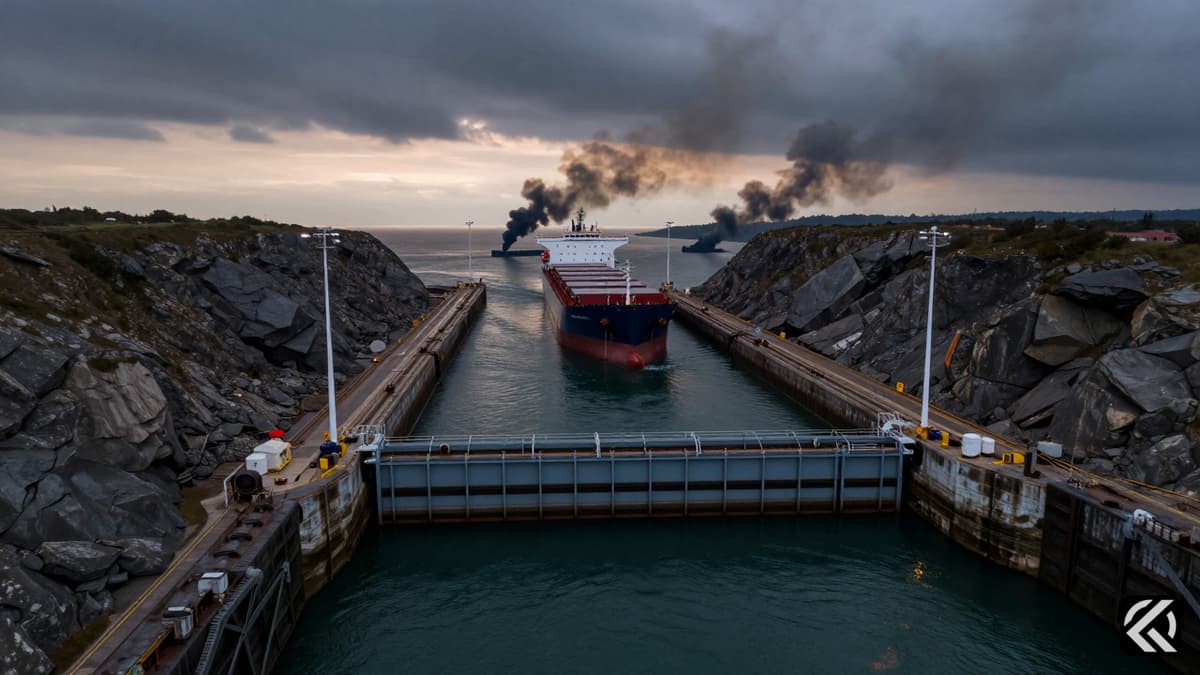
The situation surrounding the Strait of Hormuz remains volatile, serving as a critical flashpoint for potential regional escalation. Iran closed the waterway in direct response to Israeli attacks on Lebanon, effectively shutting down a vital global shipping lane and causing gas prices to spike. While the U.S. and Iran briefly agreed to a truce that included the reopening of the strait, the continued Israeli bombardment of Lebanon threatens to undo these gains. With Iran signaling a withdrawal from the agreement and the U.S. maintaining its stance on uranium, the window for a sustained diplomatic resolution appears to be narrowing. If the United States proceeds with plans to seize uranium stockpiles or if Israel expands its operations in Lebanon, the region could face a return to full-scale conflict, rendering the current truce entirely obsolete. The failure of mediators from Pakistan to bridge these gaps suggests that the coming weeks will be defined by high-stakes military posturing rather than diplomatic breakthroughs.
Jun 8, 2026 00:51 UTC
Trump Claims Iran Nuclear Deal Imminent Despite Diplomatic Fractures
Jun 8, 2026 00:47 UTC
Iran Fires Missiles at Israel After Beirut Strike
Jun 7, 2026 22:00 UTC
US, Iran Peace Hops Fade 100 Days Into War
Jun 7, 2026 20:57 UTC
Iran Strikes Israel: IRGC Promises Week of Continuous Offensive
Jun 8, 2026 02:28 UTC
Trump Walks Out of Meet the Press After Rejecting Evidence Demands


