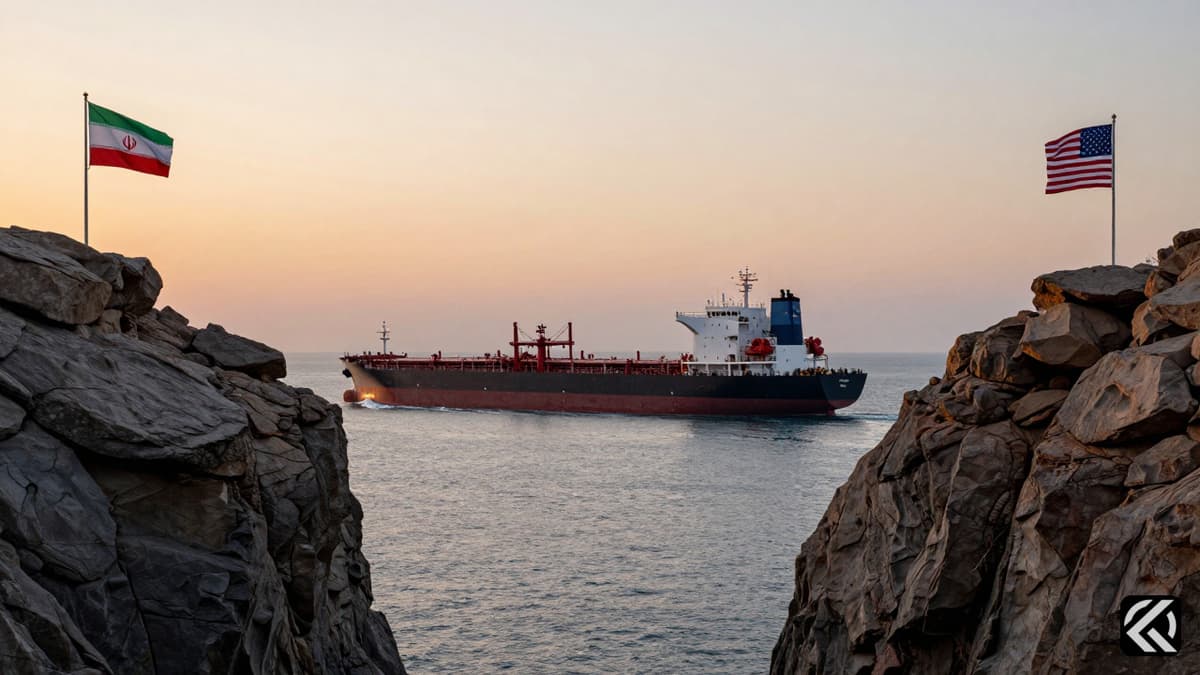
Amidst heightened threats and military posturing, a conditional two-week truce emerges, driven by Pakistan mediation and focusing on the critical Strait of Hormuz.
What is known about the recent diplomatic breakthrough between the US and Iran centers on a conditional two-week ceasefire agreed to after weeks of intense conflict. This agreement, facilitated by Pakistan mediation, allows shipping traffic to resume through the vital Strait of Hormuz. The deal follows aggressive threats from US President Donald Trump and coordinated strikes launched over the past month by the US and Israel against Iranian targets.
In a statement released via Truth Social, President Trump announced he agreed to suspend bombing and attacks on Iran for a two-week period, conditional on Tehran reopening the critical shipping route. Trump claimed the provisional ceasefire was accepted because the US had already met and exceeded all military objectives, a statement made shortly after he had warned that failure to open the strait would result in a "whole civilisation" dying. While Trump indicated the US would now focus on discussing tariff relief, the US military, under Defence Secretary Pete Hegseth, stated that troops would remain vigilant and ready to restart operations at a moment's notice if Iran fails to comply.
Iran's commitment to the deal involves allowing vessels to pass through the Strait of Hormuz for the duration of the truce, with passage coordinated by the Iranian military. Tehran has simultaneously issued a 10-point plan calling for a complete cessation of war across Iran, Iraq, Lebanon, and Yemen. The plan demands full sanctions relief, the release of frozen assets held by the US, and full compensation for reconstruction costs. Additionally, Tehran has reaffirmed its commitment to not seeking nuclear weapons possession.
Israel's position on the agreement remains complex. Prime Minister Benjamin Netanyahu expressed support for Trump's decision to suspend strikes against Iran for two weeks, provided Iran immediately opens the straits and stops all attacks on the region. However, Israeli officials explicitly clarified that the ceasefire does not include Lebanon, where Israel maintains ground troops and has been fighting Hezbollah. Consequently, Israeli strikes continued in the Tyre and Nabatieh areas of Lebanon. Trump's press secretary Karoline Leavitt confirmed that Lebanon is excluded from the deal, prompting the Iranian Revolutionary Guard Corps to promise a regret-inducing response to any continued strikes there.
Following the announcement of the Trump Iran ceasefire, reports indicated that hostilities may not have immediately ceased across the board. Kuwait reported Iranian attacks on Wednesday morning that damaged power and desalination plants as well as oil facilities, despite the agreement to suspend bombing. This highlights the fragile nature of the truce and the ongoing security challenges in the region. The sirens that sounded in Israel shortly after Trump's announcement were followed by reports of the Israel Defense Forces intercepting missiles launched from Iran, indicating that the conflict's intensity has not fully dissipated.
The path forward involves high-level negotiations scheduled to take place in Islamabad. Pakistan, which has served as the primary mediator, has invited the delegations to meet in the capital on Friday to negotiate a conclusive agreement aimed at settling all outstanding disputes. While White House press secretary Karoline Leavitt acknowledged ongoing discussions regarding in-person talks, she emphasized that nothing is considered final until officially announced by the President or the White House. Vice President JD Vance is expected to attend these talks alongside special envoy Steve Witkoff and Jared Kushner. Despite the diplomatic push, the difficulty of negotiations remains evident, especially as reports of continued strikes and infrastructure damage surface, suggesting that while the window for a truce is open, the path to a lasting resolution remains fraught with tension and potential for renewed conflict.
The agreement marks a significant pause in hostilities but leaves underlying regional tensions unresolved, particularly regarding Lebanon and nuclear proliferation. With Israel maintaining its stance that the deal excludes Lebanon and continuing its military operations there, the risk of escalation remains high. Furthermore, the US insistence on immediate compensation for reconstruction and the release of assets underscores the depth of the economic grievances driving the conflict. If the upcoming talks in Islamabad fail to produce a comprehensive settlement, the temporary suspension of hostilities may dissolve, potentially leading to renewed and intensified military engagements across the Middle East. The world now watches closely to see if the two-week window can be extended into a permanent peace or if the region will return to the brink of war.
Jun 8, 2026 02:17 UTC
Magnitude 7.8 Quake Shakes Philippines, Urging Immediate Evacuations
Jun 8, 2026 00:51 UTC
Trump Claims Iran Nuclear Deal Imminent Despite Diplomatic Fractures
Jun 8, 2026 00:47 UTC
Iran Fires Missiles at Israel After Beirut Strike
Jun 7, 2026 22:00 UTC
US, Iran Peace Hops Fade 100 Days Into War
Jun 8, 2026 04:15 UTC
Trump Urges Netanyahu to Halt Iran Strike for Peace


