Congress leader Pawan Khera claims the Assam Chief Minister unleashed state police against him, sparking a confrontation over allegations involving forged documents and foreign investments.
Congress leader Pawan Khera has leveled a serious accusation against Assam Chief Minister Himanta Biswa Sarma, alleging that the Chief Minister utilized the state police machinery to silence him. This charge was made on Wednesday, April 8, 2026, following a significant escalation in a political dispute involving allegations of foreign investments and passport irregularities linked to the CM's family. The core of the conflict centers on the Opposition's queries regarding multiple passports allegedly held by Mr. Sarma's wife.
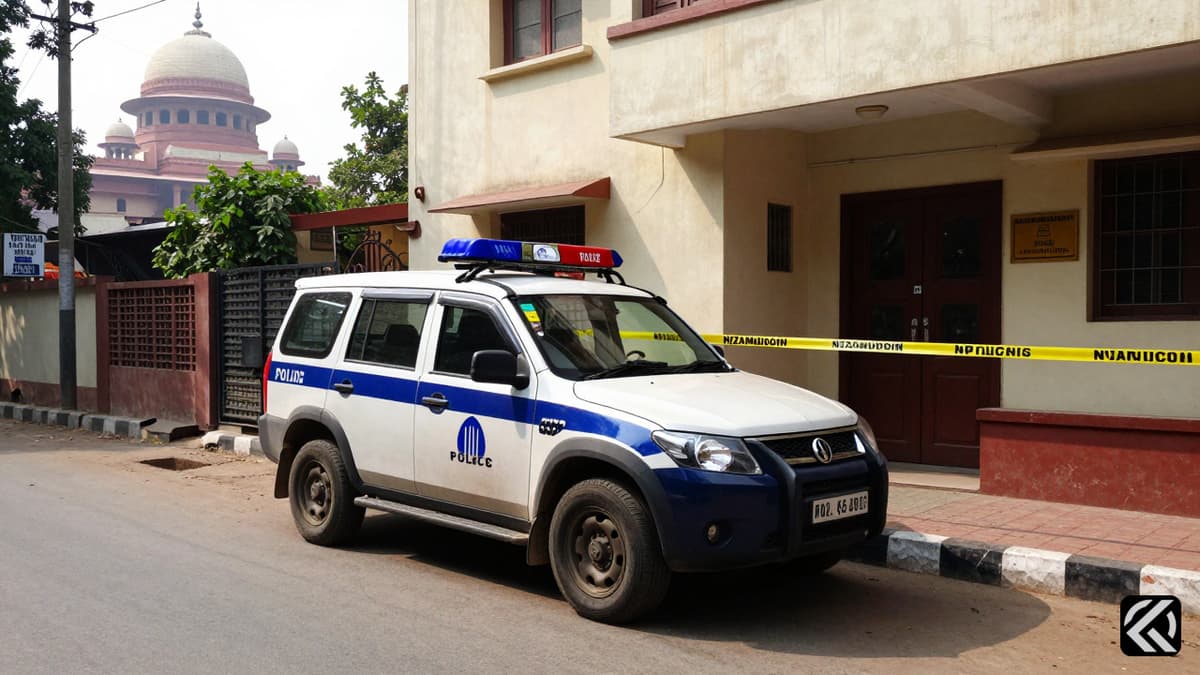
The confrontation took a tangible turn on Tuesday, April 7, 2026, when a team of Assam Police officials arrived in Delhi. They proceeded to conduct a search operation at Pawan Khera's residence located in the Nizamuddin area. This specific Nizamuddin search was the direct result of a criminal complaint filed by Riniki Bhuyan Sharma, the wife of the Assam Chief Minister. Ms. Sharma, an entrepreneur, alleged that the Congress party had utilized forged and fake documents specifically to target her. This legal action by the CM's family appears to have triggered the police deployment against the Congress leader, who now views the raid as a tactical move to avoid answering difficult questions regarding the alleged foreign investments.
The political fallout from these events underscores the intensity of the current dispute. Pawan Khera's statement implies that the police action was not merely a routine investigation but a calculated strategy to mute the Opposition. By "unleashing" the state police on himself, the leader suggests that the administration is unwilling to address the concerns raised about Mr. Sarma's wife. The allegations of using fake documents to frame political opponents add a layer of legal and ethical complexity to the situation. As the Congress leader contests the narrative, the focus remains on the intersection of criminal law and political maneuvering in the wake of these accusations.
The timeline of events reveals a rapid progression from the filing of the criminal complaint to the execution of the search. The Assam Police team's presence in Delhi on Tuesday marks a significant escalation, as it brings state-level law enforcement into a new jurisdiction to act on a complaint made by a private citizen connected to the Chief Minister. Pawan Khera's reaction on Wednesday frames the incident as a direct response to the Opposition's questioning of the Chief Minister's personal and professional integrity. The specific mention of "forged and fake documents" by Ms. Sharma suggests a deliberate attempt to discredit the Congress party's actions, which Khera interprets as a retaliatory measure.
The physical location of the search, the Nizamuddin area, adds specific context to the incident. As a prominent residential locality in Delhi, the raid signifies the reach of the investigation into the personal life of a high-profile political figure. The police action was not confined to a party office or a public building but targeted a private flat, indicating the severity with which the complaint was treated by the authorities. Pawan Khera's assertion that the police were "unleashed" against him highlights a perception of aggression from the state machinery.
Furthermore, the dispute over foreign investments and passports remains the underlying catalyst for this police intervention. The Opposition's initial queries have now triggered a counter-attack in the form of a criminal complaint and a subsequent search warrant execution. This shift from a political debate in parliament or media to a legal confrontation in a Delhi residence demonstrates the high stakes involved. The allegations of multiple passports linked to the CM's wife continue to fuel the controversy, with the current police action serving as the latest development in this ongoing saga.
As the dust settles on the initial search, the broader implications of this political clash are becoming evident. The incident has moved beyond a simple dispute over documents to a larger narrative about the use of state resources in political battles. Pawan Khera's accusation that the Assam CM is using the police to silence questions suggests a breakdown in the norms of political discourse. The Congress leader's stance is that the police action is a tool for silencing dissent rather than a genuine pursuit of justice regarding alleged forgery.
In the coming days, the resolution of this matter will likely depend on the legal outcomes of the criminal complaint and the response from the Delhi police and central authorities regarding the state police's jurisdiction. If the allegations of forged documents prove unsubstantiated, the political fallout for the Assam administration could be severe. Conversely, if the documents are found to be genuine tools of political targeting, it will validate the opposition's narrative of harassment. The trajectory of this story will likely be influenced by how the legal system adjudicates the claims of forgery versus the claims of political victimization.
The current situation places the Assam Chief Minister, Himanta Biswa Sarma, under intense scrutiny. The deployment of police against a senior Congress leader in Delhi, a state where the opposition party holds significant sway, is a bold political move that carries substantial risk. The narrative of the police being "unleashed" suggests a strategy of intimidation that may not yield the desired political silence. Instead, it could galvanize the opposition and draw national attention to the allegations of foreign investments and passport irregularities.
Looking ahead, the long-term impact of this confrontation will likely extend beyond the immediate legal proceedings. If the political rhetoric escalates further, it could lead to a broader debate on the use of law enforcement agencies in partisan political fights. The future of the relationship between the Congress party and the Assam government may be defined by the outcome of this specific dispute. Whether the Pawan Khera narrative of political silencing is validated or refuted will set a precedent for how such allegations are handled in the Indian political landscape. The coming weeks will be critical in determining whether this legal skirmish resolves the issue or amplifies the existing political tensions between the two camps.
Jun 8, 2026 04:15 UTC
Trump Urges Netanyahu to Halt Iran Strike for Peace
Join 50,000+ readers getting the global briefing every morning.
No spam. Unsubscribe anytime.
Jun 8, 2026 02:28 UTC
Trump Walks Out of Meet the Press After Rejecting Evidence Demands
Jun 8, 2026 02:17 UTC
Magnitude 7.8 Quake Shakes Philippines, Urging Immediate Evacuations
Jun 8, 2026 00:51 UTC
Trump Claims Iran Nuclear Deal Imminent Despite Diplomatic Fractures
Jun 8, 2026 00:47 UTC
Iran Fires Missiles at Israel After Beirut Strike


