
Section
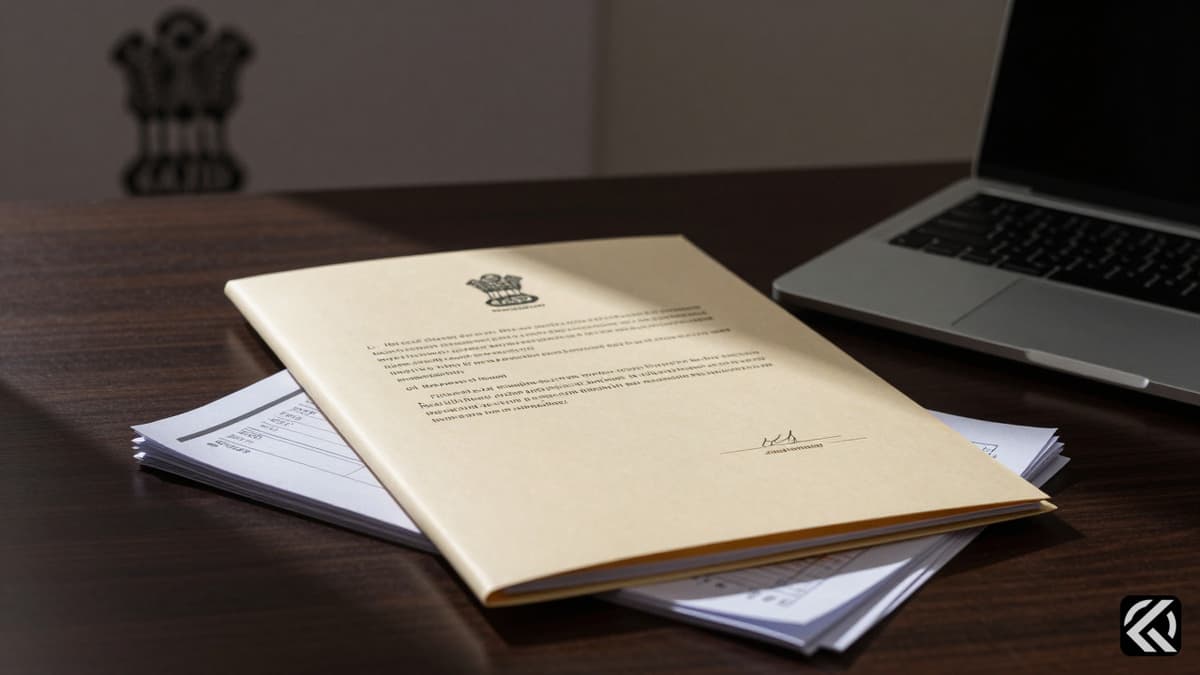
The Central Bureau of Investigation has arrested a Pune-based lecturer, Manisha Sanjay Havaldar, in connection with the NEET UG 2026 physics paper leak scandal that forced the exam's cancellation.
The Central Bureau of Investigation (CBI) has taken significant action in the wake of the major academic controversy surrounding the National Eligibility-cum-Entrance Test (Undergraduate). On Friday, the agency arrested Manisha Sanjay Havaldar, a Pune-based lecturer, in connection with the alleged leakage of the NEET UG 2026 physics paper. According to reports from the news agency PTI, Havaldar, who is employed at Seth Hiralal Saraf Prashala in Pune, has been identified by the CBI as a key alleged source of the leaked material. This arrest marks a critical development in the probe into the "examination mafia" that disrupted one of India’s most competitive medical admission exams.
The National Testing Agency (NTA) had previously cancelled the NEET UG 2026 exam, which was originally conducted on May 3 for medical admissions, following serious allegations of a paper leak. The cancellation was a drastic measure taken to maintain the integrity of the selection process for aspiring medical students across the country. The incident has sparked widespread outrage and concern among students, parents, and educational authorities, leading to an intensified investigation by central law enforcement agencies. The CBI has moved swiftly to identify and apprehend those responsible for compromising the confidentiality of the examination.
A spokesperson for the CBI confirmed the recent development, stating, “The CBI has identified another key accused who was the source for the leak of NEET-UG 2026 physics questions.” Havaldar, who was appointed as an expert by the National Testing Agency, allegedly had full access to the physics paper. The agency alleges that she shared specific questions with a co-accused named Manisha Mandhare in April, prior to the exam date. This alleged timeline suggests a premeditated effort to distribute the questions to beneficiaries before the test was administered, highlighting the sophisticated nature of the leak.
As part of the ongoing investigation, the CBI is meticulously analyzing seized evidence to build a comprehensive case against the accused. The agency has confiscated several critical items, including documents, laptops, bank records, and phones. These digital and financial footprints are being scrutinized to trace the network of individuals involved in the leak. The analysis of bank records, in particular, is expected to reveal financial transactions that may link the accused to the broader syndicate involved in the "examination mafia." This forensic approach indicates that the investigation is not limited to the individual arrest but aims to dismantle the entire network responsible for the breach of security.
The government has responded firmly to the irregularities detected in the conduct of NEET-UG 2026. Union Education Minister Dharmendra Pradhan addressed the media on Friday, stating that the government had been compelled to take “tough decisions” in response to the scandal. Pradhan emphasized the government's commitment to fairness, stressing that no deserving student should lose their rightful seat because of the actions of the "examination mafia." His remarks underscore the administration's determination to protect the interests of the candidates who had prepared diligently for the exam without resorting to malpractices.
In light of the cancellation, the National Testing Agency has scheduled a re-test for June 21. This decision provides a second opportunity for the affected students to appear for the examination. However, the government has assured the public that stringent measures have been put in place to prevent any recurrence of such incidents. Dharmendra Pradhan declared that the government was determined to ensure the re-examination remained “100 per cent error-free.” This pledge reflects the high stakes involved in medical admissions and the need for absolute transparency and security in the testing process.
The arrest of CBI suspects in this case highlights the seriousness with which the government is treating academic fraud. The identification of Havaldar as a source suggests that individuals with insider access to the examination materials were directly involved in the leak. This revelation adds a layer of complexity to the investigation, as it points to potential vulnerabilities in the NTA's security protocols for handling confidential exam papers. The agency's appointment of experts who can access sensitive materials must now be re-evaluated to prevent future breaches of trust.
The impact of the NEET UG 2026 paper leak extends beyond the immediate cancellation of the exam. It has raised serious questions about the reliability of the testing infrastructure and the efficacy of current security measures. Students who had secured their seats based on the initial results may face uncertainty, although the government's assurance of a fair re-test aims to mitigate this anxiety. The ongoing probe is expected to uncover more details about the network of brokers and facilitators who distribute leaked questions, leading to stricter penalties and enhanced security protocols for future examinations.
The involvement of a lecturer from Seth Hiralal Saraf Prashala also brings attention to the role of educational institutions in such scams. It raises concerns about the vetting process for individuals appointed as experts by the NTA and the oversight mechanisms in place to monitor their activities. The analysis of seized phones and laptops may reveal communication patterns between Havaldar and other co-accused, providing insights into the operational structure of the leak ring. This information could be crucial in identifying other participants who have yet to be apprehended.
As the investigation progresses, the CBI is likely to encounter further challenges in tracing the digital transactions and communications of the accused. The complexity of modern technology makes it easier for such syndicates to operate covertly, using encrypted apps and anonymous financial channels. However, the agency's forensic analysis of the seized evidence may help unravel these digital layers, leading to more arrests and a clearer picture of the leak's origin and distribution channels. The case serves as a stark reminder of the need for continuous vigilance and technological upgrades in the field of high-stakes examinations.
The arrest of the lecturer in the NEET UG 2026 paper leak case signals a shift toward stricter accountability in academic testing. The government's pledge for an error-free re-test will likely result in enhanced security measures, including multi-layered verification processes and real-time monitoring of exam centers. The investigation may also lead to legislative changes aimed at curbing the "examination mafia," imposing heavier penalties for those involved in leaking questions. For students, the re-test on June 21 offers a chance to restore confidence in the system, but the incident will undoubtedly trigger a long-term review of the NTA's operational integrity to prevent future breaches.
Jun 11, 2026 17:21 UTC
Bangladesh Opposition Mobilizes Against India-Bangladesh Border Push-Ins and BSF Killings
Join 50,000+ readers getting the global briefing every morning.
No spam. Unsubscribe anytime.
Jun 11, 2026 17:40 UTC
Boelter Pleads Guilty in Minnesota Political Assassinations
Jun 11, 2026 17:21 UTC
Bangladesh Opposition Mobilizes Against India-Bangladesh Border Push-Ins and BSF Killings
Jun 11, 2026 17:21 UTC
John Healey Quits as UK Defence Secretary Over Funding Dispute
Jun 11, 2026 16:19 UTC
UK Defence Secretary John Healey Quits Over Funding Dispute


