Section
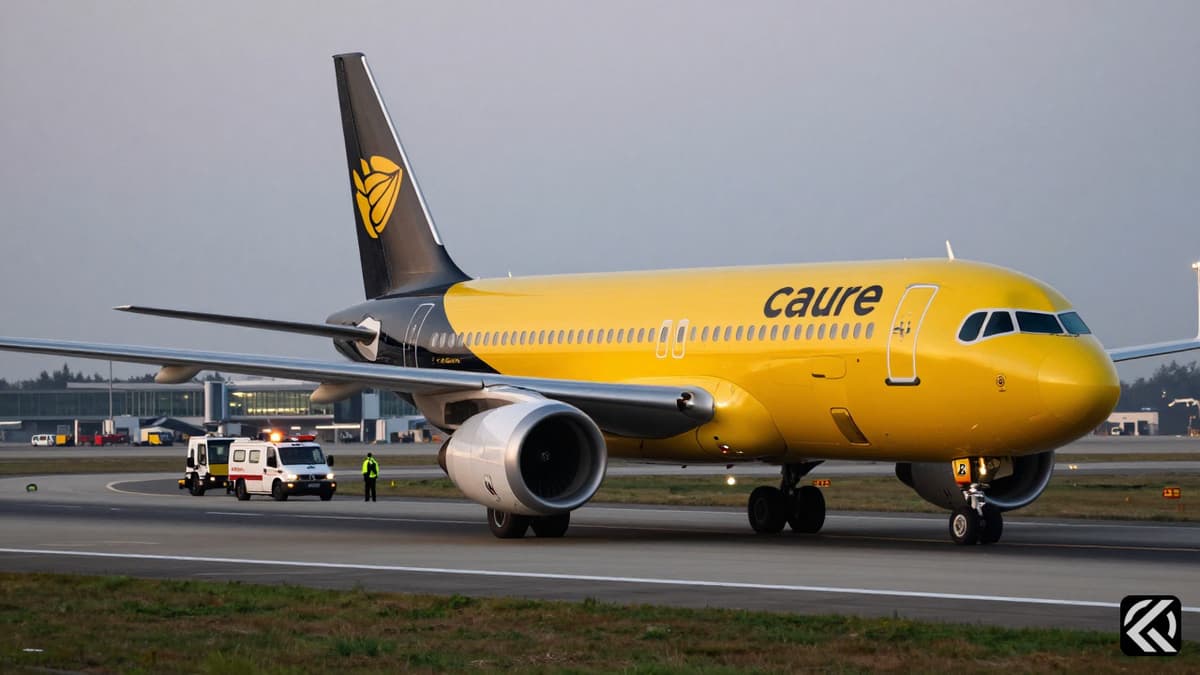
Initial Saudi investigations confirm a violent Flydubai cockpit fight where the co-pilot assaulted Captain Smit Machchhar, forcing an emergency landing in Tabuk.
Saudi Arabia’s Interior Ministry has released preliminary findings regarding the emergency landing of a Flydubai flight, stating that the pilot was assaulted by his co-pilot. This revelation marks the first official comment from the Saudi government on the incident involving flight FZ1073.
The ministry confirmed on Thursday that an initial investigation was conducted by Saudi authorities, with participation from a security team from the United Arab Emirates. The probe focused on the flight from Dubai to Tel Aviv, which encountered a violent incident that necessitated a diversion. The co-pilot’s actions resulted in various injuries to both crew members, leading to the emergency situation.
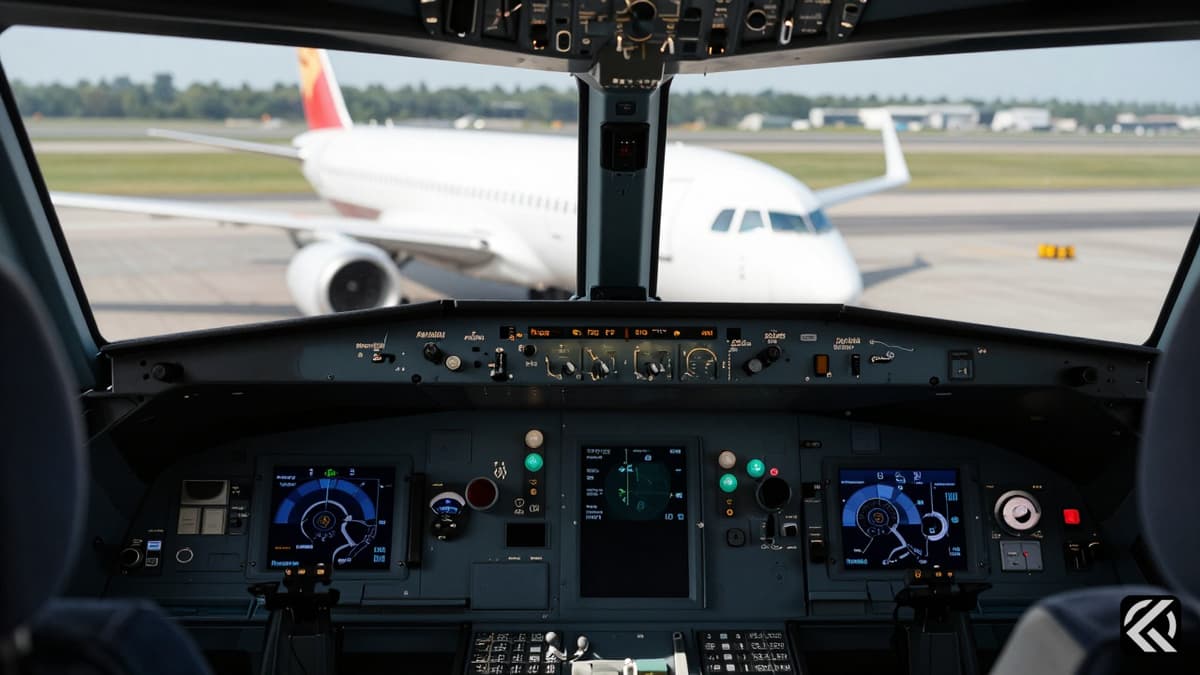
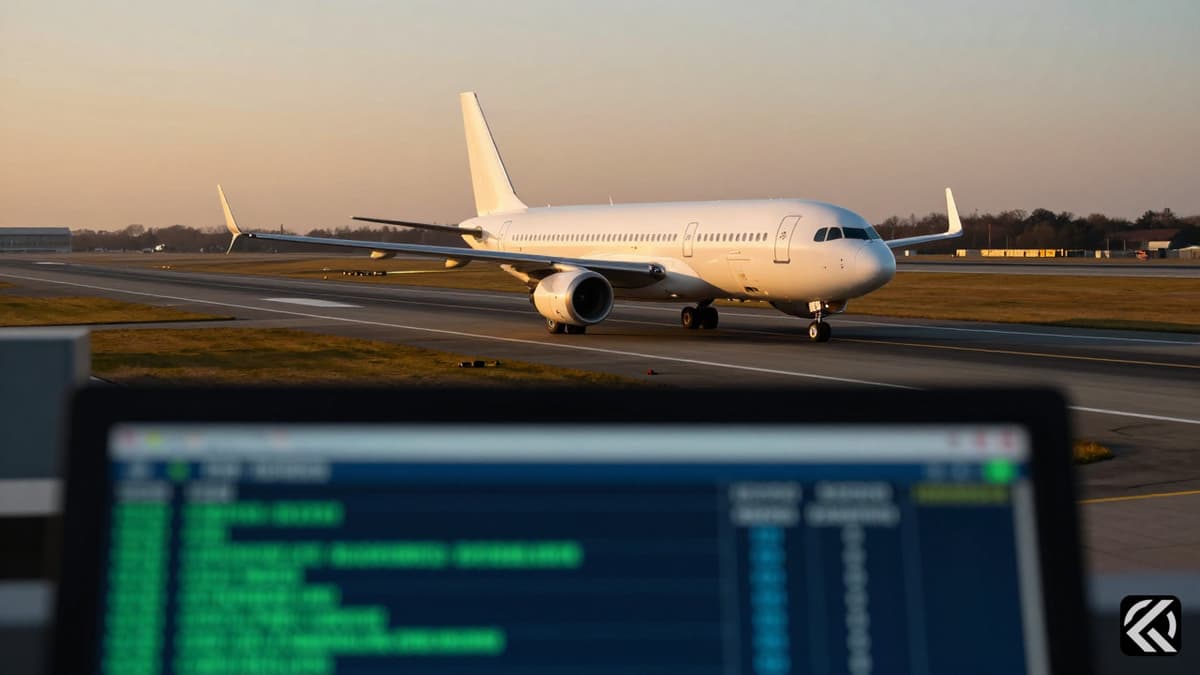
It was the first time the Saudi government publicly addressed the severity of the Flydubai cockpit fight, providing clarity on the physical altercation that occurred in the flight deck. Flydubai had initially reported an altercation and stated that crew members secured the plane and diverted it safely. The aircraft arrived safely at 9:45am local time at Prince Sultan bin Abdulaziz international airport in northwestern Saudi Arabia.
The plane carried 174 passengers and eight crew members at the time of landing. The Saudi Interior Ministry noted that all necessary care was provided to everyone on board. At approximately 5:40pm, all passengers continued their journey on a replacement Flydubai aircraft. The remaining crew members, excluding the captain and co-pilot, returned to Dubai on another flight.
The captain and co-pilot were taken to a hospital in Tabuk for treatment based on an assessment of their condition. After their condition improved and they were medically cleared, the two pilots left Saudi Arabia for Abu Dhabi on Thursday morning. They were accompanied by the Emirati security team, highlighting the coordinated international response to the crisis.
Saudi Arabia emphasized that it handles emergencies in line with its international and humanitarian obligations. The ministry cited the readiness of its aviation and security systems to respond to exceptional cases, demonstrating the effectiveness of cross-border cooperation in aviation security incidents.
Saudi Arabia’s National Transport Safety Center stated that its investigation team had begun work on the incident. The team is coordinating with authorities to determine the circumstances and collect relevant evidence to build a comprehensive case file.
Earlier on Thursday, the UAE chief prosecutor, Attorney General Hamad Saif Al Shamsi, launched a separate investigation into the cockpit fight. Investigators are examining the circumstances and motives behind the incident. They are specifically looking into whether it was linked to any terrorist activity or intent, or if it involved prior planning or direction.
The captain of flight FZ1073 is an Indian national, Smit Machchhar, who was seriously injured during the altercation. Although the incident is still under investigation, his actions to apparently thwart a midair disaster have drawn praise from world leaders and those who knew him.
Machchhar was taken to the hospital in Tabuk in stable condition on Wednesday, according to the Indian Embassy in Riyadh. India’s Ministry of External Affairs confirmed that Machchhar was moved to Abu Dhabi for continued treatment on Thursday. India’s ambassador to the UAE paid a visit to the captain and his family was briefed on his recovery.
Indian Prime Minister Narendra Modi on Thursday called Machchhar a hero. In a statement posted on X, Modi wrote, “In the face of the gravest danger and despite being seriously injured, he showed immense courage and an unwavering resolve to protect the lives of others. His valor helped save hundreds of lives and avert a great tragedy.” This high-profile recognition underscores the gravity of the situation and the critical role the captain played in ensuring passenger safety.
The case has sparked global interest in aviation safety protocols. As investigations continue, the focus remains on the motives behind the Flydubai cockpit fight and the potential security implications for future flights. The involvement of multiple international agencies, including Saudi, UAE, and Indian authorities, indicates a rigorous approach to understanding the full scope of the event.
The rapid resolution of this crisis highlights the robust emergency response mechanisms in place for international aviation. The coordination between Saudi Arabia and the UAE allowed for the swift medical treatment of the crew and the safe continuation of passenger travel. The involvement of the UAE Attorney General suggests that potential criminal or terrorist motives are being thoroughly explored, adding a layer of security scrutiny to the incident.
As details emerge from the ongoing probes, the aviation industry will likely face increased pressure to review cockpit security protocols. The bravery of Smit Machchhar serves as a stark reminder of the risks pilots face. Future regulations may focus on enhanced training for handling violent incidents within the flight deck, ensuring that such crises can be managed with the same efficiency and heroism demonstrated this week. The incident has temporarily disrupted travel plans but has ultimately reinforced the resilience of international aviation safety networks.
Oct 6, 2026 02:48 UTC
Yemen Forces Recapture Mocha in Major Counteroffensive
Oct 6, 2026 00:07 UTC
Teen Loses Hand in French School Protest Clashes Amid Escalating Violence
Oct 5, 2026 22:36 UTC
UAE Shares FlyDubai Crew Data After Pilot Seize Control Attempt
Oct 5, 2026 22:00 UTC
US Withdraws Heavy Bombers From UK Base Amidst Rising Tensions With Iran
Oct 5, 2026 22:36 UTC
UAE Shares FlyDubai Crew Data After Pilot Seize Control Attempt