Section
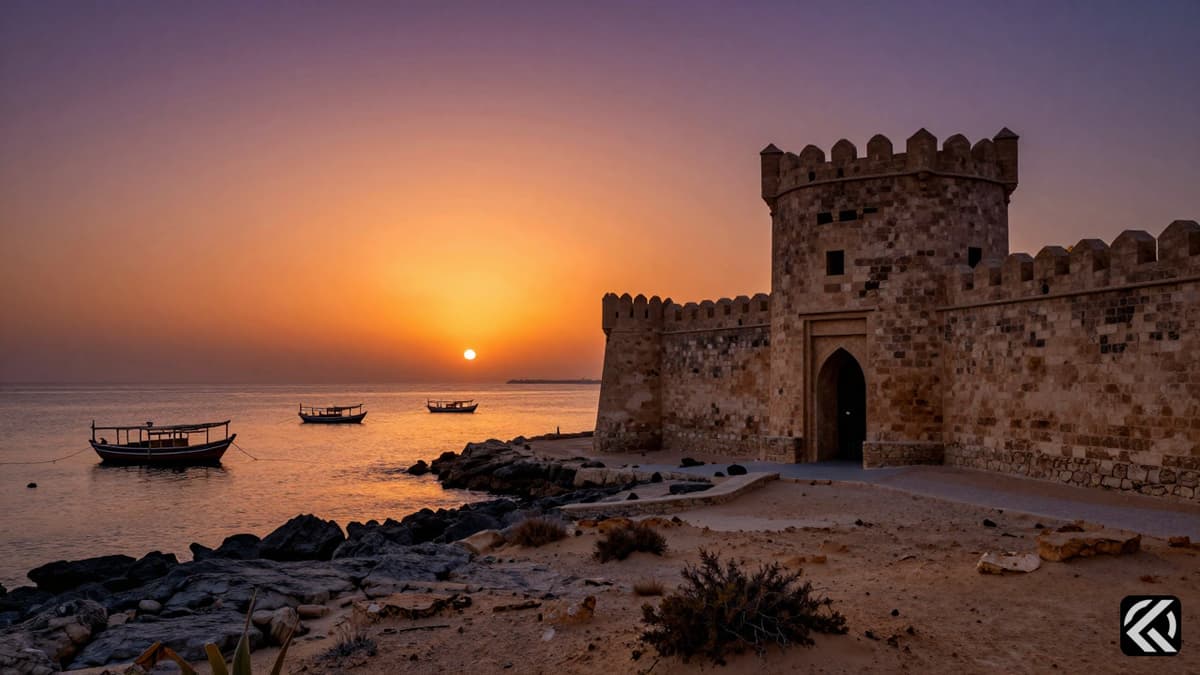
Yemeni troops have reclaimed the strategic port of Mocha from Houthi forces, marking a significant shift in the ongoing conflict as coalition air support intensifies.
Yemen government forces have successfully retaken the strategic port city of Mocha from the Houthis as they pursue a major counteroffensive aimed at ousting the Iran-aligned militia from control of a critical global energy route.
The internationally recognized government’s military confirmed on Monday that it had also reclaimed control of key positions near the Bab al-Mandeb Strait. This territorial gain is part of a broader effort to secure a vital chokepoint for global energy supplies. In addition to the coastal advances, the military announced the launch of a “strategic offensive” on Yemen’s capital, Sanaa, where the Houthis have maintained control since 2014.
According to a statement posted on social media, intense fighting occurred across several fronts near Mocha, resulting in numerous Houthi fighters being killed and wounded. Military sources confirmed that several Houthi combatants were captured, though specific casualty numbers were not disclosed. The conflict has intensified amid broader regional tensions, including the ongoing war between the United States and Israel against Iran, which has led to the closure of the Strait of Hormuz. This geopolitical backdrop has spurred the Houthis to relaunch hostilities against the Saudi-backed Yemeni government.
The rapid offensive to reclaim Mocha follows a Houthi surge in September, during which the group seized the western Taiz governorate city and surrounding areas near the Bab al-Mandeb Strait. Earlier on Monday, government forces declared control over Dhubab district and other strategic locations. A Yemeni army source told the government-aligned news agency Saba that forces from the Homeland Shield Forces and the Giants Brigades, supported by air cover, advanced and seized important positions, effectively cutting off supply lines and roads leading to the strait.
The Houthis, also known as Ansar Allah, reportedly suffered significant losses in these clashes, with military equipment destroyed or damaged. Government forces are currently securing the liberated areas to cut off supply routes to the militia. Shortly after these ground updates, the Saudi-led coalition announced it had initiated an air campaign against Houthi targets. Coalition spokesman Major General Turki al-Maliki stated that 100 fighter jets were providing air protection for the Bab el-Mandeb Strait and had destroyed hundreds of Houthi targets. Al Jazeera noted that it could not independently verify these battlefield reports.
Yemen’s war, which began over a decade ago when the Houthis seized Sanaa, forced the government to retreat to Aden. The conflict escalated significantly after a fragile truce collapsed in July. Although anti-Houthi forces have stabilized front lines since the mid-September Houthi advances, the situation remains volatile. Rashad al-Alimi, chairman of Yemen’s Presidential Leadership Council, recently announced military operations to retake remaining Houthi-held territory.
The battlefield developments coincide with high-level diplomatic engagements in the region. Pakistani Deputy Prime Minister Ishaq Dar, also serving as foreign minister, arrived in Saudi Arabia for meetings with Saudi and Turkish officials under the Mecca Joint Defence Agreement. Accompanied by Defence Minister Khawaja Asif and military chief Asim Munir, Dar discussed proposals for political engagement with the Houthis as an alternative to military action, following approaches from Tehran. The agreement, signed by Saudi Arabia, Turkiye, and Pakistan in August, stipulates that an attack on one member is considered an attack on all.
The recapture of Mocha by Yemeni government forces represents a significant tactical victory, though the humanitarian outlook remains dire. The announcement of expanded military operations threatens to displace tens of thousands more civilians, exacerbating existing hunger and crisis conditions. As Saudi Arabia hosts talks involving Pakistan and Turkey, the focus on collective deterrence suggests a prolonged strategic posture. The integration of political dialogue with military pressure indicates that while territorial control may shift, the underlying regional instability driven by Iran’s influence and global energy routes will likely persist, demanding sustained international diplomatic attention to prevent further escalation.
Oct 6, 2026 02:48 UTC
Yemen Forces Recapture Mocha in Major Counteroffensive
Oct 6, 2026 00:07 UTC
Teen Loses Hand in French School Protest Clashes Amid Escalating Violence
Oct 5, 2026 22:36 UTC
UAE Shares FlyDubai Crew Data After Pilot Seize Control Attempt
Oct 5, 2026 22:00 UTC
US Withdraws Heavy Bombers From UK Base Amidst Rising Tensions With Iran
Nov 5, 2026 20:16 UTC
Pia Dandiya Claims Landmark Florida Win in 2026 Midterms