Section
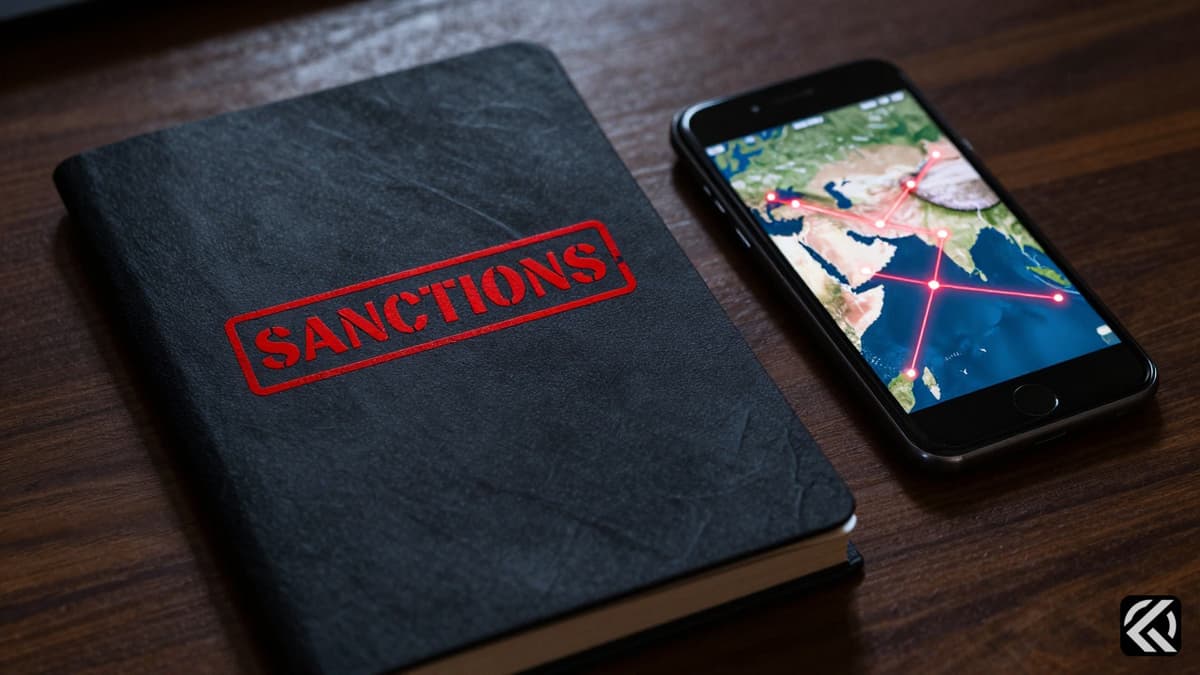
The U.S. Treasury has imposed fresh sanctions on entities in India and Turkey for facilitating Iran’s sanctioned oil and aviation sectors, signaling intensified pressure on Tehran’s illicit networks.
The U.S. Treasury Department has announced new sanctions against companies and individuals in India and Turkey for allegedly supporting Iran, signaling a continued crackdown on entities facilitating the Iranian government’s activities. This latest enforcement action underscores the administration's commitment to isolating Tehran economically, following a pattern of escalating pressure designed to curb its regional influence and military capabilities.
Treasury Secretary Scott Bessent emphasized the administration’s resolve, stating that the U.S. would continue to pursue anyone supporting the Iranian regime, regardless of whether the support comes by land, sea, or air. "We know where you are, and we will sanction those who continue supporting the Iranian regime," Bessent declared in a statement, highlighting the global reach of these enforcement efforts. The timing of these announcements comes shortly after the Democrats made significant gains in the U.S. midterm elections, reflecting voter anger over the Iran war and its impact on U.S. inflation rates.
At the center of the latest enforcement wave is a network led by Suniel Kumar Sharma, an India-based individual identified by the Treasury as the operator of a "vast criminal network." The sanctions target Sharma, his wife Jaspreet Preeti Shahid, two other Indian citizens heading their businesses, and nine separate entities connected to Sharma. According to the Treasury, this group established a sophisticated scheme to help sanctioned vessels evade international restrictions.
The network fraudulently claimed to represent countries such as Guyana, Eswatini, and Laos, issuing fake flags and certifications. To execute this, Sharma’s associates purchased web domains to create websites offering fraudulent flagging, seafarer training, and vessel classification services. By managing a network of India-based entities used to establish these fraudulent registries, they enabled vessels operating on behalf of the Iranian military and its proxies to bypass safety and environmental regulations.
These false flags allow vessels to operate without indemnity insurance, a move the Treasury warns could result in billions of dollars in damages to the economies of countries where these vessels operate in their territorial waters. The department noted that these schemes provided false certifications to vessels transporting Iranian petroleum, directly aiding the regime’s economic survival.
In a parallel enforcement action, the Treasury designated Turkey-based Fugo Ground Services Inc for its ongoing support of Iran’s aviation sector. The Office of Foreign Assets Control (OFAC) highlighted that this firm provided essential ground handling and other services to several U.S.-sanctioned Iranian airlines that continued to fly into Turkey. Specifically, the sanctioned carriers include Iran Air Tour, Saha Airlines, Taban Airlines, and Ata Airlines.
This designation tightens the squeeze on Iran’s ability to conduct air travel and maintain its aviation infrastructure, sectors that have long been targeted due to their dual-use potential and links to the regime’s financial network. The move is part of a broader strategy to disrupt the logistical support structures that keep Iran’s sanctioned industries operational despite global pressures.
Treasury officials have also issued a new alert to the industry, warning of the risks associated with dealing with potentially false-flagged vessels. This alert serves as a proactive measure to ensure that international shipping partners are aware of the deceptive practices employed by networks like Sharma’s, aiming to prevent accidental complicity in sanctions evasion.
These sanctions are a component of the Trump administration’s "Operation Economic Outcast," an initiative designed to cut off Iran’s ability to sell oil and fund its military operations, particularly in relation to the ongoing conflict involving the U.S. and Israel. The Treasury previously reported that its actions are decimating Iran’s economy, driving the rial to new lows and pushing domestic inflation rates to approximately 90%.
The reimposition of a blockade on Iranian ports on July 14 further escalated economic pressure following the breakdown of a memorandum of understanding between Washington and Tehran. By targeting both the maritime and aviation avenues of illicit support, the U.S. aims to isolate Iran financially and restrict its capacity to project power abroad.
The U.S. Treasury’s coordinated actions against Suniel Kumar Sharma and Fugo Ground Services represent a significant escalation in the effort to strangle Iran’s economic lifelines. By targeting the specific intermediaries who facilitate oil sales and aviation maintenance, the U.S. is attempting to close loopholes that have allowed Tehran to circumvent previous restrictions. Given the Treasury’s assessment that Iran’s economy is already suffering from inflation rates nearing 90% and currency devaluation, these new measures are likely to exacerbate domestic instability. If these sanctions hold, Iran may face increased difficulties in financing its military proxies and maintaining its aviation fleet, potentially forcing a reassessment of its regional strategies. However, the resilience of such illicit networks suggests that enforcement will remain a persistent global challenge, requiring continuous vigilance and international cooperation to prevent the rerouting of funds and services through alternative jurisdictions.
Oct 6, 2026 02:48 UTC
Yemen Forces Recapture Mocha in Major Counteroffensive
Oct 6, 2026 00:07 UTC
Teen Loses Hand in French School Protest Clashes Amid Escalating Violence
Oct 5, 2026 22:36 UTC
UAE Shares FlyDubai Crew Data After Pilot Seize Control Attempt
Oct 5, 2026 22:00 UTC
US Withdraws Heavy Bombers From UK Base Amidst Rising Tensions With Iran
Nov 5, 2026 20:16 UTC
Pia Dandiya Claims Landmark Florida Win in 2026 Midterms