Section
Investigations into the terrifying mid-air attack on an Israel-bound plane reveal a suspect with a history of radical views and international travels.
The incident involving flydubai flight FZ1073 continues to unfold as investigators piece together the motives behind a terrifying mid-air assault that nearly resulted in a catastrophic loss of life. The co-pilot who attacked Indian Captain Smit Machchhar, identified by multiple media outlets as Hamam al-Hammami, an Omani national, likely acted alone, according to reports published on Sunday, October 4, 2026. While his identity remains unconfirmed officially, the Wall Street Journal has reported that al-Hammami had previously been barred from flying in Oman due to concerns regarding his radical ideological views.
International investigators are currently working to determine the full scope of the motive, though early intelligence points toward an individual act rather than a coordinated terror plot. An Israeli official told CNN that information from the inquiry suggests the suspect operated independently. Another Israeli source emphasized that, at present, there is no known link to any organized group or foreign government. This understanding is currently shared by both the United Arab Emirates and Israel, which are jointly investigating the incident. Additionally, the Interior Ministry of Saudi Arabia, where the plane made an emergency landing, is conducting its own separate probes.
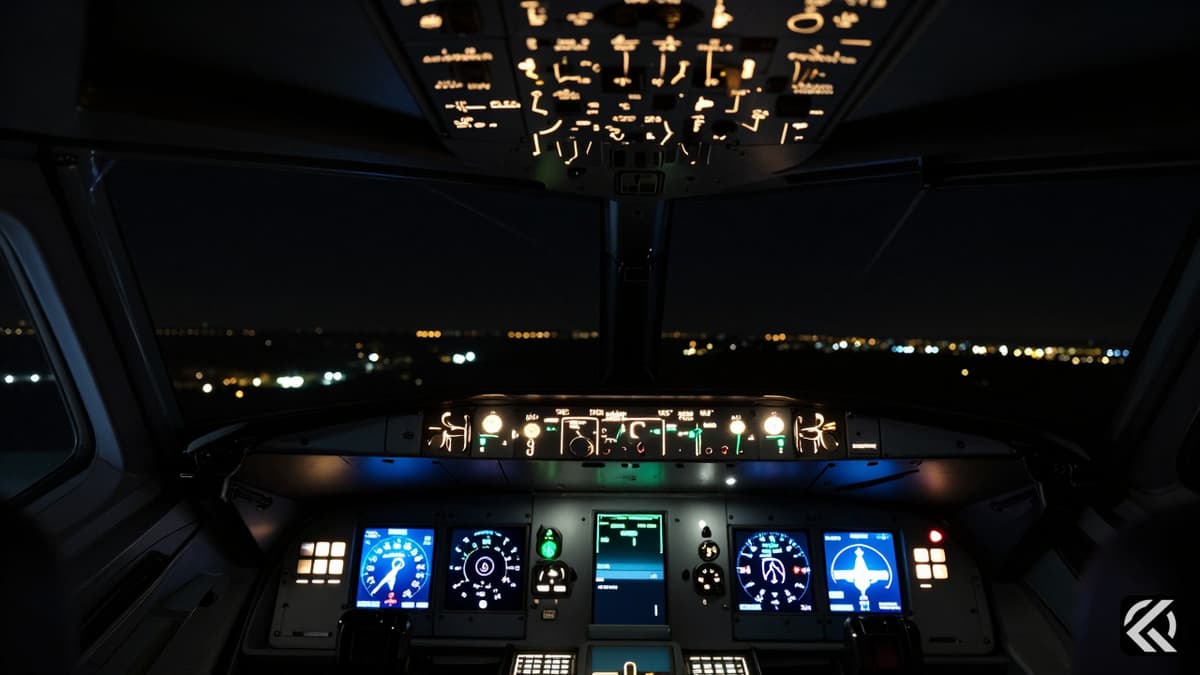
On Wednesday, flydubai flight FZ1073 narrowly avoided disaster during its journey from Dubai to Israel. The aircraft plummeted thousands of feet in a matter of minutes amid the attack on the captain. Despite being wounded, Captain Machchhar managed to unlock the cockpit door and signal his distress to passengers and crew. In a display of bravery, they rushed into the cockpit to regain control of the aircraft. The flight, carrying 174 passengers, transmitted emergency signals and underwent a rapid descent of more than 17,000 feet from an altitude of 34,000 feet.
CBS News reported that the alleged attempted hijacking was likely a lone-wolf attack, and the investigation remains in full swing with all avenues being explored. The United Arab Emirates, which is leading the investigation, stated on Saturday that its probe had revealed the co-pilot attempted to carry out a "terrorist act." This designation underscores the severity of the incident and the potential implications for aviation security protocols globally.
As the story develops, attention has turned to the suspect’s background and potential connections to various regions. The Australian Federal Police (AFP) is investigating al-Hammami’s links to Australia. Australian security agencies launched this probe after it emerged that al-Hammami spent approximately two years in the country as a student. Sources familiar with the case told Australian media that the co-pilot was issued a student visa in 2014. He studied in Australia between 2015 and 2017 before leaving the country.
His visa was cancelled in 2019, according to the ABC. The cancellation was not on character grounds but because he was no longer enrolled in a course and therefore no longer eligible for a student visa. This detail adds a layer of complexity to the investigation, suggesting that while he may have had a foothold in multiple countries, there is no confirmed evidence of organized support networks at this stage. The UAE’s assertion that the act was "terrorist" in nature, however, highlights the ideological underpinnings of the suspect’s actions, aligning with previous reports of his radical views in Oman.
The coordinated efforts by the UAE, Israel, Saudi Arabia, and Australia highlight the global significance of this event. The UAE’s leadership of the investigation indicates a strong emphasis on establishing the legal and operational parameters of the incident. As authorities continue to examine al-Hammami’s travel history and ideological profile, the aviation industry faces heightened scrutiny regarding passenger screening and cockpit security. The fact that a co-pilot was able to launch such a severe assault suggests potential vulnerabilities in crew management and psychological evaluation processes. Future policies may likely focus on more rigorous monitoring of crew mental health and ideological alignment, particularly for pilots traveling across borders with varying security standards. The outcome of these multinational inquiries will likely redefine international aviation security frameworks, ensuring that lone-wolf threats are detected and neutralized before they can impact flight safety on a large scale.
Oct 6, 2026 02:48 UTC
Yemen Forces Recapture Mocha in Major Counteroffensive
Oct 6, 2026 00:07 UTC
Teen Loses Hand in French School Protest Clashes Amid Escalating Violence
Oct 5, 2026 22:36 UTC
UAE Shares FlyDubai Crew Data After Pilot Seize Control Attempt
Oct 5, 2026 22:00 UTC
US Withdraws Heavy Bombers From UK Base Amidst Rising Tensions With Iran
Nov 5, 2026 20:16 UTC
Pia Dandiya Claims Landmark Florida Win in 2026 Midterms