Section
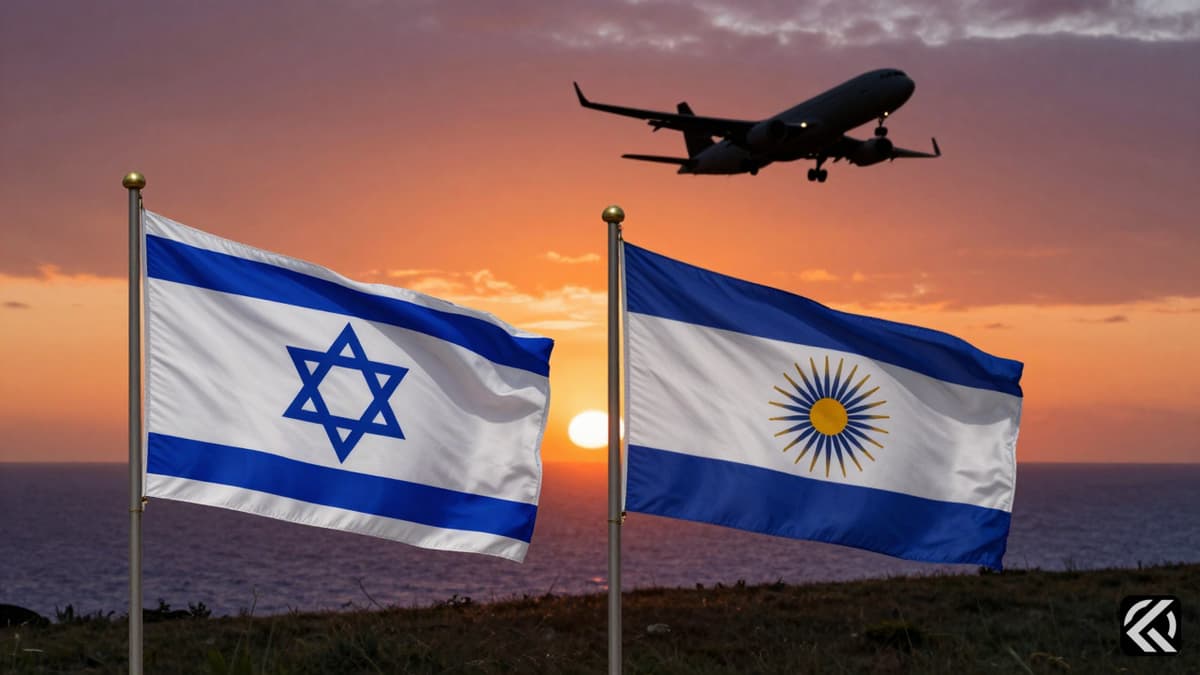
Israel honors the Indian pilot who survived a cockpit assault, inviting him to join Prime Minister Modi in a historic national ceremony.
Israel Prime Minister Benjamin Netanyahu on Saturday, October 3, 2026, formally invited the Indian captain of a Tel Aviv-bound flydubai flight to Israel as a guest of honor. This invitation follows the captain's dramatic account of how he saved the plane after being attacked by his co-pilot. The gesture marks a significant diplomatic and humanitarian recognition of the pilot's bravery during the crisis.
Mr. Netanyahu expressed his desire for Captain Smit Machchhar to join Prime Minister Narendra Modi, one of Israel’s key international partners, to light a flame at a national ceremony for Israel’s Independence Day next May. The Prime Minister noted that this prestigious role is usually reserved exclusively for Israeli citizens, highlighting the exceptional nature of the honor bestowed upon Machchhar.
In a video released by his office, Netanyahu described the pilot in a telephone conversation while the captain was hospitalized. “You are a true hero of the brave peoples of India and Israel and you are a hero of the entire world,” Netanyahu stated, emphasizing the global significance of Machchhar’s actions.
UAE investigators have provided crucial details regarding the incident, confirming that the co-pilot planned the “terrorist act” by attacking Mr. Machchhar with an axe. The attack occurred during a flight, creating a dire situation that required immediate and extraordinary resolution from the captain.
When asked to describe how the attack unfolded, Mr. Machchhar explained that the co-pilot had requested time to pray, adhering to the Muslim practice of praying five times a day. Machchhar noted that while prayer is not out of the ordinary, he respected the moment by looking forward and not at the back of the cockpit.
However, the peaceful interlude ended abruptly. “Suddenly after I think I would say about four to five minutes, there was a big blow to the back of my head,” Machchhar recounted. His initial reaction was concern over potential catastrophic damage to the aircraft, believing something was mechanically wrong.
The situation escalated rapidly as additional blows followed. “But then after that the blows kept coming one after the other. That’s when I realised that it’s not the aircraft, it’s the other guy who was in the cockpit with me,” he clarified, identifying the attacker as his colleague.
Despite injuries that left his memory of the event not entirely clear, Mr. Machchhar described his desperate attempt to regain control of the situation. He managed to pull open the cockpit door but noted that his attacker shut it back closed, trapping him out.
With no other option, Machchhar engaged in a final struggle. “I had that one last fight left in me,” he explained, acknowledging that he faced certain death if he did not succeed. He pushed with all his remaining strength, focusing entirely on opening the door.
“Just went for the door and opened the door and thankfully people were waiting,” he said. The timely assistance of others aboard the aircraft allowed for the resolution of the crisis, preventing further tragedy.
The recognition of Captain Smit Machchhar’s actions extends beyond a personal tribute; it serves as a testament to resilience and cross-border solidarity. By inviting him to participate in Israel’s Independence Day ceremonies alongside Prime Minister Narendra Modi, the Israeli government is highlighting the strong bonds between India and Israel. This event is not merely about aviation safety but also about acknowledging individual heroism in the face of terrorism.
The involvement of UAE investigators adds an international dimension to the case, underscoring the collaborative efforts in addressing such security breaches. The confirmation that the co-pilot planned the attack with an axe reveals a premeditated attempt to hijack or destabilize the flight, a serious criminal act that was thwarted by Machchhar’s quick thinking and physical endurance.
The narrative of the pilot praying while being attacked adds a layer of complexity to the incident, illustrating the suddenness of the violence against a routine religious practice. Machchhar’s description of the blows and his subsequent realization that the threat was human rather than mechanical provides insight into the psychological shock experienced during such an event.
The invitation to light the flame is a symbolic act of inclusion. Traditionally reserved for citizens, offering this honor to a foreign national signals a break from protocol to acknowledge a universal value: the preservation of life against unlawful violence. It reinforces the idea that heroes are recognized regardless of nationality, especially when their actions protect not just their passengers but the broader principles of peace and order.
The aftermath of this incident is expected to influence both diplomatic relations and aviation protocols. The close cooperation between Israeli and Indian leadership, evidenced by the joint invitation, suggests strengthened bilateral ties in the aftermath of the crisis. This event may lead to increased cultural and security exchanges between the two nations, further cementing their partnership.
In the aviation sector, the detailed account of the flydubai axe attack will likely prompt reviews of cockpit security measures. While the pilot managed to overcome the attacker, the incident highlights the vulnerability of cockpit doors to physical breaches. Airlines may enhance door mechanisms or introduce new protocols for pilot interactions during prayer or rest periods to prevent similar scenarios.
The recognition of Captain Smit Machchhar also sets a precedent for how heroism is acknowledged in international incidents. It emphasizes the importance of public acknowledgment of civilian bravery in high-stakes situations. As the Independence Day ceremony approaches, the global focus will remain on the intersection of individual courage and state-level diplomacy, showcasing how shared values can transcend geopolitical boundaries. The long-term impact will likely include more robust international frameworks for handling in-flight threats and greater emphasis on cross-cultural solidarity in times of crisis.
Oct 6, 2026 02:48 UTC
Yemen Forces Recapture Mocha in Major Counteroffensive
Oct 6, 2026 00:07 UTC
Teen Loses Hand in French School Protest Clashes Amid Escalating Violence
Oct 5, 2026 22:36 UTC
UAE Shares FlyDubai Crew Data After Pilot Seize Control Attempt
Oct 5, 2026 22:00 UTC
US Withdraws Heavy Bombers From UK Base Amidst Rising Tensions With Iran
Nov 5, 2026 20:16 UTC
Pia Dandiya Claims Landmark Florida Win in 2026 Midterms