Section
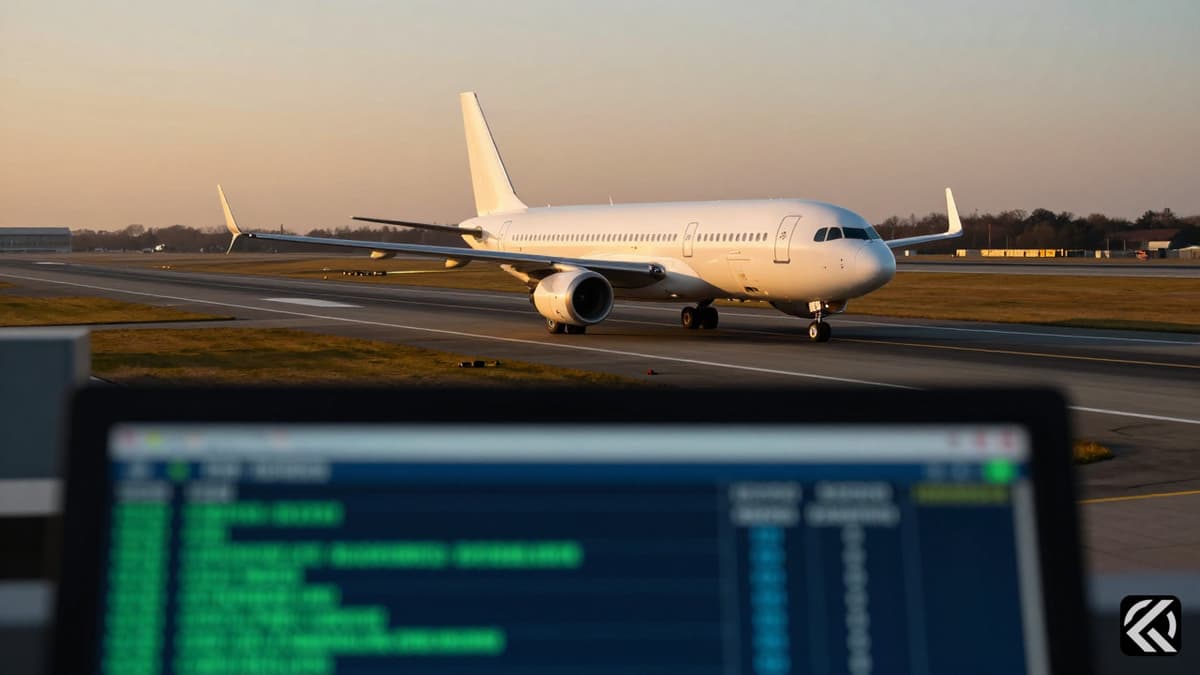
How did an Omani national barred for extremist views become a Flydubai pilot? Investigators probe security gaps after the incident sparks regional alarm.
The incident aboard Flight FZ1073 has ignited a fierce debate regarding how Hamam al-Hammami was permitted to operate a flight to Tel Aviv despite prior security red flags. The co-pilot, an Omani national, is accused of attacking his captain with an emergency axe and attempting to seize control of the aircraft. This brazen act has forced both the United Arab Emirates and Israel to scrutinize the efficacy of their respective screening processes.
The United Arab Emirates has officially described the September 30 incident as an attempted "terrorist" operation. Investigators are currently working to establish the exact motive and determine if any external parties were connected to the attack. The event has triggered urgent questions about pilot vetting procedures and the broader implications for aviation security in the region.
So, how did this individual pass the necessary checks? That question remains central to the ongoing investigation. Sources speaking to the AP news agency revealed that al-Hammami had previously been barred from flying in Oman. This restriction was due to concerns that he had adopted "extremist" views. Following this bar, he was moved to an administrative role at Oman Air.
Despite these prior issues, he was subsequently hired by Flydubai. A Gulf diplomat told AP that al-Hammami underwent standard security checks before his hiring. However, the extent of his vetting remains unclear. CNN reported that a LinkedIn profile bearing his name indicated he spent seven years at Oman Air before leaving in February 2025. The profile also stated he joined Royal Air Maroc in June 2025 and left in January of this year.
It remains unknown what those alleged views were or whether Oman informed other countries or airlines about its concerns. This lack of international communication highlights a potential flaw in the system. If one country bars a pilot for security reasons, that information must be shared globally to prevent similar hires elsewhere.
Background checks for commercial pilots vary significantly by airline and country. There is no single global standard governing this process, according to an airline pilot and instructor who spoke to Al Jazeera. Captains at international airlines are generally required to obtain aviation medical certification from the regulator in the country where they are licensed to fly. In the UAE, this is overseen by the General Civil Aviation Authority (GCAA).
Some airlines require prospective pilots to provide police clearance certificates from their country of residence as part of pre-employment screening. One type of check is a Class 1 medical assessment, which examines vision, hearing, cardiovascular health, and neurological conditions. These checks look for issues that could cause sudden incapacitation.
When it comes to security checks, aviation rules require background checks for personnel with unescorted access to security-restricted areas. Psychological assessments, drug testing, and other evaluations may also be required depending on the jurisdiction. However, these measures do not always catch individuals with specific ideological concerns or past administrative bans.
Israel has some of the world’s toughest aviation security measures. Questions have arisen over how the alleged attacker was allowed to operate a flight to Israel, especially since Oman has no diplomatic relations with Israel. According to Haaretz, Israeli authorities received the crew and passenger lists before departure. A 2023 law requires airlines to provide this information up to 48 hours before a flight.
The Israel Tax Authority confirmed to Haaretz that it received the lists for the Flydubai flight. This information is supposed to be available to Israeli security bodies, including the Mossad, police, and Shin Bet. These agencies are tasked with identifying individuals who may pose a security risk.
According to security sources, the Transportation Ministry’s Security Department and the Mossad are responsible for checking foreign flight crews. They issue alerts if concerns arise. However, sources told Haaretz that while the Transportation Ministry holds responsibility "on paper," it lacks its own intelligence capacity. This gap may explain how a known risk was overlooked.
Israeli Prime Minister Benjamin Netanyahu stated that Israel has longstanding arrangements with foreign airlines to prevent pilots from countries without diplomatic relations from flying there. Netanyahu described the incident as a "loophole" and announced that Israel will strengthen its checks.
The UAE has not yet publicly established a motive or announced whether investigators believe al-Hammami acted alone. UAE presidential adviser Anwar Gargash said the attack is a warning that the region’s fight against extremism is not over. He emphasized the importance of no tolerance for extremism and confronting hatred.
The revelation that an individual with a history of alleged extremist views was cleared to fly underscores critical vulnerabilities in the current framework. While standard medical and police checks are in place, the lack of a unified global database for pilot disqualifications allows such oversights to occur. As both the UAE and Israel move to strengthen their checks, the aviation industry faces pressure to implement more robust, cross-border vetting systems. This incident will likely lead to stricter international cooperation regarding the sharing of security intelligence for flight crew members, ensuring that past administrative bars or ideological concerns are no longer easily bypassed during hiring processes.
Oct 6, 2026 02:48 UTC
Yemen Forces Recapture Mocha in Major Counteroffensive
Oct 6, 2026 00:07 UTC
Teen Loses Hand in French School Protest Clashes Amid Escalating Violence
Oct 5, 2026 22:36 UTC
UAE Shares FlyDubai Crew Data After Pilot Seize Control Attempt
Oct 5, 2026 22:00 UTC
US Withdraws Heavy Bombers From UK Base Amidst Rising Tensions With Iran
Oct 6, 2026 06:46 UTC
Historic Pentagon Firing Squad Execution for Former US Army Major Hasan