Section
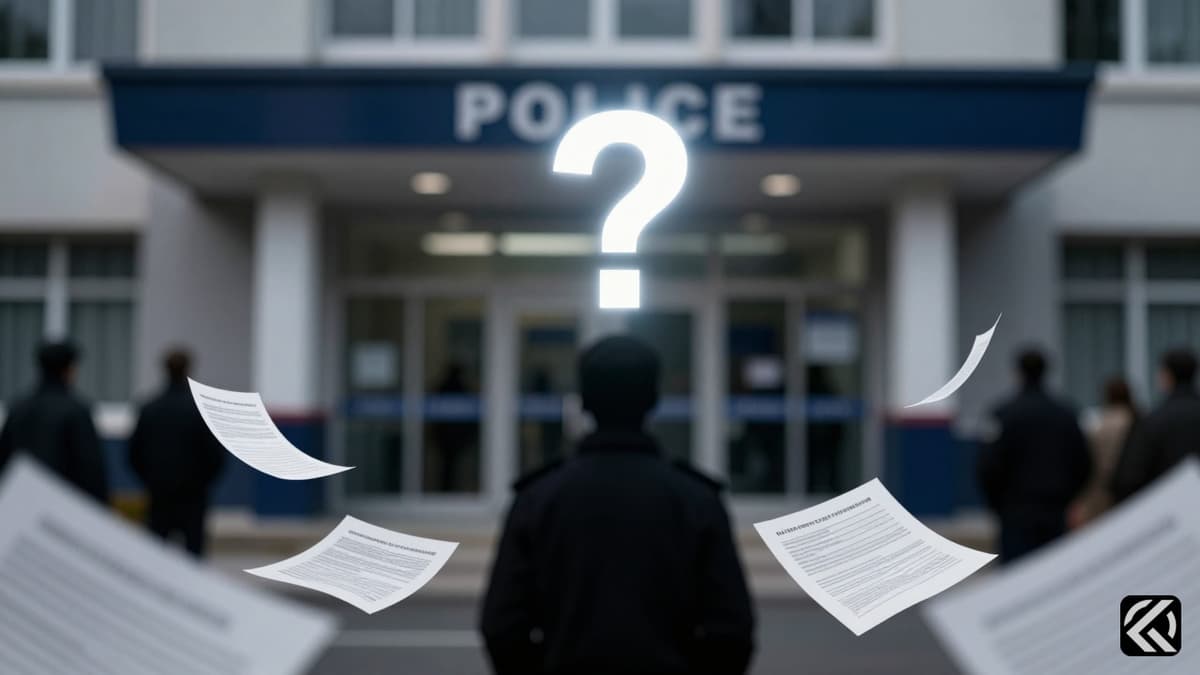
Rahul Gandhi accuses Delhi Police of silencing women journalists during recent protests, calling for transparency and immediate justice for alleged mistreatment.
On Monday, Congress leader Rahul Gandhi launched a scathing critique of the Delhi Police, accusing the force of systematically mistreating women protesters and journalists during recent demonstrations in the national capital. His accusations follow allegations from three women who identified themselves as journalists, claiming they were manhandled and sexually harassed by police personnel while in detention. In a post on the social media platform X, Gandhi characterized the behavior as an attempt to "silence any woman who dares to ask questions," highlighting a pattern of intimidation that he believes is directed at those seeking accountability.
The controversy stems from events that occurred on October 3, when a protest was held near Jantar Mantar against the Special Intensive Revision (SIR) of electoral rolls and Chief Election Commissioner Gyanesh Kumar. According to the Delhi Police, the demonstration involved members of the All India Students' Association (AISA) and other parties who refused to vacate the site despite the imposition of Section 163 of the Bharatiya Nagarik Suraksha Sanhita. Deputy Commissioner of Police Neha Yadav stated that protesters were warned to leave citing this legal provision, but upon their refusal, they were detained. During this process, three women who identified as journalists lodged a complaint alleging that Delhi Police officers and staff had mistreated them while they were in custody.
Yadav confirmed that the complaints had been formally registered and that medical examinations had been conducted on the alleged victims. The matter has been referred to the Crime Branch for further investigation. "Around 6 PM, three women, who identified themselves as journalists, lodged a complaint alleging manhandling by Delhi Police officers and staff during their detention," Yadav said. She further requested anyone possessing relevant footage to share it with the Crime Branch, acknowledging the seriousness of the allegations which also included claims of sexual harassment against police personnel.
Rahul Gandhi, however, expressed deep skepticism regarding the institutional response, pointing to historical precedents of mistreatment. He referenced previous accounts given by Shaheen and Nafisa, who had recounted experiences of violence and rudeness inside the Saket police station earlier in the year. Gandhi emphasized the irony of women seeking protection in a station where they are allegedly threatened by those entrusted with their safety. "Think about it-inside the station, the very place where women go to file complaints. Those entrusted with the responsibility of protecting women are now the ones posing a threat to them," he wrote.
The political leader did not stop at general criticism; he issued specific demands for transparency and justice. Gandhi called for the immediate public release of all CCTV footage from the Saket police station, arguing that such evidence is crucial for verifying the claims made by the victims. He also demanded that immediate action be taken against the police officers accused of misconduct. "Shaheen, Nafisa, and all those who have faced violence and rudeness from the Delhi Police must get justice," Gandhi asserted, directly challenging Home Minister Amit Shah. "Mr Amit Shah-why are you and your police so afraid of women?" His comments highlight a growing tension between political leadership and law enforcement agencies regarding the treatment of women during civil unrest.
The incident at the Jantar Mantar protest has sparked significant public interest, with thousands of users engaging in online polls and discussions about the necessity of releasing police body cam or CCTV footage for transparency. The Delhi Police maintains that their actions were lawful, citing the need to maintain order under the BNSS. However, the allegations of sexual harassment and manhandling add a severe dimension to the narrative, shifting the focus from political dissent to potential criminal misconduct by state actors. The police have registered at least three FIRs in connection with the mass protest, with two filed at Parliament Street police station and one at Connaught Place police station, indicating a broader crackdown on the demonstrators.
Prominent figures have also been drawn into the conflict. AISA president Neha Bora and senior advocates Prashant Bhushan and Kapil Sibal were among those who attempted to cross police barricades near Jantar Mantar, according to police accounts. The involvement of such high-profile legal and political figures suggests that the protest has evolved into a broader contest over civil liberties and the rule of law in the capital. The Delhi Police’s insistence on the legality of their detentions contrasts sharply with the narrative presented by Gandhi and the victims, who portray the events as a deliberate effort to suppress female voices and obscure misconduct.
As the Crime Branch investigates the allegations, the pressure on the Delhi Police to provide clear and verifiable evidence is mounting. The demand for public release of CCTV footage is not merely a call for transparency but a test of the institution's willingness to hold its own members accountable. If the footage supports the allegations, it could lead to significant disciplinary and legal consequences for the officers involved. Conversely, if the footage contradicts the claims, it would reinforce the police's stance on law and order. The ambiguity of the situation, with conflicting narratives and a lack of publicly available visual evidence, fuels public skepticism and political debate.
The allegations of mistreatment against women journalists and protesters at the Jantar Mantar protest present a critical challenge for the Delhi Police's public image and legal standing. With complaints registered and medical exams conducted, the Crime Branch's investigation will determine the validity of the sexual harassment and manhandling claims. The demand by Rahul Gandhi and other civil society leaders for the public release of CCTV footage underscores a growing expectation for transparency in law enforcement operations. If the footage reveals misconduct, it could lead to widespread calls for structural reforms within the force and heightened scrutiny of police conduct during protests. Conversely, the dismissal of these claims could embolden stricter protest management tactics. The outcome of this probe will likely influence public trust in the capital's law enforcement agencies and shape the discourse on women's safety and political expression in India for months to come.
Oct 6, 2026 02:48 UTC
Yemen Forces Recapture Mocha in Major Counteroffensive
Oct 6, 2026 00:07 UTC
Teen Loses Hand in French School Protest Clashes Amid Escalating Violence
Oct 5, 2026 22:36 UTC
UAE Shares FlyDubai Crew Data After Pilot Seize Control Attempt
Oct 5, 2026 22:00 UTC
US Withdraws Heavy Bombers From UK Base Amidst Rising Tensions With Iran
Nov 5, 2026 20:16 UTC
Pia Dandiya Claims Landmark Florida Win in 2026 Midterms