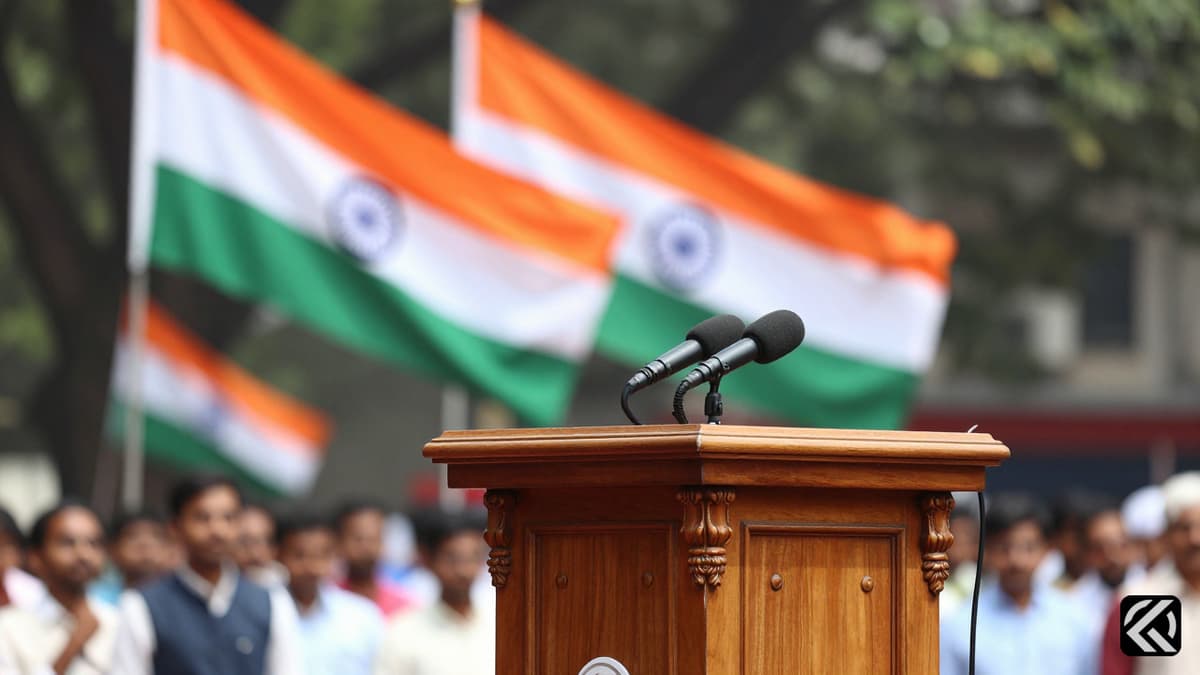
Union Home Minister Amit Shah’s arrival marks a pivotal moment as the BJP prepares to form its first government in West Bengal after ending a 15-year rule.
On Friday, May 8, 2026, Union Home Minister Amit Shah arrived in Kolkata, marking the beginning of a new political era for West Bengal. His presence underscores the significance of the BJP's recent legislative victory.
Shah landed at the Netaji Subhas Chandra Bose International Airport around 11:10 am. He was accompanied by BJP president Samik Bhattacharya and senior party leaders, including Suvendu Adhikari. This group proceeded directly to a historically significant location for the initial phase of their arrival.
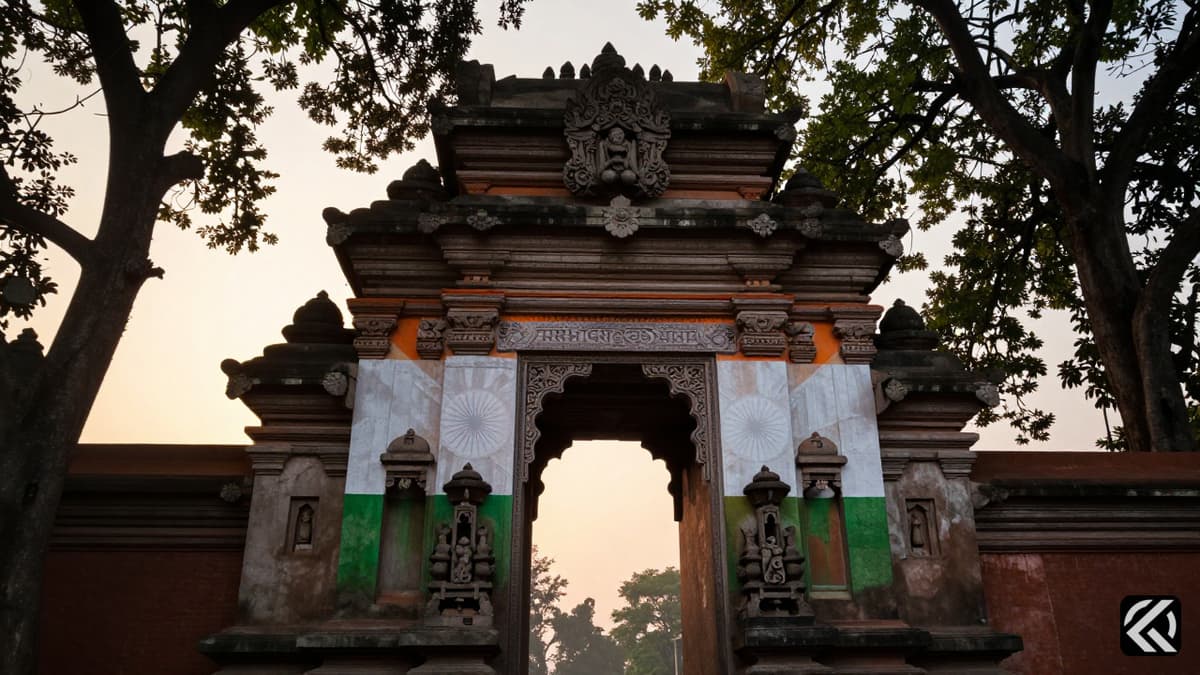
The delegation visited the Dakshineswar Kali Temple, where Shah offered prayers at the shrine. This stop was not merely ceremonial but symbolic, linking the party’s historic roots in the state with its current political resurgence. Following the visit, the focus shifted to the formal political processes required to establish the new administration.
The primary objective of Shah’s visit is to attend the BJP’s legislature party meeting. During this session, the party will formally elect its leader, who will subsequently be sworn in as the Chief Minister. This meeting is a critical step in consolidating the party’s position after their decisive electoral win.
Suvendu Adhikari has emerged as the frontrunner to become the party’s first Chief Minister. His candidacy is strengthened by two significant electoral victories. First, he retained the Nandigram seat, where he had previously defeated Chief Minister Mamata Banerjee in 2021. Second, he recently wrested the Bhabanipur constituency from the Trinamool Congress. Bhabanipur has long been regarded as the "pocket borough" of Mamata Banerjee, making this win particularly symbolic of the shifting political landscape.
The BJP’s performance in the recent Assembly elections was historic. It ended the Trinamool Congress’s 15-year rule in West Bengal. This outcome dealt a major setback to Mamata Banerjee’s political career, which had been dominated by her leadership of the regional party. The victory is described as not just electoral but also an ideological success for the party.
For decades, West Bengal was considered an "unfinished project" for the Bharatiya Janata Party. The party’s founder, Syama Prasad Mookerjee, hailed from the state and played a significant role in setting the tone of Hindutva politics in pre-Independent India. The current victory marks a significant ideological shift, reshaping regional politics and ending the Trinamool Congress's long-standing power.
The political landscape prior to this election was complex. The Trinamool government had established a massive beneficiary network through schemes targeting women, workers, and youth. Additionally, the BJP was often portrayed as an "outsider" incompatible with Bengali culture. Questions regarding disenfranchisement through the Special Intensive Revision (SIR) of electoral rolls were major talking points. Despite these challenges, which were ostensibly favorable to the ruling party, the BJP achieved a thumping majority.
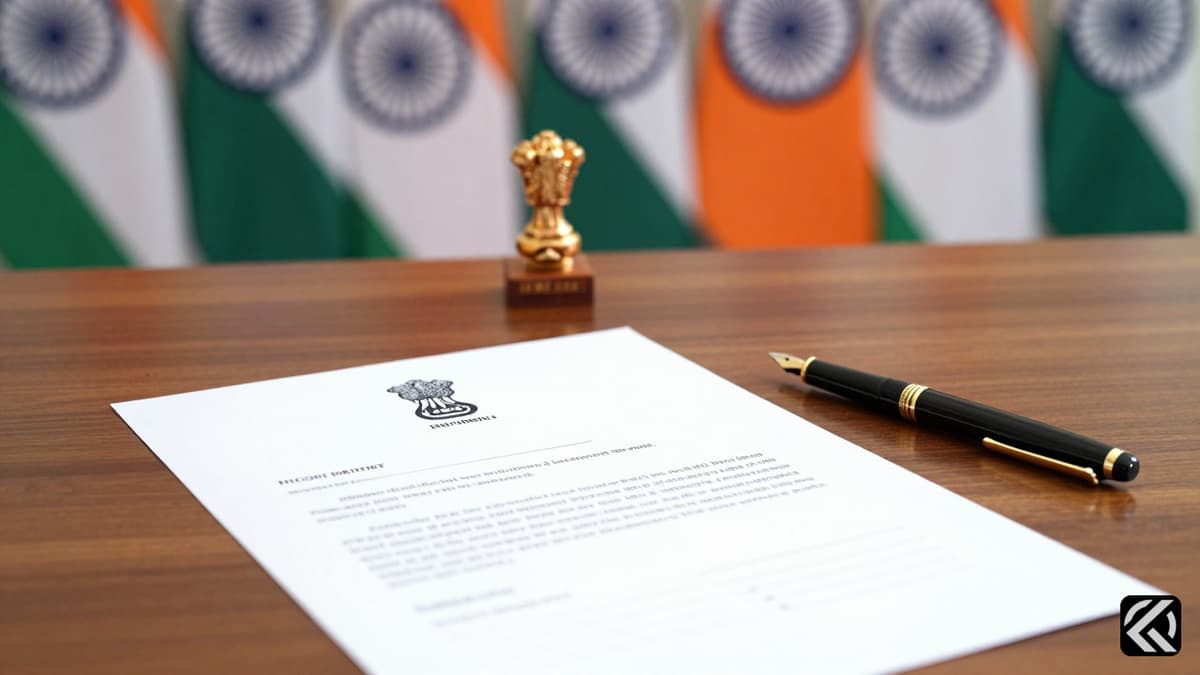
The path to this moment involved constitutional changes. The 17th West Bengal Legislative Assembly, sworn in after the 2021 elections, has now been dissolved. Governor C.D. Das had declared the dissolution of the Assembly, paving the way for the formation of the first BJP government. This development was significant because Mamata Banerjee had previously declared she would not resign as Chief Minister.
The current situation highlights a complete reversal of power. The dissolution of the previous assembly and the arrival of central leadership indicate a swift transition. The BJP is now moving from opposition to governance, utilizing the momentum from its electoral success.
The formation of the new government marks a definitive end to the Trinamool Congress era. With Suvendu Adhikari poised to take office, the state will likely see a shift in policy priorities towards the ideological framework of the BJP. The resolution of long-standing political questions, including those related to electoral rolls and regional identity, will be tested in the coming months. The dissolution of the old assembly confirms the finality of this political transition.
May 8, 2026 19:28 UTC
Iran Transforms Destroyed B1 Bridge Into Symbol of Resistance
Join 50,000+ readers getting the global briefing every morning.
No spam. Unsubscribe anytime.
May 9, 2026 01:12 UTC
Suvendu Adhikari to Assume Office as Bengal's 9th Chief Minister
May 8, 2026 21:27 UTC
Trump Orders Pentagon to Release First UFO Files
May 8, 2026 21:20 UTC
Trump Issues Veiled Nuclear Threat Amid US-Iran Tensions
May 8, 2026 19:28 UTC
Iran Transforms Destroyed B1 Bridge Into Symbol of Resistance