Section
Security fails at Varanasi airport as an Air India Express passenger's weapon discharges, injuring staff and triggering urgent police investigation into safety protocols.
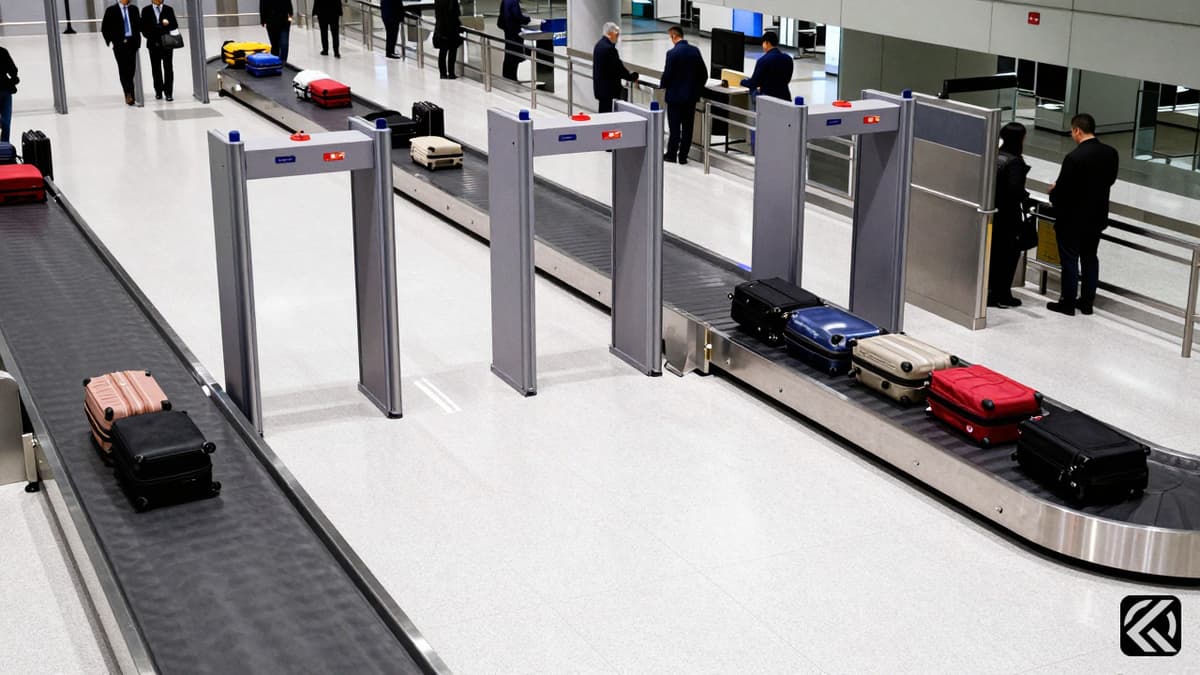
The incident unfolded at the Lal Bahadur Shastri International Airport in Varanasi, where a routine security check escalated into a dangerous situation involving firearms. On Sunday morning, a passenger holding a licensed pistol experienced a mechanical failure or handling error while the weapon was being inspected by security personnel. The accidental discharge resulted in immediate injuries to two individuals present in the vicinity of the security checkpoint. This event has raised immediate questions regarding the protocols for handling firearms during transit and the rigorousness of security screening procedures at regional airports in India. The presence of a functional firearm within the secure zone of an airport is a critical security failure, prompting an urgent review of how such items are detected and managed during the screening process.
The incident began when Kamlesh Rai, identified by the Gomti Zone police as a resident of the Azamgarh district, arrived at the airport with his wife. They were preparing to board Air India Express flight IX1810, which was scheduled to depart for Mumbai. As Rai proceeded through the security checkpoint, his pistol was flagged for inspection. According to the official statement issued by the DCP Gomti Zone, the weapon was being handled by security staff for examination when it unexpectedly fired. The bullet struck a female security staffer in the leg and another person nearby on the thumb. Both victims sustained injuries serious enough to require medical attention and were immediately transported to a private hospital for treatment. The rapid response of the medical teams likely prevented further complications, but the incident remains a significant breach of airport safety standards.
Senior police officers, including the DCP Gomti Zone and ACP Pindra, were alerted to the incident and arrived at the airport shortly after the discharge. Their immediate priority was to secure the scene and ensure the safety of passengers and staff. The police confirmed that the site is currently being inspected to gather physical evidence and reconstruct the timeline of events. The investigation is focused on determining the exact circumstances that led to the accidental firing. Police emphasized that appropriate legal action is being taken against the passenger. This likely involves charges related to the negligent handling of a firearm and violations of aviation security laws. The investigation into this incident is critical for understanding how a licensed firearm was allowed to enter the secure area and how it was mishandled during the screening process.
The role of Varanasi airport in this incident highlights the challenges faced by regional airports in managing complex security scenarios. While major international hubs often have specialized units for handling weapons and hazardous materials, regional airports may operate with different resource allocations. The successful detection of the pistol itself is a positive aspect of the security protocol, indicating that the screening technology and staff vigilance are functioning to some degree. However, the subsequent failure to prevent the discharge during inspection suggests gaps in the procedural handling of dangerous items. The fact that the weapon was Air India Express passenger's property adds another layer of complexity, as it implies the passenger had legal ownership but failed to ensure the weapon was unloaded or secured properly for transport. This case serves as a stark reminder of the importance of strict compliance with firearm transport regulations, even for licensed individuals.
The accidental discharge of a firearm within a secure airport zone is a rare but high-stakes security failure that demands immediate institutional response. The incident at Varanasi airport has triggered a formal investigation by the Gomti Zone police, with senior officers currently collecting details to determine liability. The primary focus is on whether the security staff followed standard operating procedures for handling a loaded weapon during inspection. Standard protocols typically require firearms to be unloaded and stored in separate compartments, but the fact that the gun fired suggests it may have been loaded or improperly secured. The injuries to the security staffer and the bystander underscore the physical risks inherent in these procedures.
Looking forward, this incident is likely to prompt a tightening of security measures at regional airports across India. Aviation authorities may introduce stricter guidelines for the inspection of firearms, including mandatory use of additional protective equipment for staff and specialized handling teams. The legal repercussions for Kamlesh Rai will also serve as a deterrent for other travelers, emphasizing that possession of a license does not exempt one from rigorous security checks or liability for negligent handling. The long-term impact on Air India Express may involve enhanced passenger briefings regarding firearm transport rules and cooperation with airport security protocols. This case illustrates the delicate balance between facilitating legal travel for armed individuals and maintaining the absolute safety of the airport environment. Future audits of security procedures at Lal Bahadur Shastri International Airport will be essential to prevent similar breaches and ensure that the detection of a weapon is matched by the prevention of its discharge.
Aug 17, 2026 14:29 UTC
USS Abraham Lincoln Crew Faces Mental Health Crisis During Extended Deployment
Aug 17, 2026 04:30 UTC
Trump Reduces Joint Military Exercises With South Korea
Aug 17, 2026 02:52 UTC
Kushner Meets Hamas in Egypt Over Rejected Gaza Ceasefire Plan
Aug 16, 2026 20:37 UTC
Kushner Mediates Gaza Ceasefire Amidst Escalating US-Iran Conflicts
Aug 17, 2026 22:32 UTC
Hemant Soren Cancels JSSC-CGL Exam Amid Student Protests