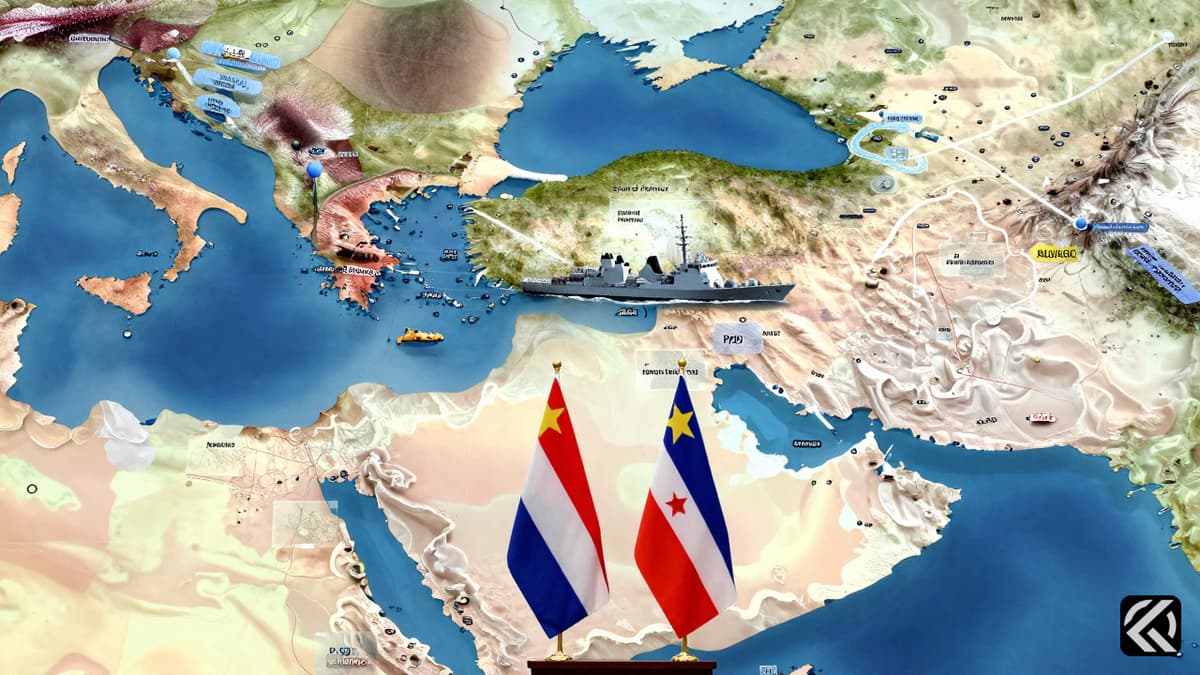
The White House has officially rejected reports that the US agreed to unfreeze $6 billion in Iranian assets held abroad. This denial arrives as high-stakes negotiations continue in Islamabad to secure a ceasefire.
The White House has officially dismissed a report suggesting the United States agreed to release Iran frozen assets held in foreign banks. This denial was issued on Saturday while American and Iranian delegations hold high-stakes negotiations in Islamabad. The goal of these Islamabad negotiations is to broker a ceasefire between the two nations. Despite the denial, a Reuters report cited a senior Iranian source claiming the US had agreed to unfreeze the funds.
This claim centers on $6 billion in funds, which a source stated was directly linked to ensuring safe passage through the Strait of Hormuz. The money, derived from oil sales to South Korea, was initially frozen in 2018. This initial freeze occurred after the United States reimposed sanctions on Iran during the first presidency of Donald Trump. Concurrently, the US withdrew from the nuclear deal with Tehran, leading to the immobilization of these funds.
Historical context reveals the complex journey of these specific funds. They were originally held in South Korean banks following Iranian oil sales. In 2023, a prisoner swap deal mediated by Doha facilitated the transfer of these funds to bank accounts in Qatar. The agreement involved the release of five US citizens detained in Iran in exchange for five Iranians held in the United States. At that time, US officials explicitly stated the money could only be utilized for humanitarian purposes. Under strict US treasury oversight, the funds were restricted to food, medicine, medical equipment, and agricultural goods.
However, the situation escalated following the October 7, 2023, attacks on Israel by Hamas, an ally of Iran. Following these events, the administration of President Joe Biden froze the funds again. Officials at the time declared that Iran would not be able to access the money for the foreseeable future. Washington retained the right to fully block the account, signaling a hardening of the stance on the funds. The current denial by the White House comes amidst claims that the US has now reversed this decision to facilitate negotiations.
The White House's firm stance on the Strait of Hormuz and the frozen capital creates a complex diplomatic landscape for the ongoing talks. While the Iranian source insists on a link between asset release and passage security, the US administration maintains its previous position. The potential resolution of these talks will determine whether the $6 billion remains locked or becomes a tool for de-escalation. If the Islamabad negotiations fail to produce a breakthrough, the status of the funds will likely remain frozen, continuing to strain US-Iran relations. The administration's refusal to confirm the deal suggests a strategic decision to keep financial leverage in place during the critical ceasefire discussions. Future developments will depend heavily on whether the US deems the release of these assets necessary for regional stability or a violation of their previous sanctions regime.
Jun 8, 2026 00:51 UTC
Trump Claims Iran Nuclear Deal Imminent Despite Diplomatic Fractures
Jun 8, 2026 00:47 UTC
Iran Fires Missiles at Israel After Beirut Strike
Jun 7, 2026 22:00 UTC
US, Iran Peace Hops Fade 100 Days Into War
Jun 7, 2026 20:57 UTC
Iran Strikes Israel: IRGC Promises Week of Continuous Offensive
Jun 8, 2026 02:28 UTC
Trump Walks Out of Meet the Press After Rejecting Evidence Demands


