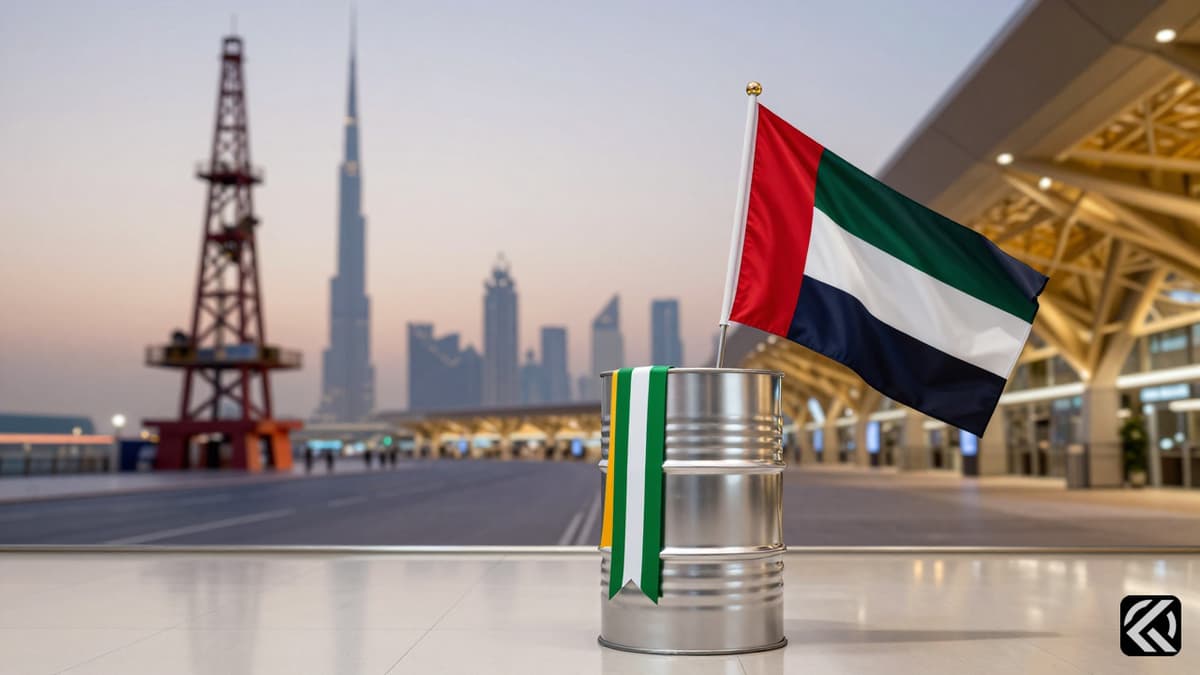
In a critical diplomatic move, External Affairs Minister S. Jaishankar is set to travel to the UAE immediately to address rising threats to India's energy stability.
External Affairs Minister S. Jaishankar is scheduled to depart for the United Arab Emirates on April 11, arriving for a crucial two-day visit that concludes on April 12. This high-level diplomatic mission arrives against a volatile backdrop, specifically addressing the ongoing hostilities involving the U.S., Israel, and Iran. The primary objective of this trip is to fortify India's energy security, which is currently under threat due to these escalating regional conflicts.
Ministry of External Affairs spokesperson Randhir Jaiswal confirmed the details on Friday, April 10, 2026. According to Jaiswal, the decision to send ministers to Gulf countries is being executed at the direct direction of the Prime Minister. The core strategy involves continuous outreach to nations in the region to ensure stability in energy supplies.
The urgency of this visit cannot be overstated, as the current geopolitical landscape presents a direct challenge to India's economic stability. The conflict between the U.S., Israel, and Iran has created a precarious situation for global energy markets. For a nation like India, which relies heavily on energy imports, the potential disruption of supply chains from the Gulf region is a critical concern. The hostilities threaten the continuity of oil and gas exports, making the timing of Jaishankar's arrival pivotal for national security interests.
The Ministry's statement highlights a proactive approach to foreign policy. Rather than reacting passively to emerging crises, the Indian government is taking steps to solidify alliances. By having External Affairs Minister S. Jaishankar engage directly with his UAE counterparts, the government aims to secure bilateral agreements that can safeguard Gulf energy security. This mission underscores the importance of the UAE as a strategic partner for India during times of global instability.
The directive from the Prime Minister indicates a shift towards a more robust diplomatic framework in the Middle East. The phrase "we continue to reach out to countries in the Gulf region" suggests that this is not an isolated event but part of a sustained campaign of engagement. Ministers are being deployed to these nations to strengthen ties that are essential for maintaining the flow of energy resources. The involvement of the highest levels of the Ministry ensures that the diplomatic efforts are aligned with the broader strategic goals of the nation.
As the Minister embarks on this journey, the focus remains on mitigating the risks posed by the conflict between the U.S., Israel, and Iran. The stability of energy markets is inextricably linked to the peace and stability of the region. By prioritizing these visits, India signals its commitment to fostering a stable environment where trade and energy flows can continue unimpeded.
The visit also serves as a reaffirmation of India-UAE relations. The United Arab Emirates has long been a crucial partner for India, particularly regarding energy trade. Strengthening these ties during a period of heightened regional tension is a strategic necessity. The successful completion of this diplomatic mission could lead to enhanced cooperation in energy sectors, ensuring that India's economic needs are met despite external pressures.
This diplomatic push by External Affairs Minister S. Jaishankar marks a significant escalation in India's engagement with the Gulf states. As the hostilities between the U.S., Israel, and Iran persist, the need for reliable energy partners becomes more acute. The directive from the Prime Minister to have ministers visit the region demonstrates a top-down approach to securing India's energy future.
Looking ahead, the outcome of these discussions could determine the trajectory of India's energy policy in the coming years. If successful, the strengthened ties may lead to long-term agreements that insulate India from future shocks. The continuous outreach strategy suggests that the government anticipates further volatility in the region and is preparing to navigate it through strong diplomatic channels. The focus on Gulf energy security will likely remain a central pillar of India's foreign policy as the situation in the Middle East evolves.
Jun 8, 2026 02:17 UTC
Magnitude 7.8 Quake Shakes Philippines, Urging Immediate Evacuations
Join 50,000+ readers getting the global briefing every morning.
No spam. Unsubscribe anytime.
Jun 8, 2026 02:17 UTC
Magnitude 7.8 Quake Shakes Philippines, Urging Immediate Evacuations
Jun 8, 2026 00:51 UTC
Trump Claims Iran Nuclear Deal Imminent Despite Diplomatic Fractures
Jun 8, 2026 00:47 UTC
Iran Fires Missiles at Israel After Beirut Strike
Jun 7, 2026 22:38 UTC
Congress Party Claims Unity for INDIA Bloc Delhi Meeting


