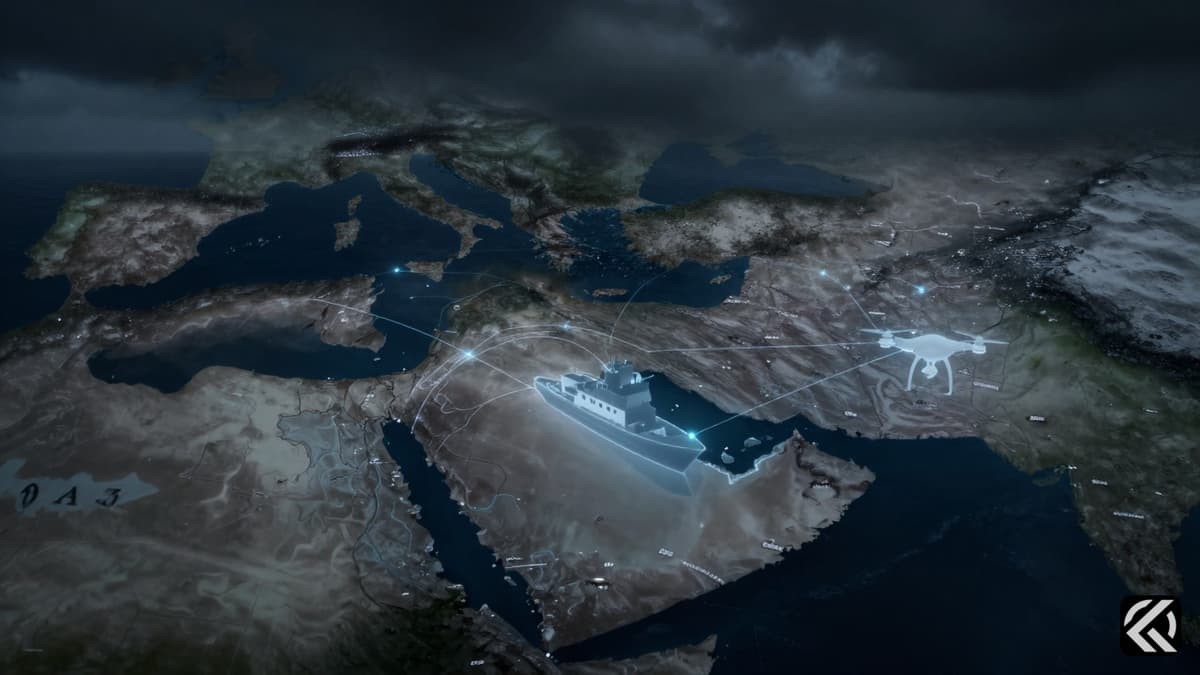
As diplomatic efforts intensify, Vance travels for Iran talks while Hezbollah-Israel conflict escalates, leaving the Strait of Hormuz blocked and global energy markets in turmoil.
The US Vice President Vance is currently traveling to Iran to initiate critical ceasefire talks, holding out hope for a positive outcome as the region remains volatile. This diplomatic push occurs against a backdrop of intense violence, including a Hezbollah-Israel conflict that has already claimed over 300 lives in Lebanon following devastating Israeli airstrikes.
Just days after Israel's deadliest bombardment in its war with Lebanon killed more than 300 people, the situation on the ground has escalated. Hezbollah announced it targeted Israel's Ashdod naval base with missiles, claiming it was a necessary response to the enemy's repeated violations of the ceasefire. The group stated that while the Resistance had adhered to the truce, the enemy failed to do so, prompting the retaliatory strike. Meanwhile, Hezbollah chief Naim Qassem issued a stern warning to the Lebanese government, urging officials to stop offering "free concessions" to Israel as negotiations in Washington loom next week.
The Strait of Hormuz blockade continues to be a critical flashpoint, shutting down the vital waterway and causing the biggest-ever disruption to global energy supplies. Although a two-day-old ceasefire has halted US and Israeli air strikes on Iran, it has failed to open the strait or calm the parallel war waged by Israel against Iran's Hezbollah allies. US President Donald Trump criticized Iran's handling of the situation, stating on social media that Tehran was doing a "very poor job" of allowing oil to flow and that this was not the agreement they had reached. Trump further noted that oil would start flowing again, though he did not specify the method.
On the humanitarian front, the World Health Organization received assurances that two Beirut hospitals, Rafik Hariri University Hospital and Al Zahraa hospital, will not be targeted, even as 450 patients remain inside because evacuation is not feasible. The devastation in Beirut is visible in the Ain al-Mraisseh neighbourhood, where a recent Israeli strike caused a partial collapse of a multi-storey building. Residents, now homeless, scavenged for furniture amidst the rubble. "There is no substitute for family," said Wissam Tabila, a 35-year-old survivor, emphasizing that while houses can be replaced, loved ones cannot. Authorities report over 1,800 wounded and more than 300 dead from the recent strikes.
Diplomatic efforts are also seeing movement from other international actors. France's Foreign Minister Jose Manuel Albares urged Iran to negotiate in good faith and halt all missile and drone launches during talks in Islamabad. India's Ministry of External Affairs expressed deep concern over civilian casualties, reiterating the priority of protecting civilians and respecting sovereignty. The geopolitical ripple effects are global, with Indian carriers facing significant financial pressure. Dubai has restricted foreign airlines to just one daily flight until May 31, leading the Federation of Indian Airlines to request reciprocal measures against Dubai-based carriers.
In a surprising development regarding regional defense, Ukrainian President Volodymyr Zelenskyy revealed that Ukrainian military experts have downed Iranian drones in several West Asian countries. Following a wave of retaliatory attacks after US and Israeli strikes on Iran, Kyiv dispatched dozens of anti-drone personnel to at least four countries. Zelenskyy confirmed that they destroyed the drones, specifically Shaheds, not as a training exercise but to help build a modern air defense system. This Ukraine drone intervention represents a tangible contribution to the region's defense capabilities, though Zelenskyy noted that Ukraine expects to receive interceptors, financial arrangements, or oil supplies in return for this support.
Furthermore, Zelenskyy has called for the reinstatement of energy sanctions on Russia. With the US-Iran ceasefire agreement potentially opening the Strait of Hormuz, the Ukrainian President argues that sanctions on Russian oil should be fully reimposed to address the funding of Moscow's war against Ukraine. Meanwhile, former Iranian Foreign Minister Kamal Kharazi died after injuries sustained in a recent airstrike. Kharazi had previously suggested Tehran had the technical means to produce a nuclear bomb, though he stated no decision had been made to build one.
As diplomatic channels attempt to stabilize the region, the reality on the ground suggests a fragile and complex situation where ceasefires are frequently violated. The continued operation of the Strait of Hormuz blockade and the persistence of cross-border missile strikes indicate that the two-week truce has not yet resolved the underlying hostilities. If the current pattern of retaliatory attacks and unfulfilled agreements continues, the humanitarian toll in Lebanon could rise significantly, and global energy markets may face prolonged instability. The potential for future diplomatic breakthroughs remains tied to the ability of all parties, including the US, Iran, and regional allies, to enforce the terms of the ceasefire and address the security concerns of Hezbollah and Israel.
Jun 8, 2026 00:51 UTC
Trump Claims Iran Nuclear Deal Imminent Despite Diplomatic Fractures
Jun 8, 2026 00:47 UTC
Iran Fires Missiles at Israel After Beirut Strike
Jun 7, 2026 22:00 UTC
US, Iran Peace Hops Fade 100 Days Into War
Jun 7, 2026 20:57 UTC
Iran Strikes Israel: IRGC Promises Week of Continuous Offensive
Jun 8, 2026 02:28 UTC
Trump Walks Out of Meet the Press After Rejecting Evidence Demands


