The Congress party has formally accused the Prime Minister of requiring an apology to Indian women for reversing his stance on the women's reservation law.
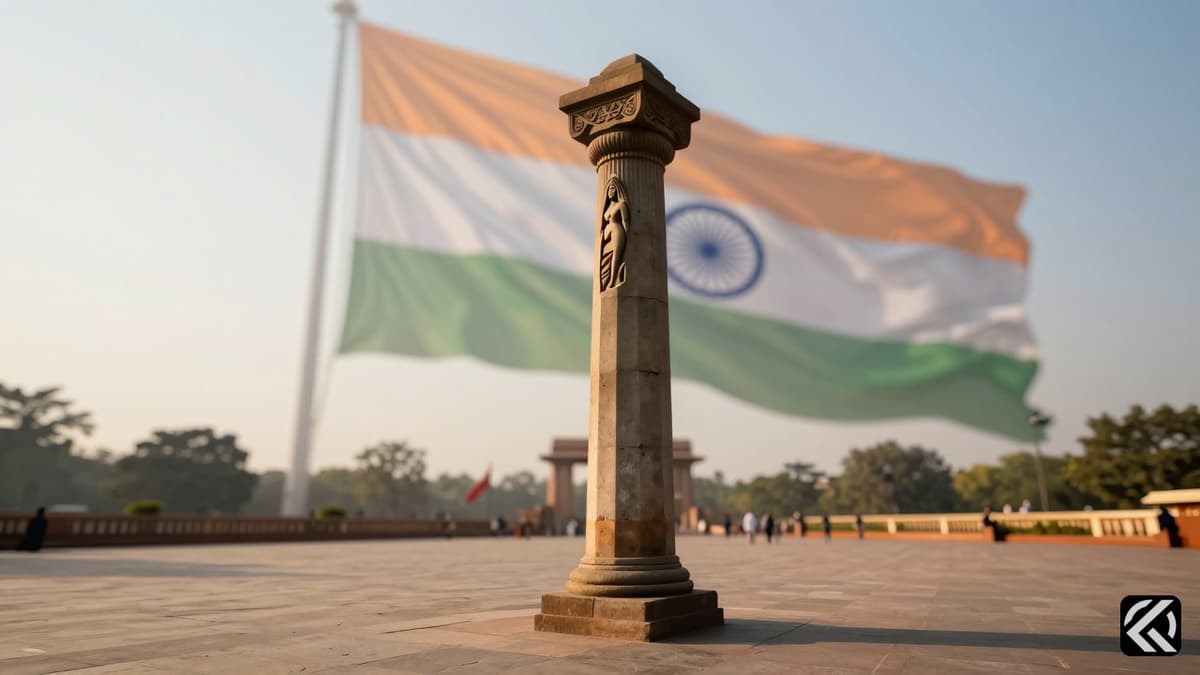
The Indian political landscape saw heightened tensions on Friday, April 10, 2026, as the Congress party leveled serious allegations against the central leadership. The opposition party formally stated that Prime Minister Narendra Modi owes a significant apology to the women of India. This demand stems from the Prime Minister's decision not to implement the Nari Shakti Vandan Adhiniyam 2023, a landmark legislation designed to reserve seats for women in the Lok Sabha and State Assemblies.
The Congress party has argued that the Modi government's sudden shift in position, or "U-turn," regarding the timeline of the implementation is not merely a procedural delay. Instead, the party contends that this reversal is a strategic move to obscure what they describe as "monumental failures" in governance. Furthermore, the opposition asserts that this delay covers up "severe setbacks" that the Prime Minister's administration has faced in the realm of foreign policy.
The core of the conflict lies in the specific timeline of implementation. The Congress had previously demanded that the Nari Shakti Vandan Adhiniyam 2023 be enforced immediately for the 2024 polls. By not accepting this demand to implement the law from the 2024 polls itself, the Prime Minister has triggered a fierce rebuke. The party believes that the failure to honor this specific timeline constitutes a breach of trust with the female electorate.
The rhetoric used by the Congress party paints a picture of a government struggling to maintain credibility. By linking the women's reservation law to broader governance issues, the opposition is attempting to broaden the scope of the debate. They suggest that the hesitation to implement the women's reservation law is a symptom of a deeper lack of competence. The party implies that if the government were performing well, they would not need to resort to delaying such a significant social reform.
The specific mention of "monumental failures" suggests that the opposition views the delay as a symptom of a larger systemic issue within the Modi government. The allegation is that the leadership is using the postponement of the law as a smokescreen. This strategy, according to the Congress, is intended to divert public attention away from recent challenges. The party does not mince words, framing the situation as a direct betrayal of the women of India who are the intended beneficiaries of the legislation.
The foreign policy angle adds another layer of complexity to the narrative. By citing "severe setbacks" in foreign relations, the Congress party is suggesting that the government's internal and external standing is compromised. The implication is that the Prime Minister is prioritizing political maneuvering over the implementation of social justice. This interpretation frames the delay not as a logistical challenge, but as a calculated political decision to mask underlying weaknesses.
The timeline of the demand is crucial. The Congress party made this statement on Friday, April 10, 2026, marking a specific point in time where the political pressure on the Prime Minister intensified. The opposition has set a clear expectation: an apology. They argue that without an apology, the relationship between the government and the women of India remains strained. The demand is not just about the law itself, but about the manner in which the law is being handled by the leadership.
The Congress party's stance is unequivocal. They do not see the delay as a temporary administrative hurdle. Instead, they view it as a fundamental refusal to act on the demands of the electorate. The party insists that the Prime Minister must acknowledge his error. The demand for an apology serves as a public record of the opposition's dissatisfaction with the current trajectory of the government's policies.
The narrative constructed by the Congress party is one of betrayal. They frame the Prime Minister's actions as a personal failing towards a specific demographic. By focusing on the women of India, they are highlighting the human cost of political delays. The argument is that the delay harms the very people the law was designed to help, thereby necessitating a formal apology.
Congress Demands Apology as Implementation Stalls The opposition's stance suggests a prolonged period of political friction. If the Nari Shakti Vandan Adhiniyam 2023 remains unimplemented from the 2024 polls as the Congress claims, the pressure on the Modi government will likely intensify. The allegations of covering up governance failures and foreign policy setbacks indicate that this issue will remain a focal point of political discourse. The demand for an apology serves as a baseline for future negotiations. Without a resolution, the trust deficit between the opposition and the government regarding social reforms may grow, potentially affecting the political landscape in the coming years. The failure to implement the women's reservation law effectively could continue to be a defining characteristic of this administration's relationship with the female electorate.
Jun 8, 2026 02:17 UTC
Magnitude 7.8 Quake Shakes Philippines, Urging Immediate Evacuations
Join 50,000+ readers getting the global briefing every morning.
No spam. Unsubscribe anytime.
Jun 8, 2026 02:17 UTC
Magnitude 7.8 Quake Shakes Philippines, Urging Immediate Evacuations
Jun 8, 2026 00:51 UTC
Trump Claims Iran Nuclear Deal Imminent Despite Diplomatic Fractures
Jun 8, 2026 00:47 UTC
Iran Fires Missiles at Israel After Beirut Strike
Jun 7, 2026 22:38 UTC
Congress Party Claims Unity for INDIA Bloc Delhi Meeting