Decades later, new DNA technology confirms a Utah teenager killed in 1974 was murdered by the infamous serial killer Ted Bundy, ending a long investigation.
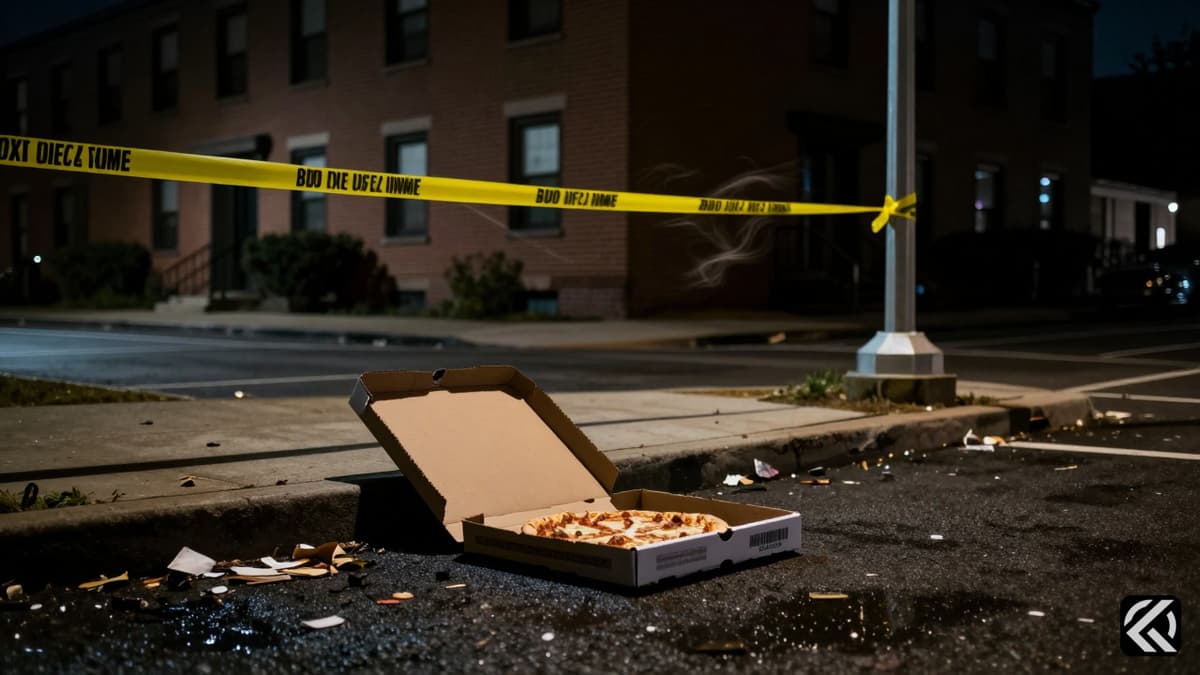
In a historic development for the Utah Sheriff's Department, officials have formally closed a 51-year-old cold case. New DNA technology has definitively identified a murdered teenager as a victim of the notorious serial killer Ted Bundy. This breakthrough resolves a decades-long mystery surrounding the death of Laura Ann Aime, bringing finality to an investigation that began in the mid-1970s.
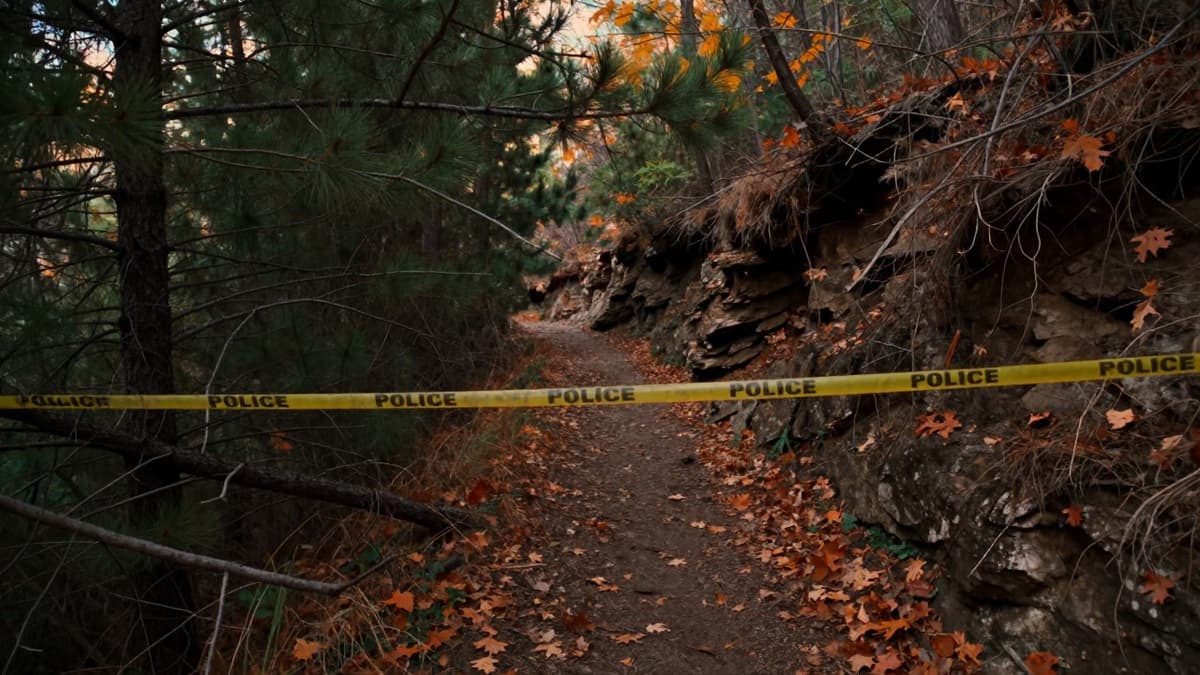
The case originated in late 1974, marking a dark period for the state. Laura Ann Aime, then 17 years old, vanished after leaving a party on Halloween. Her disappearance remained a profound mystery until her body was discovered about one month later by hikers in the rugged terrain of American Fork Canyon. For over five decades, the case remained unsolved, waiting for the technological and legal advances that would eventually link her death to a criminal spree that terrorized the nation.
Between February 1974 and February 1978, Ted Bundy murdered at least 30 women across the United States. His brutal campaign extended beyond the Pacific Northwest, where he initially began his spree, to include victims in Colorado, Utah, and Florida. Authorities have linked Bundy to many more killings throughout the country, establishing his profile as one of America's most infamous serial killers.
Before his execution in Florida in 1989, Bundy confessed to Laura's killing. However, his confession was notably vague. He refused to elaborate or provide any specific details regarding his actual involvement in her death. This lack of specific information created a legal and investigative hurdle. As the Sheriff stated in a formal statement, the Sheriff's Department elected to keep this case open until investigators could prove, without a shadow of doubt, that he was her killer. The department held this stance for over 50 years, refusing to settle for a confession that lacked corroborating physical evidence.

At the time of Laura's death, Ted Bundy was living in Salt Lake City. He was actively studying law at the University of Utah during the years he committed the crimes that would eventually define his legacy. His presence in the city placed him in close proximity to his victims, yet it took decades of forensic advancement to confirm his specific role in Laura's tragic end. The identification of Laura Ann Aime as a victim marks the culmination of a long pursuit of justice that persisted long after the alleged killer was removed from society.
Sheriff's statements have painted a vivid picture of the victim, honoring her memory rather than focusing solely on the crime. Laura is remembered as an outgoing free spirit who enjoyed outdoor activities. Her life was characterized by a passion for riding horses and hunting, alongside a deep commitment to caring for her several siblings. This description stands in stark contrast to the grim reality of her untimely death and the subsequent decades of uncertainty her family endured.
The methodology of Ted Bundy is well-documented and chilling in its simplicity. He was known to often approach women in public places, utilizing his charm or feigning a fake injury to gain their trust. Once he had established a connection, he would lure them to secluded areas where he would kill them. This pattern of manipulation and violence was used against numerous women in multiple states, including the specific instance involving Laura in Utah.
The application of modern DNA technology has finally bridged the gap between a confession and a legal conclusion. The Sheriff's Department confirmed that the evidence now proves Bundy's involvement without a shadow of doubt. This scientific validation allows the case to be officially archived as solved, providing a definitive answer to a question that had haunted law enforcement and the community for half a century. The use of Ted Bundy's name in this context now carries the weight of confirmed guilt regarding a specific victim in Utah, a fact that was previously only an assertion he made but could not fully substantiate to the authorities' satisfaction.
The closure of the Laura Ann Aime case represents a significant milestone in the history of homicide investigations in Utah. By utilizing new DNA technology, investigators were able to move past the limitations of relying solely on a serial killer's confession, which often lacks specific details. This successful resolution suggests a future where long-standing cold cases can be reopened and solved with greater efficiency, potentially identifying other unclaimed victims of Bundy or similar offenders. The enduring power of the Sheriff's Department to maintain an open file until proof was absolute underscores a commitment to justice that transcends the passage of time, offering a final measure of closure for the families involved in a tragedy that has now been legally resolved.
Jun 8, 2026 04:15 UTC
Trump Urges Netanyahu to Halt Iran Strike for Peace
Join 50,000+ readers getting the global briefing every morning.
No spam. Unsubscribe anytime.
Jun 8, 2026 02:28 UTC
Trump Walks Out of Meet the Press After Rejecting Evidence Demands
Jun 8, 2026 02:17 UTC
Magnitude 7.8 Quake Shakes Philippines, Urging Immediate Evacuations
Jun 8, 2026 00:51 UTC
Trump Claims Iran Nuclear Deal Imminent Despite Diplomatic Fractures
Jun 8, 2026 00:47 UTC
Iran Fires Missiles at Israel After Beirut Strike