Tensions escalate as Iran launches strikes on Saudi airbases, wounding U.S. personnel, while Secretary Rubio signals a swift resolution to the ongoing conflict in weeks rather than months.
In a significant development regarding the escalating Middle East conflict, U.S. officials have announced expectations for a rapid conclusion to military operations in Iran. While the region grapples with renewed hostilities, including a deadly strike on a Saudi airbase, diplomatic and strategic signals suggest the current phase of the war may not persist for long.
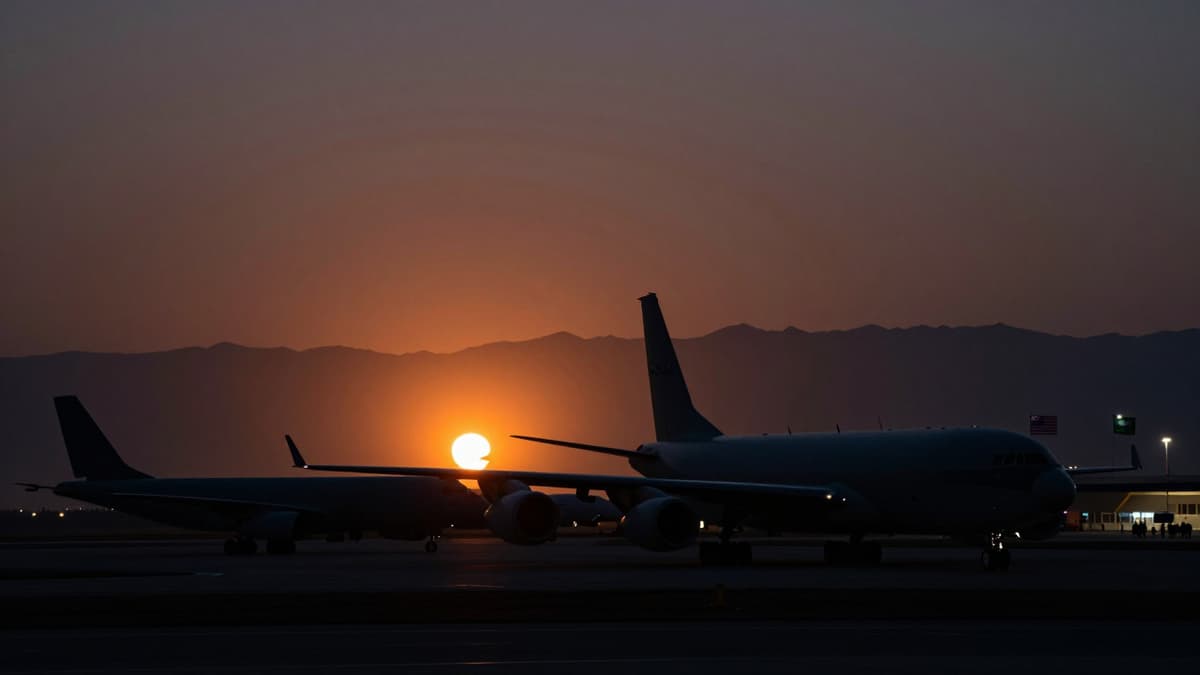
The urgency of the situation was underscored on Friday when an Iran missile attack targeted Prince Sultan Air Base in Saudi Arabia. A U.S. official confirmed that the assault, which involved both missiles and unmanned drones, wounded several service members and damaged multiple U.S. refueling aircraft. The official, speaking anonymously due to the sensitive nature of military matters, noted that the extent of the injuries to the troops was not immediately clear, though one soldier, Army Sgt. Benjamin N. Pennington, died days after being wounded during an earlier attack on the same date.
This incident occurred as the conflict moved into its fourth week, with the U.S. Central Command reporting that more than 300 service members have been wounded since the war's commencement on February 28. Among the injured, 10 troops remain in serious condition, while 273 have returned to duty. The confirmation of the strike came shortly after satellite imagery surfaced online, depicting visible damage to the aircraft parked at the base.
Simultaneously, Israel has intensified its military response, renewing airstrikes on Beirut's southern suburbs and launching a ground offensive. The Israeli military confirmed Friday that it had struck a heavy water production plant in Arak, Iran, describing the facility as a "key plutonium production site for nuclear weapons." This strike was part of a broader campaign that also targeted a uranium processing facility in Ardakan, though Iranian officials stated no radioactive material was released in either incident. As the fighting escalates, the sound of air raid sirens echoed in Jerusalem, warning of incoming threats from the north.
Secretary of State Marco Rubio, following meetings with G7 foreign ministers in France, provided a rare glimpse into the strategic outlook of the United States. He explicitly stated that the U.S. expects its operation in Iran to conclude in "weeks, not months." Rubio also suggested that Iran might implement a tolling system for the Strait of Hormuz, a critical waterway through which global energy supplies flow. This potential shift in strategy highlights the delicate balance between military pressure and economic stability in the region.
The conflict has triggered a cascade of humanitarian and logistical challenges across West Asia. The United Nations refugee agency, UNHCR, has issued a stark warning: Lebanon faces a deepening humanitarian crisis that risks teetering into catastrophe. The war, which began in earnest after Hezbollah fired rockets on March 2 to avenge the killing of Iran's supreme leader, has drawn Lebanon into the fray. The UN launched an $80-million appeal to assist nearly two million refugees and their host communities in Iran, where job losses and psychological distress are mounting alongside shelter shortages.
The impact on global trade and energy security remains a central concern. Five India-bound LPG ships are currently anchored near the Strait of Hormuz, holding 1.7 lakh tonnes of vital fuel. In response to the growing tensions, Iran's ambassador to the UN in Geneva, Ali Bahreini, announced that Tehran is committed to "facilitate and expedite" humanitarian aid through the waterway. This decision comes after the UN established a task force to create a new mechanism for facilitating fertilizer trade and the movement of raw materials through the strait, ensuring essential supplies reach those in need.
Meanwhile, domestic measures within Iran reflect the country's defensive posture. Iranian state TV reported a ban on sports teams traveling to "hostile" countries, specifically singling out an upcoming playoff game in Saudi Arabia. This move follows earlier reports that a heavy water plant in Khondab and a steel production factory in Khuzestan had been hit, though international monitoring confirmed no radiation leaks occurred.
The G7 foreign ministers, convening in France, demanded an immediate cessation of attacks on civilians and civilian infrastructure. Their joint statement underscores the international community's growing concern over the escalating violence and its humanitarian fallout. As the war enters its fifth week, the interplay between military objectives, diplomatic negotiations, and humanitarian necessity defines the current landscape. The path forward will likely depend on the speed of the U.S. operation's conclusion and the ability of regional actors to manage the fallout in the Strait of Hormuz without triggering a wider global crisis.
The ongoing military maneuvers in the Middle East are set to reshape trade dynamics in the Strait of Hormuz for the foreseeable future. With Iran signaling a potential tolling system and the U.S. anticipating a swift end to hostilities, the region faces a period of heightened uncertainty followed by a potential reset of maritime security protocols. The immediate future will likely see a heavy reliance on diplomatic channels, as seen in the UN's recent task force formation, to ensure the uninterrupted flow of energy and humanitarian aid. If the U.S. timeline holds true, the pressure on Iran to stabilize the strait for economic survival may increase, potentially leading to a more regulated trade environment. Conversely, continued military strikes could disrupt supply chains further, forcing global powers to invest more heavily in alternative routes or diplomatic security guarantees to prevent a total economic freeze in the region.
Jun 8, 2026 00:51 UTC
Trump Claims Iran Nuclear Deal Imminent Despite Diplomatic Fractures
Jun 8, 2026 00:47 UTC
Iran Fires Missiles at Israel After Beirut Strike
Jun 7, 2026 22:00 UTC
US, Iran Peace Hops Fade 100 Days Into War
Jun 7, 2026 20:57 UTC
Iran Strikes Israel: IRGC Promises Week of Continuous Offensive
Jun 8, 2026 02:28 UTC
Trump Walks Out of Meet the Press After Rejecting Evidence Demands


