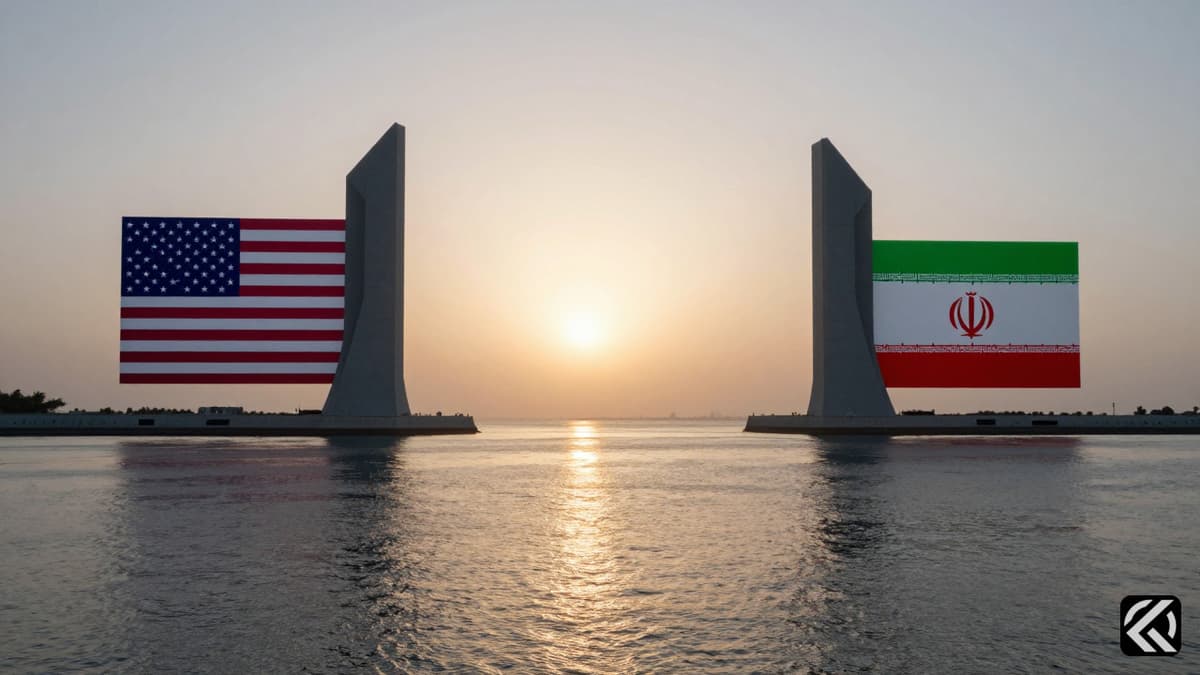
Negotiators from Iran and the United States are poised for high-stakes discussions in Islamabad, aiming to stabilize a fragile ceasefire while the Strait of Hormuz remains under pressure.
Negotiators from Iran and the United States are preparing on Friday, April 10, 2026, for high-level discussions planned to commence the following day in Islamabad. These talks are critical for attempting to steady a ceasefire that currently teeters on the brink due to ongoing exchanges of fire between Israel and Hezbollah. The geopolitical landscape remains volatile as Tehran maintains a strategic chokehold over the Strait of Hormuz, adding significant urgency to the upcoming diplomatic efforts.
U.S. Vice President J.D. Vance was set to depart from Washington on the day of the announcement, signaling the immediate high-level engagement of the American administration. Meanwhile, Iran has remained largely silent regarding the specific composition of its negotiating team. Despite this silence, the Iranian stance is clear: they are actively attempting to pressure Washington to halt Israeli military actions in Lebanon. The stakes are incredibly high, as the semiofficial Tasnim news agency, which is closely aligned with Iran's Revolutionary Guard, has explicitly stated that the talks would "remain suspended" if this condition is not met. This ultimatum underscores the delicate nature of the diplomatic maneuvering required to prevent further escalation in the region.
The situation on the ground dictates the speed and seriousness of these preparations. The exchange of fire between Israel and Hezbollah has created a volatile environment where any misstep could derail the entire peace process. The primary objective of the upcoming Islamabad meeting is to find a diplomatic path that addresses the immediate humanitarian and security concerns without igniting a broader regional conflict. The involvement of the Strait of Hormuz in the narrative highlights the global economic and strategic implications of this regional standoff. Any disruption to the flow of energy through this critical waterway would have immediate and severe consequences worldwide.
Tehran's leverage is a central component of the current standoff. By maintaining a chokehold over the Strait of Hormuz, Iran exerts significant influence that Washington and its allies must consider in any negotiation. The semiofficial news outlet Tasnim serves as a key voice in articulating Tehran's red lines, particularly concerning the Israeli military operations in Lebanon. The threat of suspending negotiations is a potent diplomatic tool, indicating that Tehran views the cessation of Israeli attacks as a non-negotiable precondition for continued dialogue. This creates a precarious balance where the U.S. must navigate the complexities of supporting its ally while simultaneously addressing the demands of a regional adversary to secure a lasting truce.
The timing of these talks is equally significant. With the negotiations scheduled to begin on April 11, just one day after the initial preparations on Friday, there is a clear sense of urgency. The rapid mobilization suggests that both sides recognize the window for de-escalation is narrowing. The departure of Vice President Vance from Washington further reinforces the gravity of the situation, placing the administration directly in the middle of the diplomatic bridge-building effort. The success of these talks will likely depend on the ability of the negotiators to bridge the gap between Tehran's demands and the operational realities of the conflict in Lebanon.
While the U.S. position remains to press for a ceasefire, the specific constraints imposed by Tehran create a challenging diplomatic environment. The condition set by the Revolutionary Guard-linked media outlet that talks will be suspended otherwise places a heavy burden on the U.S. delegation to find a viable solution quickly. The potential suspension of talks would not only halt immediate progress but could also signal a return to heightened hostilities, further destabilizing an already fragile region. The world watches as these two nuclear-armed neighbors, separated by deep ideological divides, attempt to find common ground to prevent a catastrophic escalation that could draw in other global powers.
The role of Islamabad as the host city for these talks is also noteworthy, suggesting a neutral ground for these high-stakes discussions. The choice of location underscores the international dimension of the conflict, where regional and global powers are all seeking to influence the outcome. The narrative of this diplomatic push is one of cautious optimism tempered by the harsh realities of the conflict on the ground. As the deadline for the talks approaches, the international community holds its breath, hoping that the Iran-US ceasefire talks will yield a breakthrough that prevents further bloodshed and secures a more stable future for the Middle East.
As the negotiators finalize their preparations, the trajectory of the Iran-US ceasefire talks hangs in the balance, heavily influenced by Tehran's demand for an end to Israeli attacks. If the pressure on Washington does not translate into tangible action on the ground in Lebanon, the threat from the Revolutionary Guard's media wing indicates a high probability of the talks collapsing. This potential suspension would likely exacerbate the existing tensions, potentially leading to further military exchanges and a tightening of the chokehold on the Strait of Hormuz. The coming days will be critical, as the diplomatic bridge built in Islamabad could either stand firm against the storm of regional conflict or crumble under the weight of irreconcilable demands.
Jun 8, 2026 00:51 UTC
Trump Claims Iran Nuclear Deal Imminent Despite Diplomatic Fractures
Jun 8, 2026 00:47 UTC
Iran Fires Missiles at Israel After Beirut Strike
Jun 7, 2026 22:00 UTC
US, Iran Peace Hops Fade 100 Days Into War
Jun 7, 2026 20:57 UTC
Iran Strikes Israel: IRGC Promises Week of Continuous Offensive
Jun 8, 2026 02:28 UTC
Trump Walks Out of Meet the Press After Rejecting Evidence Demands


