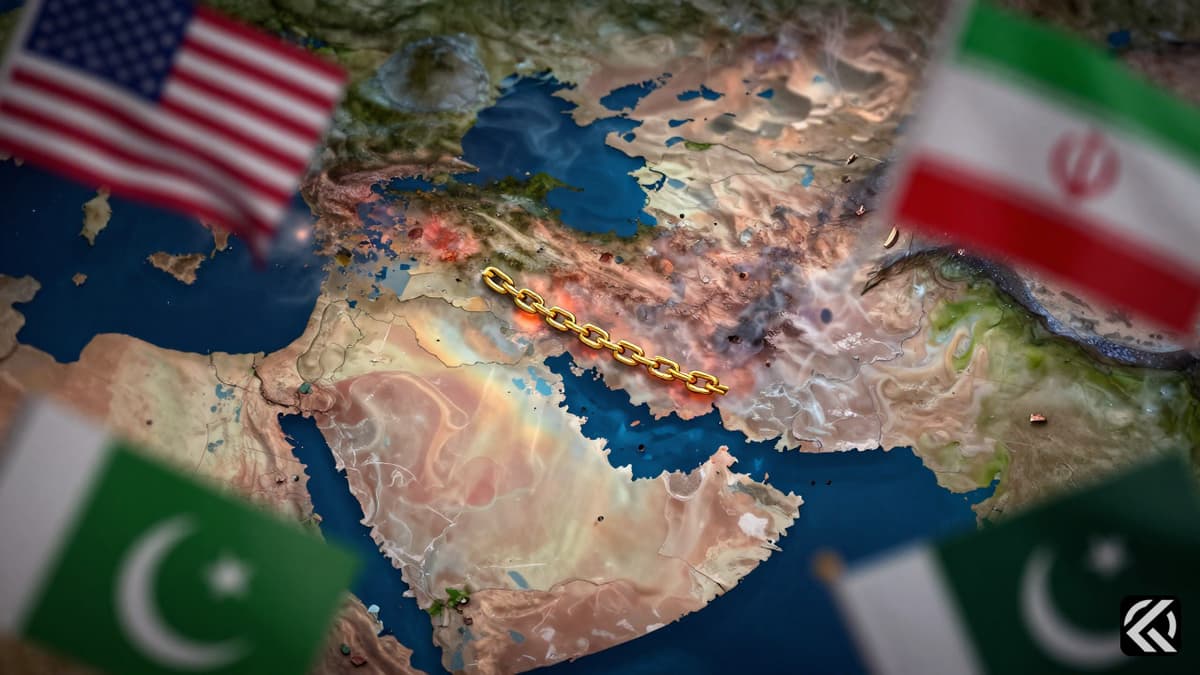
In a dramatic shift, President Donald Trump halted planned devastating strikes on Iran, initiating a ceasefire after intense negotiations with Pakistani leadership just before a critical deadline.
In a stunning reversal of events on April 7, 2026, U.S. President Donald Trump pulled back on his threats to launch devastating strikes against Iran just hours before a critical deadline for Tehran to capitulate. The decision to de-escalate the escalating Iran war was announced late Tuesday, marking a sudden shift from a posture of imminent military aggression to one of negotiation. This strategic pivot came after President Trump engaged in direct conversations with Pakistan's Prime Minister Shehbaz Sharif and General Asim Munir, which influenced his decision to suspend the planned bombing for at least two weeks.
The lead-up to this sudden ceasefire had been characterized by intense rhetorical threats. On Saturday, April 4, the President had issued a stark ultimatum, stating that Tehran had 48 hours to cut a deal or face "all Hell." The situation was further complicated by the concurrent efforts of both U.S. and Iranian forces, which were scrambled to locate a downed American airman. By Tuesday, the rhetoric had intensified, with the President warning that a failure by Iran to accept his deal and reopen the vital waterway would result in catastrophic loss, stating ominously that "a whole civilisation will die" if the Strait of Hormuz remained closed before his 8 p.m. deadline.
Despite the high-stakes language preceding the deadline, the administration chose a path of de-escalation. President Trump confirmed on Wednesday, April 8, that he had come to the decision to suspend the strikes based on the discussions held with Pakistani leadership. This move effectively paused the threat of major escalation that had loomed over the region less than two hours before the expiration of the ultimatum. The sudden halt in military preparations signaled a potential turning point in a conflict that had threatened to engulf the entire region in a wider catastrophe.
While the United States moved toward a ceasefire, the Iranian government on Wednesday, April 8, 2026, laid out its uncompromising conditions for securing an end to the hostilities. Tehran presented a ten-point plan that requires Washington to fundamentally alter its stance. Specifically, the Iranian leadership stated that the United States must accept Iran's uranium enrichment program and the lifting of all sanctions as prerequisites for any peace agreement. This demand underscores the deep-seated mistrust and the core geopolitical friction driving the conflict.
The response from Pakistan, a key regional player, was immediate and positive. Prime Minister Shehbaz Sharif confirmed on Wednesday that the United States, Iran, and their respective allies had agreed to a ceasefire "everywhere." This broad agreement suggests a significant diplomatic breakthrough, moving the region away from the brink of a larger conflagration. However, the path forward remains fraught with the specific demands made by Tehran, which include the continuation of their nuclear activities under international scrutiny.
The role of the Strait of Hormuz remains central to the urgency of this situation. The waterway is a critical global choke point for energy transport, and the threat of it being closed was the primary leverage point used by the U.S. administration in its earlier threats. The opening of this channel had been a non-negotiable demand for the U.S. to avoid the "civilisational" destruction threatened by President Trump. The suspension of strikes now allows for the negotiation of these specific terms, with the ceasefire providing the necessary breathing room for both sides to address the core issues of sanctions and nuclear enrichment.
The dynamics of this Iran war have shifted from a binary choice of war or immediate surrender to a complex negotiation involving regional powers. The involvement of General Asim Munir and Prime Minister Shehbaz Sharif highlights the role of third-party mediators in de-escalating the crisis. As the two-week suspension of bombing begins, the focus shifts entirely to whether the U.S. administration will accept the conditions set by Tehran regarding uranium enrichment and sanctions. The coming days will determine if the diplomatic channels opened by the Pakistani leaders can bridge the gap between the two nations' demands or if the cycle of threats and military readiness will resume.
The core of the diplomatic standoff remains the fundamental disagreement over nuclear capabilities. As the two-week suspension of bombing takes effect, the onus is on Washington to respond to Tehran's ten-point plan. The Iranian position is absolute: the U.S. must accept uranium enrichment and lift all sanctions. If these terms are not met, the ceasefire may be fragile, and the threat of the Strait of Hormuz remaining closed could resurface as a point of contention. The historical context of sanctions and the strategic importance of the waterway continue to drive the narrative, with the immediate future depending on the willingness of both sides to compromise on these specific, high-stakes issues.
Jun 8, 2026 00:51 UTC
Trump Claims Iran Nuclear Deal Imminent Despite Diplomatic Fractures
Jun 8, 2026 00:47 UTC
Iran Fires Missiles at Israel After Beirut Strike
Jun 7, 2026 22:00 UTC
US, Iran Peace Hops Fade 100 Days Into War
Jun 7, 2026 20:57 UTC
Iran Strikes Israel: IRGC Promises Week of Continuous Offensive
Jun 8, 2026 02:28 UTC
Trump Walks Out of Meet the Press After Rejecting Evidence Demands


