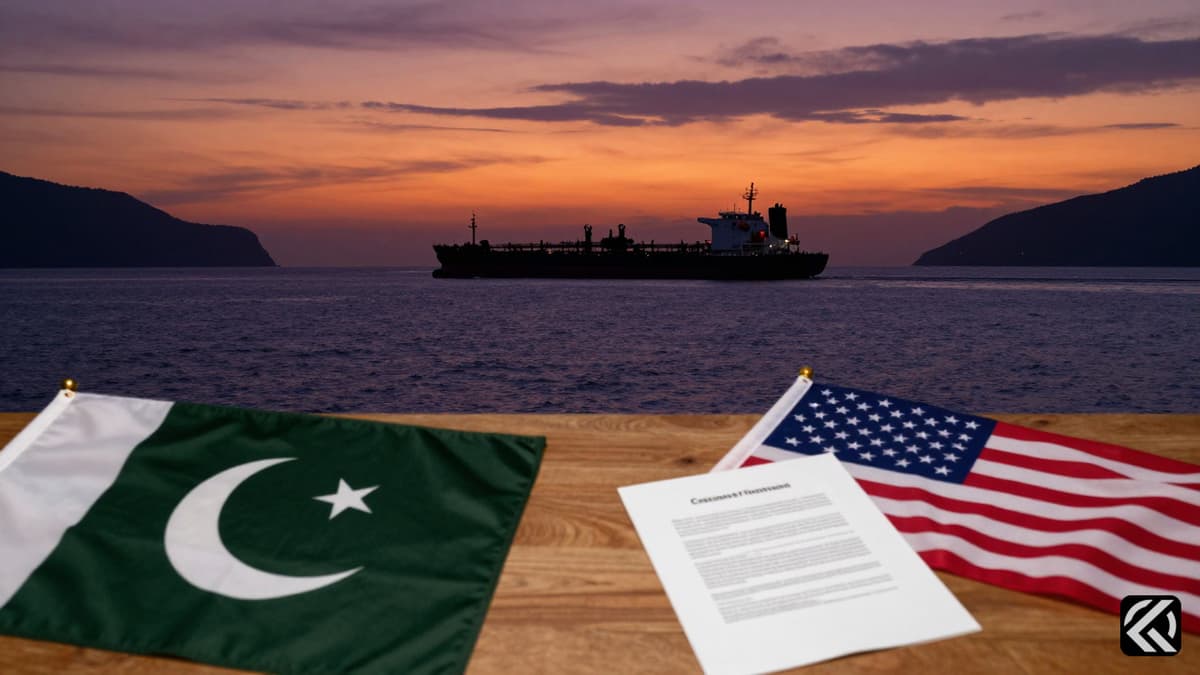
Amidst escalating tensions, President Trump warns of dire consequences for Iran before a midnight deadline, even as diplomatic efforts led by Pakistan and the Pope intensify.
President Donald Trump has declared the United States is in "heated negotiations" regarding the ongoing conflict, declining to elaborate while threatening catastrophic consequences for the region. As his imposed deadline approaches, the President stated that a "whole civilization will die tonight" should Iran not acquiesce to his demands regarding the reopening of the Strait of Hormuz.
The situation remains fluid as diplomatic channels move in conflicting directions. While the White House acknowledges a proposal for a Shehbaz Sharif ceasefire to allow negotiations to continue, reports indicate Iran has stopped even indirect talks. This creates a tense standoff where the administration seeks to delay military action on power plants and bridges, yet maintains a posture of maximum pressure through escalatory rhetoric.
The diplomatic landscape is further complicated by international bodies and religious leaders reacting to the crisis. Pope Leo XIV has explicitly labeled threats against the people of Iran as "truly unacceptable," framing the conflict as a moral issue involving international law. Simultaneously, global efforts to secure the vital shipping lane have hit a legislative snag. In a significant development, the UN Security Council failed to approve a resolution aimed at protecting shipping in the Strait of Hormuz. The draft resolution, which sought to coordinate defensive measures and escort commercial vessels, was vetoed by Iran's allies, China and Russia.
Pakistani Prime Minister Shehbaz Sharif remains a pivotal figure in these unfolding events. Sharif has proposed a two-week ceasefire, urging Iran to reopen the strait as a sign of goodwill and requesting that all parties observe a halt in hostilities to allow diplomacy to achieve a "conclusive termination of war." White House Press Secretary Karoline Leavitt confirmed that President Trump has been made aware of this proposal and that a response will eventually be issued. Sharif described the diplomatic efforts as progressing "steadily, strongly and powerfully," suggesting a potential for substantive results despite the current volatility.
However, the path to peace faces significant hurdles. Sources indicate that while the US is eager for a diplomatic solution, Iran has reportedly cut off direct diplomacy. The status of the talks was unclear as of midday, with the Wall Street Journal reporting a cessation of direct channels and the New York Times noting that even indirect talks have stopped. Despite this, administration officials and sources suggest that negotiations through intermediaries could still produce an agreement leading to a delay or reduction in the severity of military operations.
The rhetorical stance of President Trump remains aggressive. His warning that "a whole civilization will die tonight" is described by sources as a strategy designed to exert maximum pressure on the regime. While the President is prepared to follow through with ratcheted-up military operations should negotiations remain at a standoff, he has also indicated that he alone knows the precise status of the situation. This ambiguity leaves the Iranian regime with a strict 8 PM Eastern Time deadline to meet the moment and make a deal with the United States.
The human cost of the conflict has drawn sharp criticism from global leaders and community figures. Rabbi and former Iranian opposition leader Roozbeh Farahanipour, who previously celebrated the death of Ayatollah Ali Khamenei, now expresses fear regarding the President's threats. Farahanipour argues that the operation is not about the freedom of the Iranian people but rather a danger to the international civilization. He emphasizes that Iran's civilization, with its ancient libraries and universities, belongs to the Iranian people, not the regime, and warns that the current trajectory hurts the global community.
Political reactions within the United States reflect a deep divide. Senator Mitch McConnell voiced strong support for the President's actions, citing 47 years of warfare and the loss of American lives as justification for the administration's stance. Conversely, Democratic lawmakers are expressing growing anxiety about the President's next steps, particularly following the death threats issued against the Iranian population. Foreign Minister Ishaq Dar of Pakistan told his nation's Senate that while he was hopeful for peace, recent dangerous developments have dealt a serious blow to these efforts, noting that the US and Iran were close to a negotiating table before Israel's strikes and subsequent Iranian counter-attacks on Saudi energy facilities.
The convergence of an 8 PM ultimatum from President Trump, a vetoed UN resolution, and a failed direct diplomatic line suggests a high probability of escalated military action in the immediate future. If Iran does not reopen the Strait of Hormuz or reach a deal before the deadline, the administration has signaled it will proceed with attacks on power plants and bridges. The rejection of the UN resolution by Russia and China indicates that international multilateral solutions may remain inaccessible, leaving the outcome to depend on the direct interplay between Washington and Tehran. Unless a new diplomatic breakthrough occurs that overrides the reported cessation of talks, the region faces a severe humanitarian and strategic crisis with lasting impacts on global energy security and regional stability.
Jun 8, 2026 00:51 UTC
Trump Claims Iran Nuclear Deal Imminent Despite Diplomatic Fractures
Jun 8, 2026 00:47 UTC
Iran Fires Missiles at Israel After Beirut Strike
Jun 7, 2026 22:00 UTC
US, Iran Peace Hops Fade 100 Days Into War
Jun 7, 2026 20:57 UTC
Iran Strikes Israel: IRGC Promises Week of Continuous Offensive
Jun 8, 2026 02:28 UTC
Trump Walks Out of Meet the Press After Rejecting Evidence Demands


