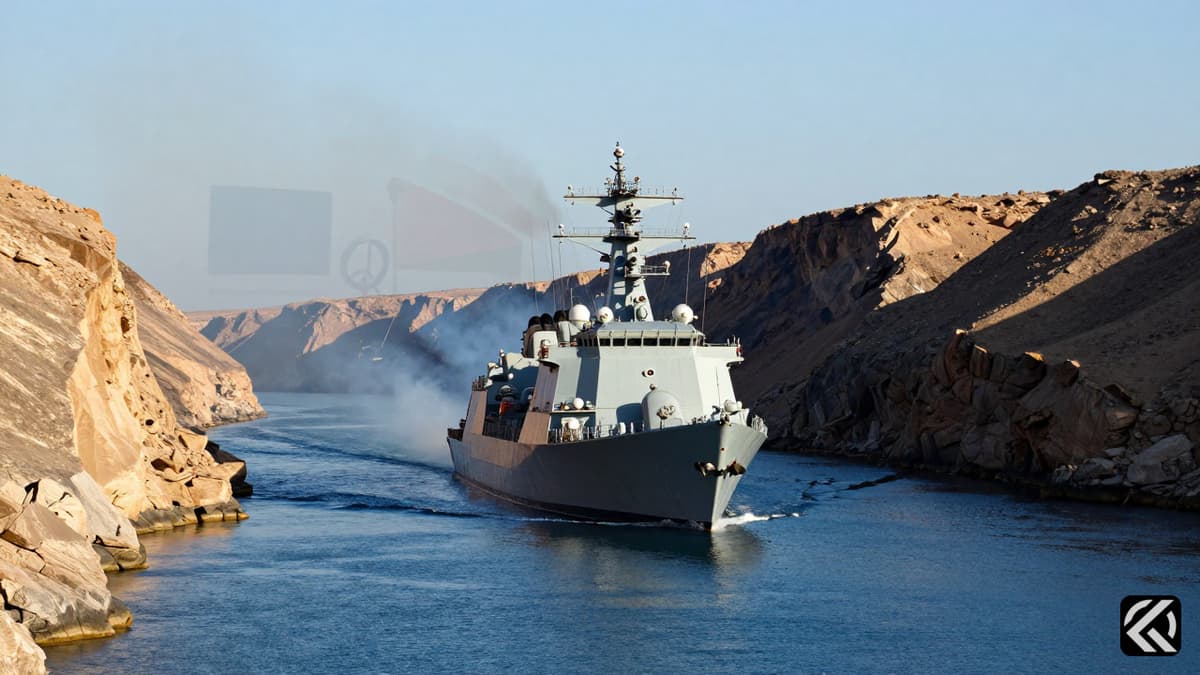
In a dramatic shift on April 7, 2026, President Trump announced a two-week suspension of airstrikes against Iran, pivoting to direct talks based on Tehran's specific demands.
U.S. President Donald Trump announced on Tuesday, April 7, 2026, that he has suspended the bombing of Iran for a two-week period to facilitate new negotiations with Tehran. This suspension is explicitly conditional on Iran reopening the Strait of Hormuz and accepting the terms of their recent diplomatic exchange. The move comes just hours before a deadline set by the President for the waterway to reopen, marking a significant pivot from the military pressure applied since the conflict began on April 5.
The decision follows high-level mediation efforts by Pakistan, which reported that all parties, including allies in Lebanon, have agreed to an immediate ceasefire on all fronts. President Trump stated that military objectives have been met and exceeded, and that a definitive agreement regarding long-term peace is now within reach. In a social media post, the President explained that the two-week pause would allow the finalization of an agreement based on Iran's 10-point proposal, which was submitted after Tehran rejected an earlier 15-point U.S. plan.
Iran's Foreign Minister Abbas Araghchi confirmed that the U.S. accepted "the entirety of Iran's 10-point proposals as a basis for negotiations." The Iran-US ceasefire is described by both sides as a mutual commitment: if attacks on the Islamic Republic cease, Iranian armed forces will also stop their defensive attacks. Furthermore, Iran pledged to ensure safe passage through the Strait of Hormuz during the truce, coordinating with its own forces to navigate existing technical limitations.
The specific terms of the Trump 10-point proposal accepted by the U.S. include no new aggression against Iran, continued Iranian control over the strait, and acceptance of enrichment rights. The proposal also demands the removal of all primary and secondary sanctions, the termination of all UN Security Council resolutions and Board of Governors resolutions, and payment of compensation to Iran. Additionally, the deal requires the withdrawal of U.S. combat forces from the region and the cessation of war on all fronts, including against the Islamic Resistance of Lebanon, also known as Hezbollah.
Pakistan Prime Minister Shehbaz Sharif, who mediated the negotiations, expressed satisfaction with the progress. He invited both delegations to Islamabad for direct talks on Friday, April 10, 2026. Mr. Sharif emphasized that the immediate ceasefire is effective now, covering Lebanon and other regional flashpoints. He extended gratitude to the leadership of both nations and expressed hope that the upcoming "Islamabad Talks" will succeed in achieving sustainable peace and resolving all outstanding disputes.
While the White House hailed the deal as a potential "golden age" for the region, the announcement came with a specific caveat regarding Israel's involvement. Israeli Prime Minister Benjamin Netanyahu's office stated that the two-week ceasefire does not cover Lebanon. However, the Israeli government noted that the United States remains committed to achieving shared goals with Israel and regional allies in the upcoming negotiations.
Iran's Supreme National Security Council declared that the country has dealt a "historic and crushing defeat" to the U.S. and Israel, arguing that Washington was forced to accept Tehran's 10-point terms. The Council emphasized that the agreement represents a complete victory for Iran's strategic demands. In response to the announcement, President Trump stated that the U.S. would help with the traffic buildup in the Strait of Hormuz, signaling a shift toward reconstruction and economic activity.
The immediate Strait of Hormuz reopening is the critical component that defines the success of this diplomatic breakthrough. This waterway, which handled one-fifth of the world's oil and gas traffic before the U.S. and Israel launched the war, is now the focal point of the truce. President Trump indicated that the United States will work with Iran to ensure the safe passage of traffic, potentially signaling a restart of commercial flows. The President predicted that this development could lead to a "golden age" where "big money will be made" and Iran can begin a reconstruction process. With the Trump 10-point proposal serving as the framework, the next two weeks will be decisive in transforming the current military standoff into a lasting peace architecture. The success of the Islamabad talks on April 10 will likely depend on how quickly the technical details of the strait's reopening are executed, setting the tone for the long-term peace agreement that both leaders claim is imminent.
Jun 8, 2026 00:51 UTC
Trump Claims Iran Nuclear Deal Imminent Despite Diplomatic Fractures
Jun 8, 2026 00:47 UTC
Iran Fires Missiles at Israel After Beirut Strike
Jun 7, 2026 22:00 UTC
US, Iran Peace Hops Fade 100 Days Into War
Jun 7, 2026 20:57 UTC
Iran Strikes Israel: IRGC Promises Week of Continuous Offensive
Jun 8, 2026 02:28 UTC
Trump Walks Out of Meet the Press After Rejecting Evidence Demands


