Donald Trump asserts victory over Iran even as diplomatic calls for peace clash with continued military escalation across the Middle East region.
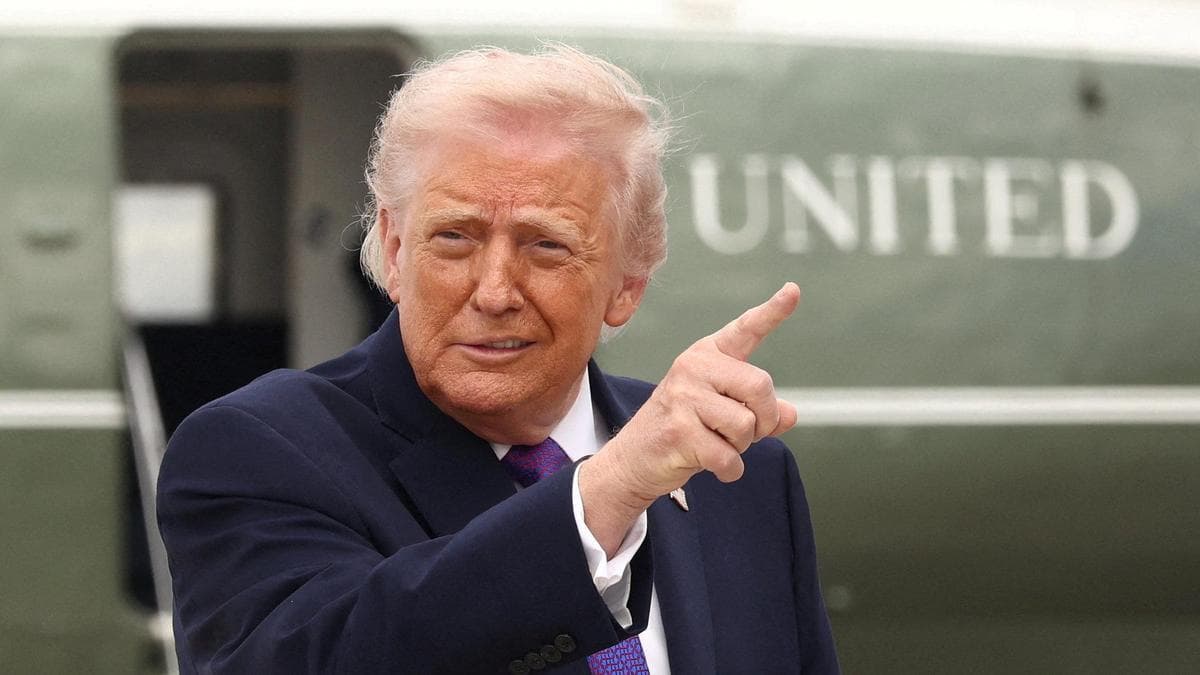
In a stunning turn of events during the escalating conflict between Iran, Israel, and the United States, President Donald Trump has declared victory while hostilities continue to rage. Speaking at a campaign-style rally in Hebron, Kentucky, on Wednesday, March 11, 2026, the US leader stated that they won the war but emphasized the need to stay in the fight to finish the job. This declaration comes amidst conflicting reports of ongoing attacks and significant diplomatic maneuvering by global powers attempting to stabilize the volatile situation.
President Trump announced that United States forces have knocked out a total of 58 Iranian naval ships, specifically mine-laying vessels. This figure represents a significant increase from earlier statements where he claimed only 28 ships were destroyed just hours prior. Despite these claims of overwhelming success, military officials maintain that operations are far from concluded. Israeli military spokesman Brigadier General Effie Defrin confirmed that the army retains a broad bank of targets and plans to expand operations to undermine the foundations of the regime. This suggests a disconnect between Washington’s public declarations of victory and the strategic reality on the ground where fresh attacks are being planned.
The conflict has severely impacted critical infrastructure and maritime trade routes. Two foreign tankers carrying Iraqi fuel oil were subjected to unidentified attacks inside territorial waters, forcing the evacuation of 25 crew members while fires continued to blaze. Additionally, oil storage facilities in Oman’s Salalah port were struck by drones, though officials claim no disruption to supply continuity has occurred. In Lebanon, Israeli strikes killed at least eight people in Tibnin and hit south Beirut repeatedly. Meanwhile, Indian missions are coordinating with local governments to assist stranded nationals as airspace closures disrupt flight operations across the region.
While military actions intensify, diplomatic channels remain active. The UN Security Council passed a resolution demanding Iran immediately halt attacks on Gulf nations, citing breaches of international law. Iranian President Masoud Pezeshkian reaffirmed a commitment to peace during talks with leaders from Russia and Pakistan, calling for reparations and guarantees against future aggression. Conversely, France’s President Emmanuel Macron warned that Iran’s military capabilities have not been reduced to zero despite considerable damage. Meanwhile, an Iranian adviser labeled Trump as Satan himself and vowed to destroy the Zionist regime, highlighting the deepening ideological divide driving the conflict forward.
The war continues to evolve with high stakes for global security and energy supplies. While the US administration signals a turning point, regional actors remain committed to their objectives through both military force and diplomatic pressure. As nations navigate this crisis, the path to lasting peace remains uncertain amidst the ongoing violence and shifting political narratives.
May 1, 2026 03:50 UTC
Trump Administration Declares Iran Conflict Terminated
Join 50,000+ readers getting the global briefing every morning.
No spam. Unsubscribe anytime.
May 1, 2026 03:50 UTC
Trump Administration Declares Iran Conflict Terminated
Apr 25, 2026 01:38 UTC
Iranian FM Araghchi Heads to Islamabad for Critical US-Iran Talks
Apr 25, 2026 01:13 UTC
Calm Suspect in Delhi Rape-Murder Case Faces Mental Evaluation
Apr 24, 2026 23:24 UTC
Raghav Chadha joins BJP, Shaking AAP’s Rajya Sabha Strength