Amidst a fragile U.S.-Iran ceasefire, Donald Trump mandates U.S. forces remain deployed near the Strait of Hormuz until a final deal is signed.
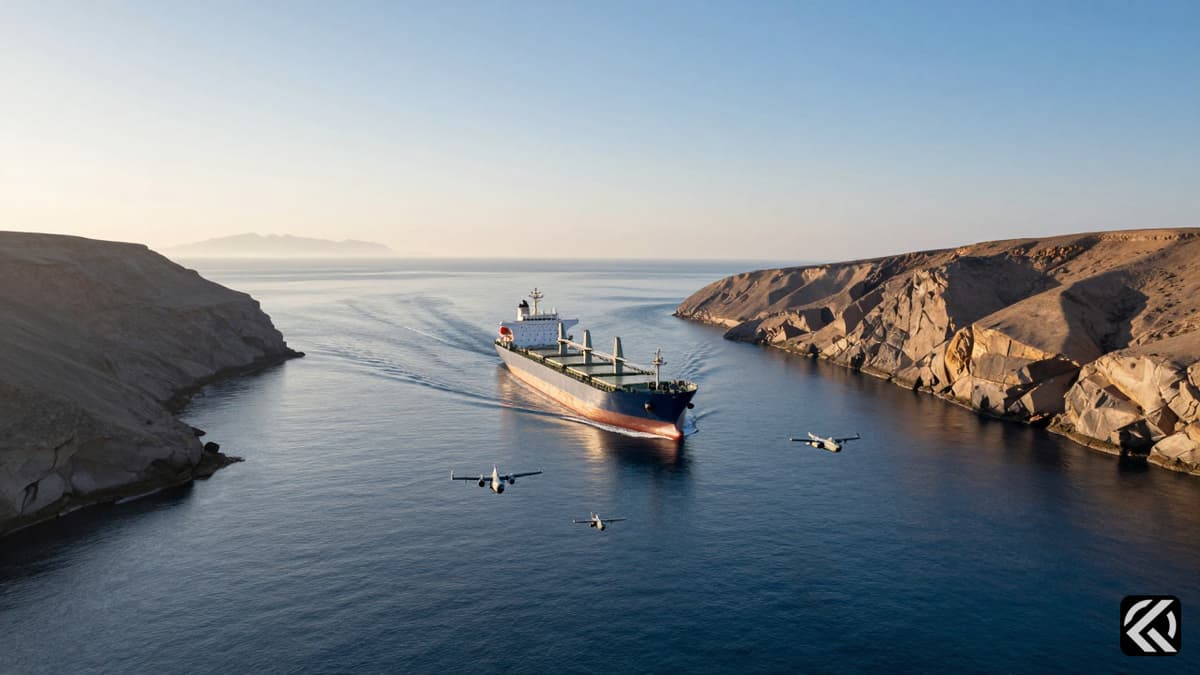
Hours after the United States and Iran declared a 14-day ceasefire early on Wednesday, April 8, 2026, marine activity surged near the Strait of Hormuz. While ship owners and charterers prepared for a potential quick exit from the region, they are now seeking greater clarity on transit terms. This is especially critical given indications that Iran continues to exercise de facto control over the vital waterway. The uncertainty has left the global shipping community looking for definitive guidance on how to proceed with operations in the area.
U.S. President Donald Trump addressed the situation late on Wednesday, declaring that U.S. military assets would remain stationed in the vicinity of Iran until a "real agreement" is reached. Speaking from his Truth Social platform, Trump outlined the extent of the continued deployment. He stated that all U.S. ships, aircraft, and military personnel, along with additional ammunition, weaponry, and other necessary supplies, would stay in and around Iran. This posture is maintained until the U.S.-Iran ceasefire conditions are fully met and a subsequent, comprehensive agreement is fully complied with. Trump emphasized the lethal capability of the deployed forces, noting they remain ready for the prosecution and destruction of an already substantially degraded enemy.
The fragile nature of the truce is further complicated by actions in Lebanon. The United Nations secretary-general issued a stark warning on Wednesday regarding ongoing Israeli military activity in the country. A spokesperson for the UN chief stated that these actions pose a "grave risk" to the stability of the truce and efforts toward lasting peace. Antonio Guterres's spokesman reiterated the call for all parties to immediately cease hostilities. The humanitarian toll in Lebanon is severe, with the Lebanese Health Ministry reporting that Israeli strikes on Wednesday alone killed 182 people and wounded 890 others.
In response to what it describes as violations of the truce, Iran-backed militant group Hezbollah announced on Thursday that it had fired rockets toward Israel. The group stated it has a "right" to respond to a deadly wave of Israeli strikes across Lebanon. Hezbollah targeted the Israeli kibbutz of Manara, located near the border with Lebanon, with a rocket barrage early Thursday. This marks the group's first attack against Israel since the United States reached a two-week ceasefire agreement with Iran. The timing of the strike follows Israel launching what is described as its biggest attack on Lebanon in this war just the previous day.
Amidst these escalating tensions, President Trump also voiced his frustration with NATO during a closed-door meeting with the alliance's Secretary-General, Mark Rutte. The discussions were expected to address Trump's anger over the military alliance's response to the Iran war. Prior to the meeting, Trump had hinted that the U.S. might consider leaving the trans-Atlantic alliance if member countries ignored his calls for help, particularly after Iran effectively shut the Strait of Hormuz, sending gas prices soaring. Following the private talks, Trump posted an all-caps comment on social media, asserting, "NATO WASN'T THERE WHEN WE NEEDED THEM, AND THEY WON'T BE THERE IF WE NEED THEM AGAIN." The White House did not immediately offer further updates on the specific outcomes of these discussions.
The path to a lasting resolution remains uncertain as diplomatic efforts clash with ongoing kinetic activity. President Trump initially demanded Iran's unconditional surrender and threatened to erase its civilization before agreeing to the two-week ceasefire and direct talks based on Tehran's 10-point peace formula. Iran has stated it will honor the truce and allow for the "safe passage" of vessels, arguing the war need not have been launched in the first place. However, the immediate future of the Strait of Hormuz remains precarious. Shippers are watching closely to see if the ceasefire holds or if the cycle of retaliation initiated by Hezbollah and the Israeli response will shatter the fragile two-week window. The international community, including the UN, continues to warn that the risk of the conflict expanding beyond the U.S.-Iran bilateral agreement is imminent. The coming days will test whether the diplomatic breakthrough can withstand the pressures of ground warfare and whether the U.S. military presence can effectively enforce the terms until a real agreement is reached.
Jun 8, 2026 04:15 UTC
Trump Urges Netanyahu to Halt Iran Strike for Peace
Join 50,000+ readers getting the global briefing every morning.
No spam. Unsubscribe anytime.
Jun 8, 2026 02:28 UTC
Trump Walks Out of Meet the Press After Rejecting Evidence Demands
Jun 8, 2026 02:17 UTC
Magnitude 7.8 Quake Shakes Philippines, Urging Immediate Evacuations
Jun 8, 2026 00:51 UTC
Trump Claims Iran Nuclear Deal Imminent Despite Diplomatic Fractures
Jun 8, 2026 00:47 UTC
Iran Fires Missiles at Israel After Beirut Strike


