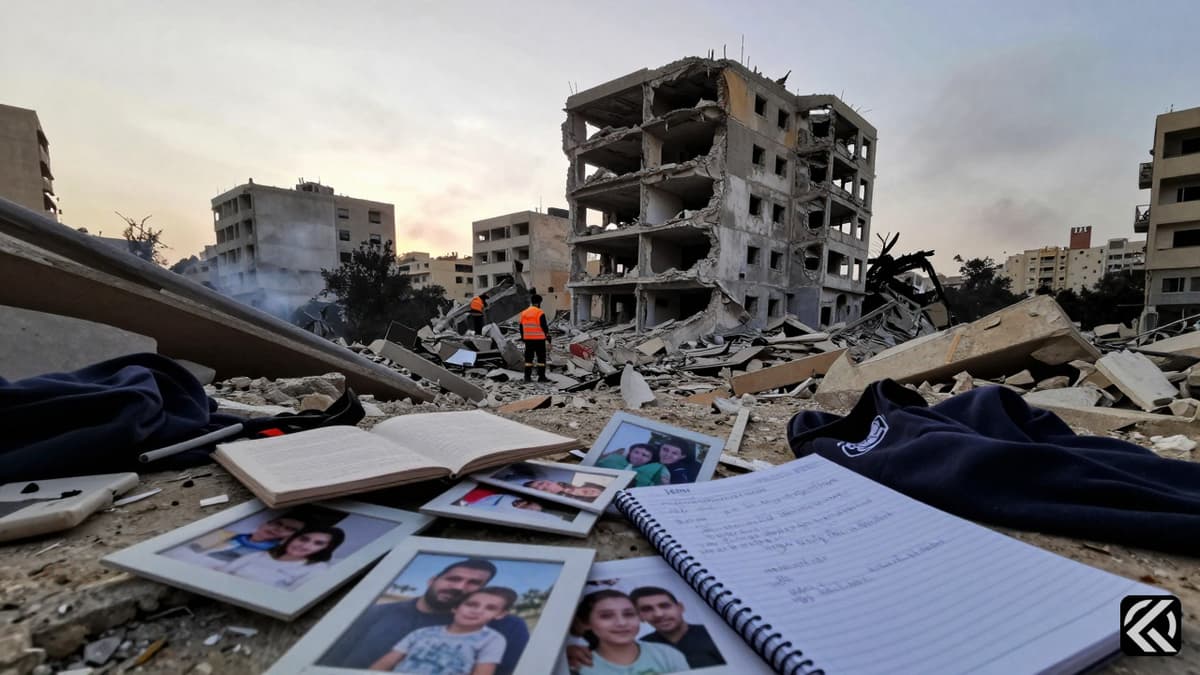
A devastating wave of Israeli air strikes across Lebanon has killed at least 182 people and wounded hundreds more, marking a severe escalation in the conflict.
In a sudden and devastating escalation of regional violence, Israel has launched a large wave of air strikes across Lebanon, resulting in the deaths of at least 182 people. The Lebanese health ministry confirmed the high casualty count, noting that the number of wounded stands at 890, with officials warning that the death toll is likely to rise further. This event, described by Israeli authorities as the largest wave of air strikes in the history of this specific conflict, occurred just hours after Israeli Prime Minister Benjamin Netanyahu's office rejected the assertion by Pakistan that the recent ceasefire deal extended to the Lebanon theater.
The scale of the military operation was immediate and concentrated. Israeli sources stated that the strikes, executed over a span of 10 minutes, hit more than 100 locations identified by the military as Hezbollah command centres and military sites. This aggressive campaign marks a significant turning point in the ongoing hostilities, which erupted earlier following Hezbollah's decision to fire rockets into Israel. These retaliatory attacks were in response to the killing of Iran's supreme leader, Ayatollah Ali Khamenei, and the near-daily Israeli bombardment that has persisted despite a ceasefire agreement brokered in November 2024.
At the epicenter of the destruction in Beirut, the human cost became visibly apparent hours after the initial waves of explosions subsided. Emergency workers were still actively searching through the damaged buildings, navigating piles of concrete and debris. Amidst the rubble, glimpses of interrupted lives remained: framed pictures of smiling families lay scattered on the ground, pieces of clothing were caught on twisted metal, and school homework that was left unfinished sat exposed. One worker, overwhelmed by the scene, told the BBC, "There was a lot of body parts here. Only people are getting harmed. What should the people do. We can't do anything."
The timing of this escalation is critical, occurring immediately after diplomatic efforts suggested a pause in hostilities between Iran and the US. However, the situation in Lebanon remains volatile. Israel has made it clear that their campaign in Lebanon is distinct from the negotiations with Iran. While military sources quoted by Israeli media recently suggested the army had no intention to advance further into Lebanese territory, they acknowledged a strategic difficulty: the inability to disarm Hezbollah by force. This admission coincides with reports that the army aims to create a security buffer zone by destroying infrastructure in villages near the border, raising fears of prolonged occupation.
The conflict has left a deep scar on the Lebanese population. According to the Lebanese health ministry, more than 1,700 people have been killed in the war so far, a figure that includes at least 130 children. The ministry notes that the statistics do not distinguish between combatants and civilians, highlighting the indiscriminate nature of the violence. The displacement crisis has been equally severe, with over 1.2 million people, or one in five of the population, forced to flee their homes. The majority of those displaced come from Shia Muslim communities, the demographic base of Hezbollah.
Villages near the border have been reduced to ruins as Israeli troops seek to dismantle Hezbollah's infrastructure. This military strategy has raised international concerns that some areas may remain under Israeli control even after a formal end to the war, potentially leaving many residents unable to return. The influx of displaced families into other communities has exacerbated existing fault lines, leading to a rise in sectarian tensions. Residents of host communities now fear becoming targets of Israeli attacks themselves, while the local population struggles with overcrowded schools turned into shelters and families sleeping in improvised tents or vehicles.
Despite facing strong criticism within Lebanon for dragging the country into a conflict many view as unwanted, and for allegedly defending the interests of its Iranian patron, Hezbollah retains significant support among Lebanese Shia. The group, which has not claimed any attacks since the deal was announced, asserted its right to respond to the latest aggression. They have issued a stark warning to displaced families: wait for a formal ceasefire announcement before attempting to return home. The group's military capabilities in this conflict have surprised some observers, as the organization was widely believed to be severely weakened following their last war. Yet, Hezbollah has frequently launched rockets and drones into northern Israel and has confronted Israeli troops on the ground in southern Lebanon.
The historical context of this violence is rooted in the decades-long struggle between the two sides. The conflict originally erupted after Hezbollah fired rockets in retaliation for the killing of Ayatollah Ali Khamenei, but it has been fueled by near-daily Israeli attacks on Lebanon that continued despite the ceasefire agreed upon in November 2024. Following the 2024 deal, the Lebanese government had announced a plan to disarm Hezbollah, an organization created in the 1980s during the Lebanese civil war. However, Hezbollah has so far refused to discuss the future of its weapons, leaving the security landscape of the region in a precarious state.
The current wave of Israel air strikes Lebanon has pushed a country already facing economic and political instability to the brink of collapse. With over a million people displaced and infrastructure decimated, the humanitarian situation is dire. While Israel may pause its ground invasion, the destruction of border villages and the failure to address the disarmament question suggest a long, uncertain future. If the strategy of creating a security buffer zone continues, many residents may never be able to return to their homes, effectively altering the demographic and political reality of southern Lebanon for years to come. The region remains volatile, with Hezbollah maintaining its stance and Israel committed to its security objectives, leaving the path to a stable ceasefire and long-term peace unclear.
Jun 8, 2026 02:17 UTC
Magnitude 7.8 Quake Shakes Philippines, Urging Immediate Evacuations
Jun 8, 2026 00:51 UTC
Trump Claims Iran Nuclear Deal Imminent Despite Diplomatic Fractures
Jun 8, 2026 00:47 UTC
Iran Fires Missiles at Israel After Beirut Strike
Jun 7, 2026 22:00 UTC
US, Iran Peace Hops Fade 100 Days Into War
Jun 8, 2026 04:15 UTC
Trump Urges Netanyahu to Halt Iran Strike for Peace


