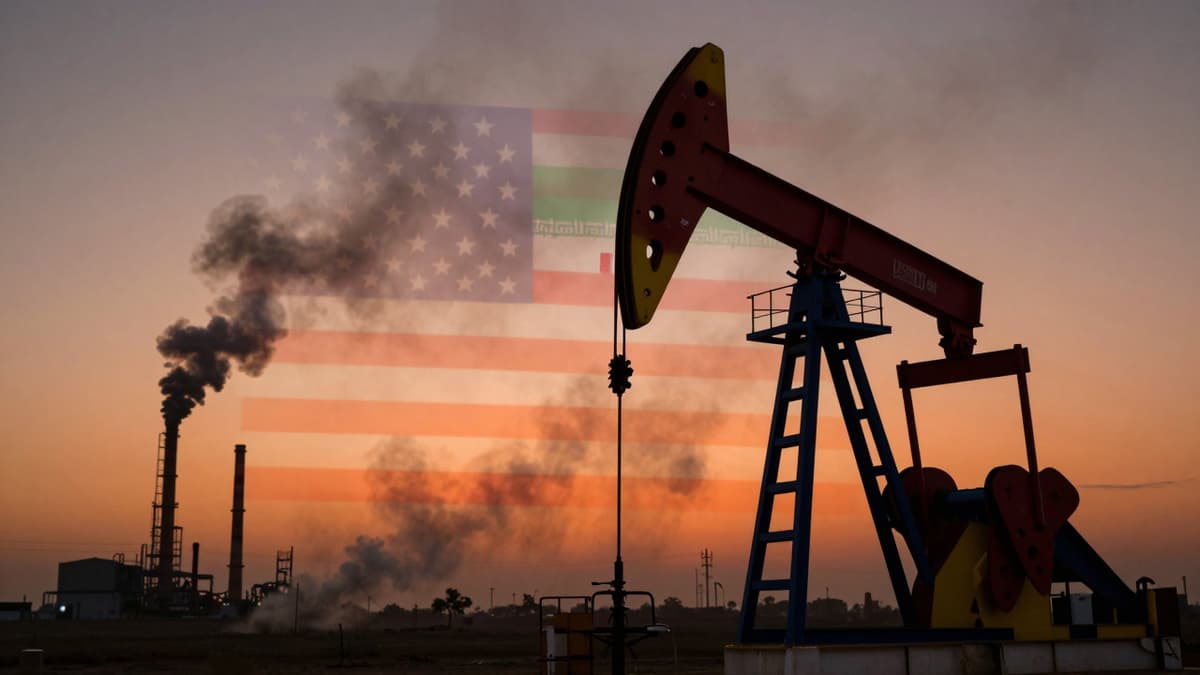
President Trump sends mixed signals on the Iran war, leaving allies and lawmakers anxious as the conflict drags on without a clear path to victory or an end.
Four weeks into the ongoing conflict, President Donald Trump's conflicting signals regarding the future of the Trump Iran war have triggered deepening frustration among GOP lawmakers and political allies. After a month of fighting, the administration appears to lack a defined endgame, leaving the nation in a state of uncertainty regarding the conflict's trajectory.
Just days after praising a potential "complete and total" resolution, the President has simultaneously expressed a desire for peace and a willingness to escalate the conflict into a more dangerous phase. This minute-by-minute vacillation has unnived not only allies but also senior aides who now admit they have little idea what will happen next. While Trump insists the war is ahead of schedule and effectively won, he has repeatedly declined to specify what would constitute a victory, leaving his inner circle largely in the dark about the administration's ultimate goals.
The White House faces a complex web of competing pressures. While Arab allies urge the administration not to leave behind an even more dangerous Iranian regime, some in the GOP are pressing for a declaration of victory to prevent voters from turning against the presidency before the November midterms. Inside the Pentagon, officials have struggled in classified briefings to detail plans for achieving key objectives, such as permanently ending Iran's nuclear ambitions or reopening the Strait of Hormuz, should the regime refuse to cooperate with US demands.
Despite Trump's push for a quick deal involving threats of strikes on critical infrastructure or a potential ground invasion, the path forward remains obscured. Interior Secretary Doug Burgum recently stated that the conflict "will be over when the president decides it'll be over," even while claiming the spike in oil and gas prices is merely "temporary." This disconnect between the President's rhetoric and the administration's actions has exposed fresh cracks within the Republican Party.
As the administration deputizes Vice President JD Vance alongside envoys Steve Witkoff and Jared Kushner to spearhead diplomatic talks, the uncertainty regarding who will speak for Iran remains a significant hurdle. Secretary of State Marco Rubio noted Friday that it is unclear who will represent the Iranians, as the US awaits a response to its opening 15-point peace proposal. The potential for these discussions to be slow-growing has only deepened the sense of instability.
Amidst the diplomatic gridlock, the economic consequences of the conflict are becoming increasingly visible. The oil price surge has continued to reach fresh highs, ignoring President Trump's assurances that the economic pain from his "little stopover" in Iran is close to finished. Following a brief retreat in markets earlier in the week driven by optimism for a diplomatic solution, the global financial landscape has intensified its warning signs.
Oil executives at a Houston energy conference warned that the supply crunch would worsen the longer the war drags on, intensifying competition for available barrels. This supply constraint has already begun to ripple across other parts of the economy, contributing to a steady decline in US stocks over the past month. The Dow Jones Industrial Average has lost more than 7% of its value, reflecting the market's growing anxiety over the conflict's duration and scope.
The administration's efforts to mitigate the war's ripple effects have drawn sharp criticism from some of its own allies. Republicans have expressed alarm over proposals to lift sanctions on Russian oil or divert US military resources from Ukraine to the Middle East. Texas Rep. Michael McCaul warned that easing pressure on Russia is not a good idea, citing active intelligence sharing between Russia and Iran and the production of Shahed drones.
The debate over ground troops has become a flashpoint for GOP lawmaker frustration. While most Republicans have publicly remained aligned with the President, many have urged him to finish the fight quickly and avoid deploying boots on the ground. Several lawmakers have warned that a ground invasion would drive a wedge through the party, prompting a push for the first formal vote to authorize military force since 2002. This legislative maneuver aims to imperil any effort to approve hundreds of billions of dollars in additional funding for the war.
Rep. Jeff Van Drew expressed the sentiment of many when he noted the need to learn from the quagmires of Vietnam, Iraq, and Afghanistan. He prayed that the US would not be drawn into a protracted war, emphasizing that the country cannot be involved in every conflict globally. Meanwhile, Rep. Brian Fitzpatrick voiced frustration over receiving information about troop movements through press reports rather than classified briefings, highlighting the lack of transparency from the administration.
White House spokeswoman Anna Kelly defended the administration's strategy, stating that Trump's "first instinct is always diplomacy." She argued that the regime's ballistic missile capacity and navy are currently being "annihilated," prompting them to beg for a deal. Kelly asserted that the President is willing to listen but warned that failure to accept the reality of the current moment would result in even harder hits.
However, the gap between the White House's narrative and the reality on the ground remains wide. Despite private indications from the President that he is eager to wrap up the war to focus on economic concerns and the approaching elections, the administration has yet to orchestrate a clean exit plan. With Trump's approval rating on the economy at a low 29%, according to a recent Reuters/Ipsos poll, the pressure to resolve the conflict before the midterm elections is mounting.
The rescheduling of a trip to China for mid-May by the White House has been interpreted by some as a soft deadline for the war's end. Yet, with the two sides appearing far apart and the Iranian leadership's representation in negotiations still undefined, the prospect of a quick resolution seems distant. The combination of rising oil prices, a shaky stock market, and internal Republican discord suggests that the administration's management of the conflict is facing a critical test. If the war continues without a clear strategy, the political and economic consequences could deepen, potentially altering the trajectory of the presidency and the nation's standing in the Middle East.
Jun 8, 2026 00:51 UTC
Trump Claims Iran Nuclear Deal Imminent Despite Diplomatic Fractures
Jun 8, 2026 00:47 UTC
Iran Fires Missiles at Israel After Beirut Strike
Jun 7, 2026 22:00 UTC
US, Iran Peace Hops Fade 100 Days Into War
Jun 7, 2026 20:57 UTC
Iran Strikes Israel: IRGC Promises Week of Continuous Offensive
Jun 8, 2026 02:28 UTC
Trump Walks Out of Meet the Press After Rejecting Evidence Demands


