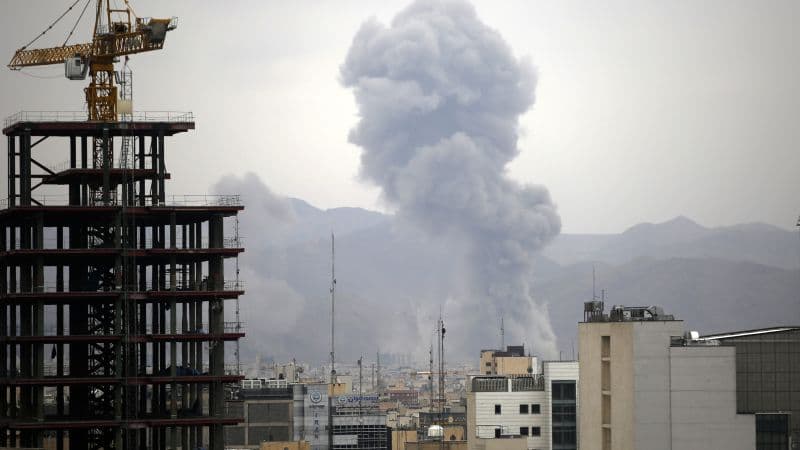
The conflict intensifies with naval mining in the Strait of Hormuz and new Russian tactical support for Tehran's drone operations.
The Middle East conflict has reached a critical juncture marked by intensified exchanges between Iran, Israel, and the United States. Casualty figures are climbing across the region while strategic maneuvers in key waterways threaten global energy markets. President Donald Trump has issued urgent demands regarding naval threats, even as diplomatic efforts continue on the sporting front.
Regional sources indicate a severe toll on civilian populations. According to a CNN tally, Iran reports over 1,300 civilians killed in US-Israeli strikes since the conflict began. The Human Rights Activists News Agency corroborates this with figures showing 1,262 civilians and 190 military personnel lost. Lebanon has suffered significantly as well, with at least 570 deaths recorded by the Disaster Risk Management Unit following Israeli strikes last week. Iraq’s Popular Mobilization Forces report 18 members killed, alongside Iranian Kurdish fighters and security personnel from the Kurdistan Regional Government. Israel itself is not immune, with Magen David Adom confirming at least 12 fatalities, including nine in a direct missile hit on a residential building in Beit Shemesh. Kuwait reports 12 deaths including US service members, and the UAE confirms six fatalities from Iranian attacks.
The economic stakes involve the world’s most important energy chokepoint. Reports indicate Iran possesses an estimated 5,000 to 6,000 naval mines. While only a few dozen have been laid recently, sources suggest Tehran retains the capacity to deploy hundreds more using its small boats and mine layers. US President Donald Trump addressed this threat on Truth Social, demanding immediate removal of any mines found in the Hormuz Strait. The potential disruption affects about one-fifth of all crude oil passing through the region. CENTCOM denied the vessel was struck, stating the missiles did not come close to the USS Abraham Lincoln despite Iranian claims.
A new dimension to the conflict involves advanced drone tactics. Western intelligence officials reveal Russia is assisting Iran with strategies derived from its war in Ukraine. Shahed drones, mass-produced by Moscow for Tehran, have successfully penetrated Gulf air defenses. This represents a shift from general targeting assistance to specific tactical advice on using waves of drones to elude defenses. Ukrainian President Volodymyr Zelensky announced Kyiv is sending interception experts to the Gulf region. Ukraine aims to deploy its own rapid-production interceptors costing $5,000 each against the $30,000 Shaheds.

Beyond the battlefield, political stability remains a concern. Rumors regarding Iran’s Supreme Leader Mojtaba Khamenei have surfaced, though his office confirms he is safe despite not being seen publicly since Sunday. Meanwhile, FIFA President Gianni Infantino met with President Trump to discuss preparations for the summer World Cup. Trump assured Infantino that the Iranian national team remains welcome in the United States, even as Mehdi Taj of Iran’s soccer federation suggests participation is doubtful. A diplomatic incident involved an Iranian soccer player granted refuge in Australia; after one athlete divulged the group's location, officials hurriedly relocated the remaining six women.
The ongoing conflict demonstrates a complex interplay of military escalation and international diplomacy. As naval mines threaten global trade and Russian tactics enhance Iranian drone capabilities, the human cost continues to mount across multiple nations. While President Trump and FIFA leaders attempt to maintain sporting relations, the security situation remains volatile with no immediate signs of de-escalation.
May 1, 2026 03:50 UTC
Trump Administration Declares Iran Conflict Terminated
Join 50,000+ readers getting the global briefing every morning.
No spam. Unsubscribe anytime.
May 1, 2026 03:50 UTC
Trump Administration Declares Iran Conflict Terminated
Apr 25, 2026 01:38 UTC
Iranian FM Araghchi Heads to Islamabad for Critical US-Iran Talks
Apr 25, 2026 01:13 UTC
Calm Suspect in Delhi Rape-Murder Case Faces Mental Evaluation
Apr 24, 2026 23:24 UTC
Raghav Chadha joins BJP, Shaking AAP’s Rajya Sabha Strength