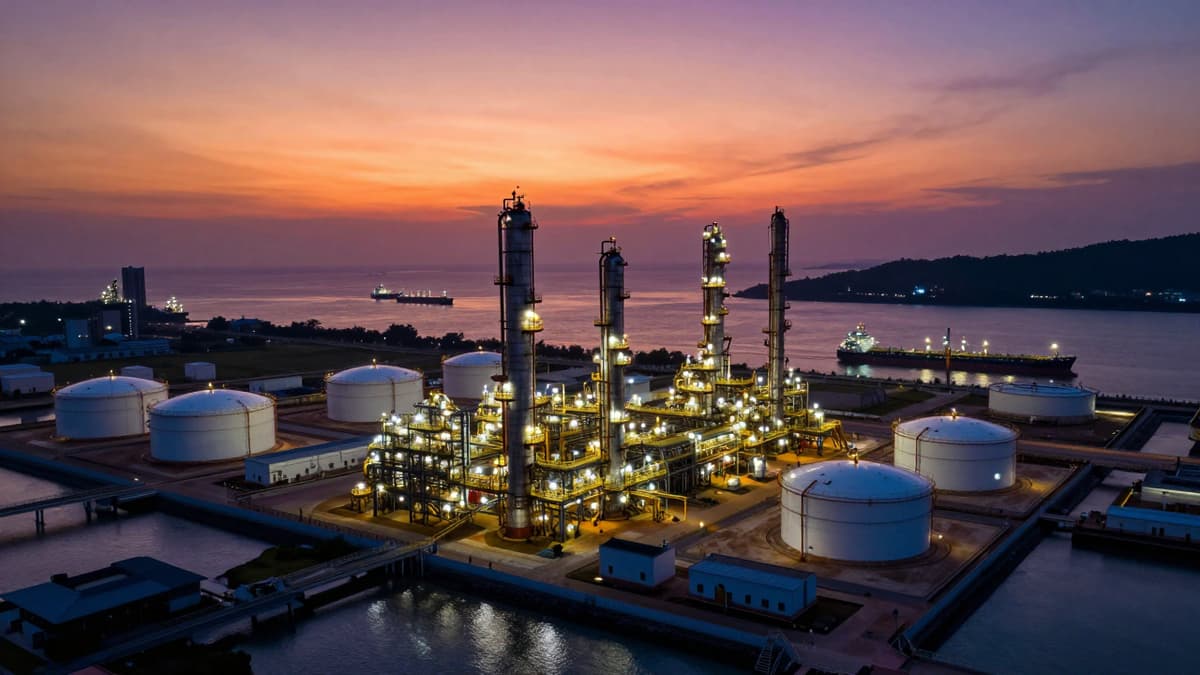
President Donald Trump delays potential attacks on Iranian energy facilities for ten days, signaling progress in diplomatic efforts while tensions remain high over the vital waterway.
In a significant development that alters the trajectory of the ongoing regional conflict, President Donald Trump has officially pushed back the deadline for potential US military strikes against Iran's energy infrastructure. The President announced in a post on Truth Social that the delay is a direct response to a request from the Iranian government, extending the pause by ten days until April 6, 2026, at 8 pm Eastern Time.
This decision follows a tense period characterized by the original 48-hour ultimatum demanding the reopening of the Strait of Hormuz. While the deadline has now been extended multiple times, President Trump emphasized that the negotiations are moving in a positive direction. He explicitly stated that talks are ongoing and are "going very well," countering narratives from media outlets he labeled as "Fake News Media."
The diplomatic maneuvering is being closely watched by international observers, particularly as US envoy Steve Witkoff has indicated that there are "strong signs" Tehran could be open to a deal. According to Witkoff, Washington has transmitted a 15-point proposal to Iran through intermediaries based in Pakistan, a move described as a potential turning point in the crisis. Iran has reportedly engaged with these efforts via backchannels and is currently awaiting a formal US reply to their counter-proposals.
The substance of the current diplomatic standoff is becoming clearer through various reports. According to Iran's Tasnim News Agency, Tehran's response to the US proposal includes demands that go significantly further than the initial American offer. Specifically, Iranian officials are calling for a complete cessation of US and Israeli strikes, financial reparations, and the formal recognition of Iran's authority over the critical Strait of Hormuz.
The strategic importance of this waterway cannot be overstated. The original ultimatum was predicated on the necessity of reopening the Strait of Hormuz, a global chokepoint for oil transit. President Trump's decision to pause the destruction of energy plants suggests a calculation that diplomatic pressure might achieve the objective of reopening the waterway more effectively than immediate kinetic action, although he maintained that Iran sought a deal only after facing heavy military pressure.
Speaking at the White House, President Trump alternated between expressions of threat and optimism. He reiterated his stance that Iran desires a resolution but only after enduring significant military pressure. During these remarks, the President also floated the possibility of the US taking control of Iran's oil resources, drawing direct comparisons to past actions taken in Venezuela. This rhetoric underscores the high stakes and the potential economic leverage the US intends to utilize in the coming days.
The conflict's impact extends beyond the immediate US-Iran dynamic, causing ripple effects in allied nations as well. Israeli opposition leader Yair Lapid has voiced strong concerns regarding the current state of affairs. Lapid warned that the ongoing conflict is stretching Israel's military capacity to its limits. He heavily criticized his own government for pushing the nation into a multi-front war without adequate planning or sufficient resources to sustain such a prolonged engagement.
Israeli military spokesperson Effie Defrin has echoed these concerns regarding resource allocation. Defrin highlighted the urgent need for additional troops, specifically emphasizing the requirement for more personnel along the Lebanese front as military operations expand. This strain on Israel's military resources adds a layer of complexity to the situation, suggesting that while diplomatic talks between Washington and Tehran pause the immediate threat of energy plant destruction, the broader regional security situation remains volatile and resource-intensive.
The interplay between the ten-day pause and the escalating demands from Tehran creates a precarious window of opportunity. The US 15-point proposal, delivered through Pakistani intermediaries, remains a central pillar of the current diplomatic track. The success of US-Iran negotiations now hinges on whether the gaps between the US proposal and Iran's counter-demands regarding strikes, reparations, and sovereignty can be bridged within this extended timeframe.
The current diplomatic pause serves as a critical test for the viability of US-Iran negotiations. As the Trump Iran deadline approaches on April 6, the world watches to see if the "strong signs" of openness noted by Steve Witkoff can translate into a tangible agreement. If the talks succeed, the immediate threat to energy infrastructure and the vital Strait of Hormuz could be averted through diplomatic channels rather than military confrontation.
However, the failure to reach a consensus within this window could result in a rapid escalation. The demands from Tehran, which include an end to strikes and reparations, represent a significant departure from the initial US position. Furthermore, the domestic political pressure in Israel, highlighted by Yair Lapid and Effie Defrin, suggests that regional allies are already struggling to cope with the multi-front nature of this conflict. If the diplomatic track stalls, the military pressure described by President Trump may be reintensified, potentially reshaping the geopolitical landscape of the Middle East in a manner that mirrors the strategic shifts seen in previous decades.
Jun 8, 2026 00:51 UTC
Trump Claims Iran Nuclear Deal Imminent Despite Diplomatic Fractures
Jun 8, 2026 00:47 UTC
Iran Fires Missiles at Israel After Beirut Strike
Jun 7, 2026 22:00 UTC
US, Iran Peace Hops Fade 100 Days Into War
Jun 7, 2026 20:57 UTC
Iran Strikes Israel: IRGC Promises Week of Continuous Offensive
Jun 8, 2026 02:28 UTC
Trump Walks Out of Meet the Press After Rejecting Evidence Demands


