President Trump extended his ultimatum to Iran, setting a new deadline for an agreement to reopen the Strait of Hormuz or face devastating attacks on power plants.
U.S. President Donald Trump appeared to extend his deadline for Iran on Sunday, April 5, 2026, demanding a deal to reopen the vital Strait of Hormuz shipping lane. He announced the new window on his Truth Social platform, specifying the deadline as Tuesday at 8:00 P.M. Eastern Time. If Tehran fails to reach an agreement by 0000 GMT Wednesday, the President threatened devastating attacks on the country's critical infrastructure, including power plants and bridges.
This extension follows a dramatic period where Iran effectively blocked the shipping lane since the start of the U.S.-Israeli bombing campaign on February 28. Trump, who has held no public events since addressing the nation on Wednesday, April 1, confirmed the timing through an interview with The Wall Street Journal. He emphasized the severity of the situation, stating that if Iran does not act, the country could face two decades of reconstruction. The President made it clear during these interviews that without a deal, the U.S. would destroy the nation's capabilities.
Following the rescue of a U.S. airman and an expletive-laden ultimatum, the President engaged in a series of interviews to solidify his position. He told Fox News there is a "good chance" of a deal being reached on Monday, April 6, noting that negotiations are currently underway. Trump reiterated that if no deal is made quickly, he is "considering blowing everything up and taking over the oil." In this same interview, he asserted that he had granted Iranian negotiators "immunity from death" and that they had already conceded that Tehran would not pursue nuclear weapons.
The issue of nuclear capability has been central to the Trump nuclear ultimatum. Trump told the Wall Street Journal that the point of not developing nuclear weapons is "so easy" and that it is "already been conceded." He stated that most points in the agreement have already been settled, indicating a significant shift in the diplomatic landscape if these concessions hold true. However, the threat remains that without a formal agreement, there is "very little" the U.S. would consider off-limits in terms of action, as warned during an interview with ABC News where he predicted the conflict should end in days, not weeks.
The conflict has also involved complex efforts to support opposition within Iran. Trump told Fox News that the United States attempted to send weapons to Iranian protesters opposing the cleric-run government through Kurdish intermediaries. Demonstrations over the high cost of living and punishing sanctions had erupted in December, eventually escalating into deadly anti-government rallies that were crushed by force. Trump claimed, "We sent guns to the protesters, a lot of them," and suggested the Kurds took the weapons.
However, this claim faces direct contradiction from regional authorities. A top official in Iraqi Kurdistan told AFP late last month that Washington had not armed Iranian Kurdish opposition groups exiled in the autonomous region. Qubad Talabani, the deputy Prime Minister of autonomous Iraqi Kurdistan, explicitly stated, "We have not seen any attempts by the United States, any branch of the United States, to arm Iranian opposition groups in Kurdistan." This discrepancy highlights the fog of war and conflicting narratives surrounding the support for internal Iranian resistance.
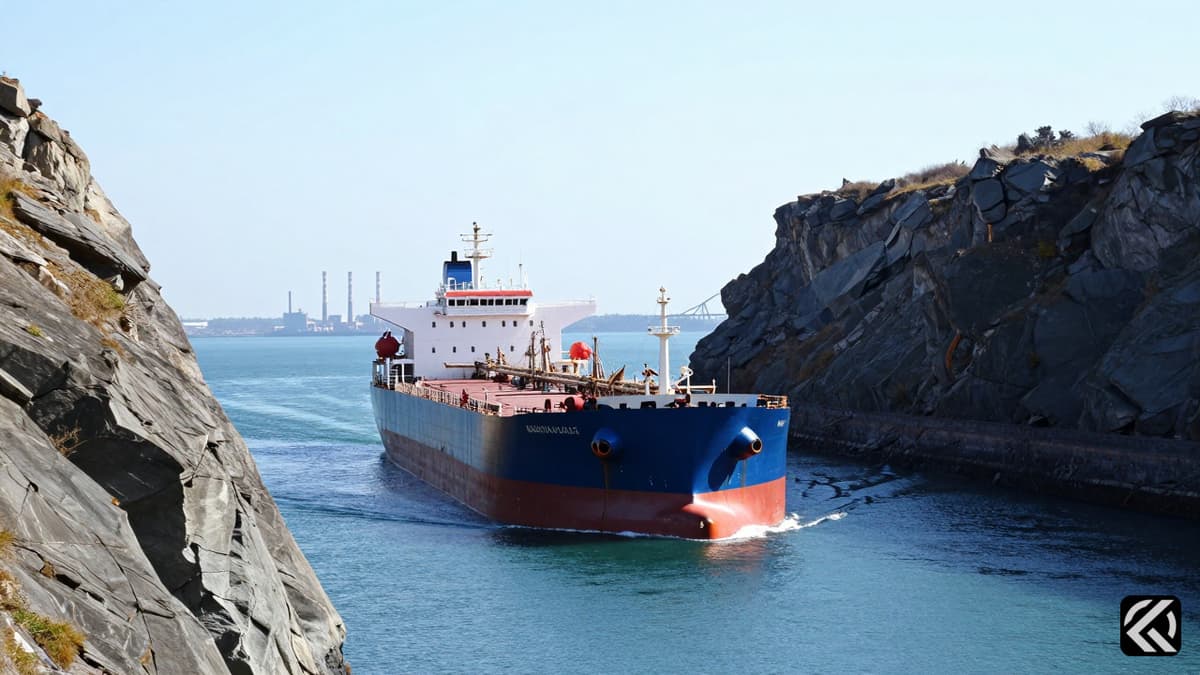
The President's rhetoric regarding the strategic waterway remains the focal point of the immediate crisis. The Strait of Hormuz remains a vital route for the world's oil and gas, and its blockage by Iran has fueled the intensity of the U.S. response. The President's threat to destroy power plants and bridges represents a significant escalation, moving beyond diplomatic pressure to the potential physical dismantling of a nation's economic and industrial backbone. The tension is palpable as the world waits for the Tuesday deadline to see if a diplomatic resolution is achieved or if the U.S. proceeds with its stated threats of infrastructure destruction.
The potential consequences of the deadline's outcome extend far beyond immediate military action. If the U.S. proceeds with attacks on power plants and bridges as threatened, the reconstruction could take decades, as Trump warned. The conflict has already seen the U.S. and Israel launch a bombing campaign since late February, suggesting a prolonged period of hostilities. The disagreement over the arming of Kurdish groups further complicates the geopolitical landscape, with Washington and regional Kurdish officials presenting opposing accounts of ground support.
Looking forward, the situation hinges on the immediate negotiation status. Trump's assertion that Iranian negotiators have conceded the nuclear point and received immunity suggests a potential path to de-escalation. However, his continued threats of taking over oil and destroying infrastructure indicate a fallback plan if diplomacy fails. The window for a deal is closing rapidly, with the President emphasizing that the conflict should end in days. Should the Trump nuclear ultimatum lead to a comprehensive agreement, the Strait of Hormuz could reopen, stabilizing global energy markets. Conversely, if negotiations stall, the region faces the prospect of severe infrastructure damage and a prolonged, intense Iran-U.S. conflict with lasting economic and strategic repercussions for the global community.
Jun 8, 2026 00:51 UTC
Trump Claims Iran Nuclear Deal Imminent Despite Diplomatic Fractures
Jun 8, 2026 00:47 UTC
Iran Fires Missiles at Israel After Beirut Strike
Jun 7, 2026 22:00 UTC
US, Iran Peace Hops Fade 100 Days Into War
Jun 7, 2026 20:57 UTC
Iran Strikes Israel: IRGC Promises Week of Continuous Offensive
Jun 8, 2026 02:28 UTC
Trump Walks Out of Meet the Press After Rejecting Evidence Demands


