Kuwait's ministries complex faced a hostile drone strike attributed to Iranian aggression on April 4, 2026. No casualties were reported as air defenses intercepted the threat.
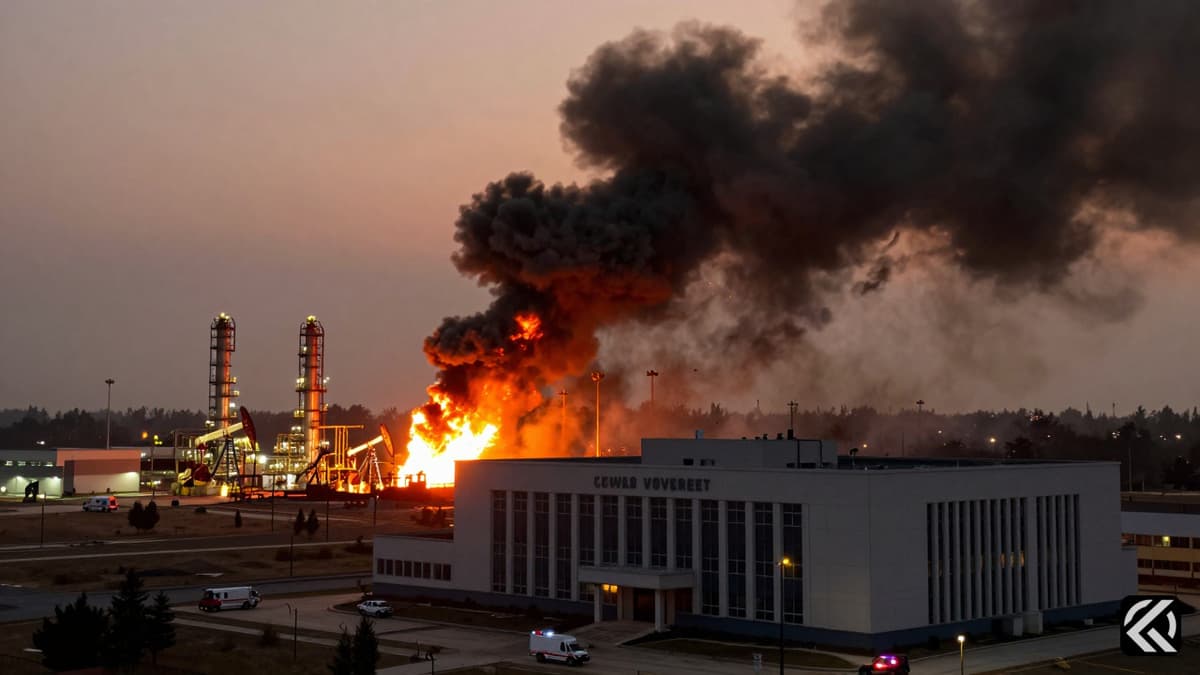
The Kuwaiti capital witnessed a significant security breach on the evening of April 4, 2026, as a hostile drone targeted the ministries complex and the nearby Shuwaikh oil sector. The attack, characterized by the Ministry of Finance as a direct result of unjust Iranian aggression, caused significant material damage to the government building while sparking flames in the oil facility. Despite the severity of the strike, authorities have confirmed that no casualties have been reported so far, with emergency teams arriving on the scene immediately to manage the aftermath in accordance with approved security procedures.
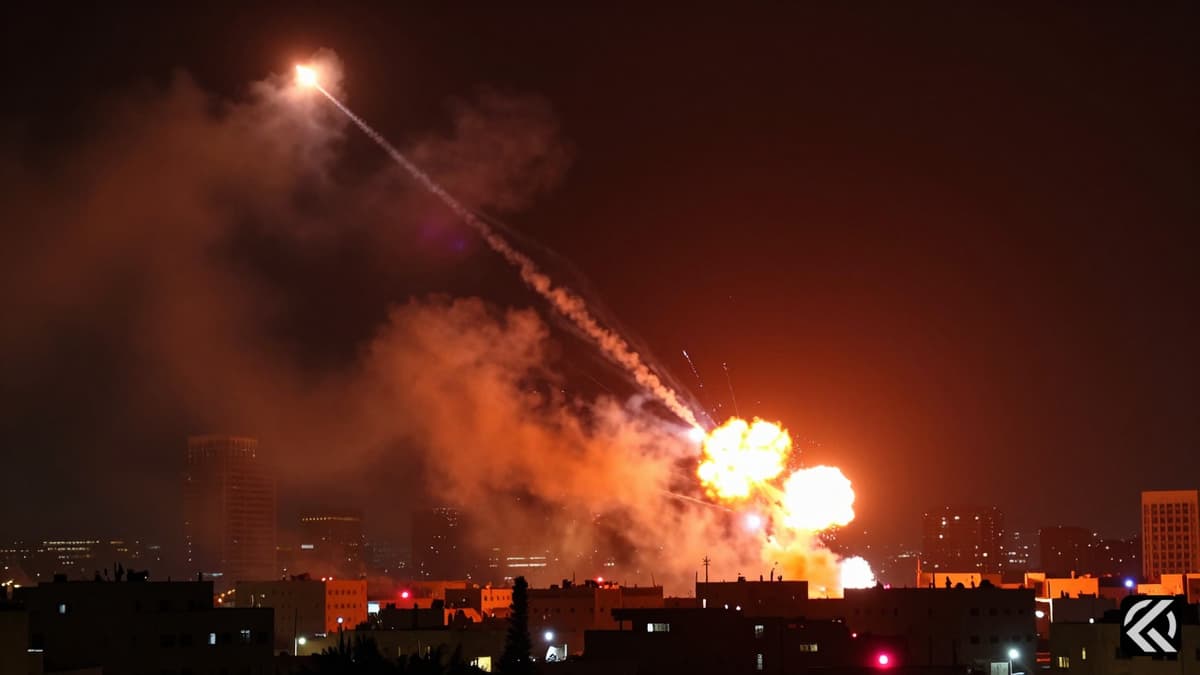
The origins of this escalation trace back to the February 28 strikes conducted by the United States and Israel, which have since ignited a broader regional conflict. In retaliation for these initial strikes, Iran has pressed on with its offensive across the Gulf, targeting critical infrastructure in allied Gulf states. During this period of heightened tension, Kuwaiti military forces engaged their air defense systems to intercept incoming threats. The army explicitly stated on X that its systems were actively responding to hostile missile and drone threats, noting that any explosions heard by the public were the result of successful air defense interceptions rather than unmitigated strikes.
The official statement released by the Ministry of Finance via the platform X provides a detailed account of the incident. It specifies that the Ministries Complex building in Kuwait City was the primary target on Saturday evening, April 4, 2026. The ministry's declaration emphasizes that the attack was not an isolated incident but a consequence of the ongoing unjust Iranian aggression. While the visual evidence of the attack shows flames erupting from a part of the Shuwaikh oil sector complex, the official response highlights the resilience of the nation's emergency protocols. The finance ministry expressed relief that there were no human injuries, stating, "praise be to God," while affirming that all relevant authorities had responded immediately.
The timing and nature of this Kuwait drone attack suggest a coordinated effort to destabilize the region in response to previous Western actions. As Gulf states, including Kuwait, have come under repeated Iranian attacks, the defensive posture of the nation has been tested. The Kuwaiti army's assertion that their air defenses were actively intercepting threats indicates a complex battle between offensive drones and defensive missile systems. This dynamic highlights the fragility of the current security situation, where even major government buildings and critical energy infrastructure are within the reach of hostile actors.
The implications of this strike extend beyond the immediate physical damage. The targeting of the ministries complex, a hub of government administration, alongside the Shuwaikh oil sector, signals an attempt to disrupt both governance and economic stability. The fact that the Ministry of Finance felt compelled to address the attack directly on social media underscores the gravity of the situation. The official narrative frames the event not just as a security failure but as an act of aggression that requires a collective regional response. As the conflict continues, the interception of missiles and drones remains a critical component of the defense strategy employed by Kuwait to protect its citizens and infrastructure.
The ongoing nature of this conflict suggests that the initial skirmishes have evolved into a sustained period of tension. The reference to "unjust Iranian aggression" in official communications reflects the diplomatic stance taken by Kuwait, positioning the country as a victim of unprovoked attacks. This rhetoric is likely to influence future diplomatic efforts and potentially shape the response from international allies, particularly the United States, which had participated in the initial February strikes. As the region navigates this crisis, the focus remains on maintaining the safety of civilians while ensuring that critical national assets remain operational despite the hostile environment.
The immediate aftermath of the strike reveals a tense security landscape where air defense capabilities are under constant strain. While the interception of threats has prevented further casualties, the material damage to key infrastructure indicates that the offensive strategy of the aggressors is effectively bypassing some defensive layers. As the regional conflict broadens, the potential for future attacks on critical economic zones like the Shuwaikh oil sector remains high. The reliance on emergency response teams and the active stance of air defenses suggests that Kuwait is preparing for a prolonged period of heightened alertness. If the pattern of retaliatory attacks continues following the initial US-Israeli strikes, the stability of the entire Gulf region could face further erosion, necessitating more robust diplomatic and military coordination to restore security.
Jun 8, 2026 00:51 UTC
Trump Claims Iran Nuclear Deal Imminent Despite Diplomatic Fractures
Jun 8, 2026 00:47 UTC
Iran Fires Missiles at Israel After Beirut Strike
Jun 7, 2026 22:00 UTC
US, Iran Peace Hops Fade 100 Days Into War
Jun 7, 2026 20:57 UTC
Iran Strikes Israel: IRGC Promises Week of Continuous Offensive
Jun 8, 2026 02:28 UTC
Trump Walks Out of Meet the Press After Rejecting Evidence Demands