Global oil markets face volatility as the United States and its allies announce emergency measures to stabilize prices during escalating hostilities with Iran.
The global economic landscape faces significant turbulence as the United States and its closest allies have announced coordinated steps designed to ease rising oil prices. This announcement comes as a war with Iran continues to create widespread chaos in the global oil market, driven by ongoing missile attacks throughout the region. The situation has prompted immediate action from energy regulators and government leaders alike to mitigate the impact on consumers and industries dependent on stable fuel supplies.
The International Energy Agency, comprising 32 member nations, reached a consensus on Wednesday to collectively release 400 million barrels of oil from their emergency reserves. This massive injection is intended to help control the surge in prices caused by supply disruptions. Following this decision, President Trump stated that the United States would also tap its Strategic Petroleum Reserve, although he did not specify the exact volume that would be released during his announcement. These measures are critical as the conflict threatens the stability of energy markets worldwide.
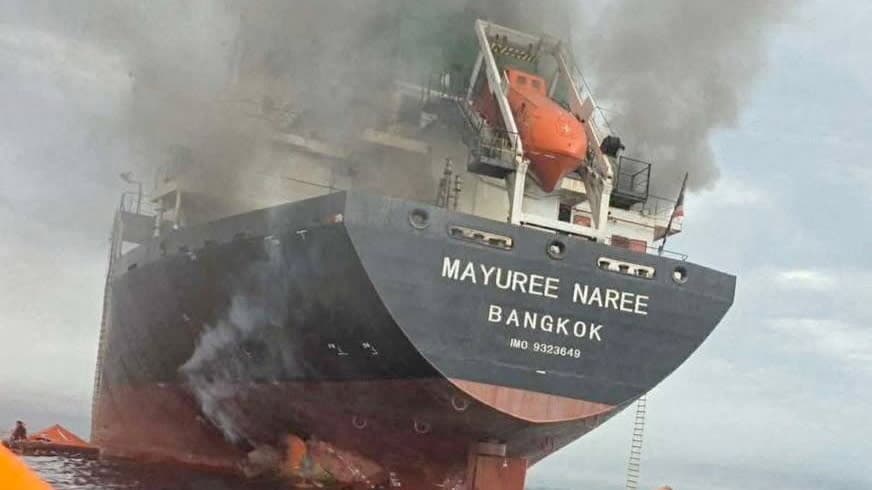
The root of the current crisis lies in the Strait of Hormuz, a waterway vital to the world’s oil supply. On Wednesday, three ships were struck by unknown projectiles near this narrow passage. Maritime security agencies confirmed that ship traffic through the strait has effectively come to a halt. This blockade dramatically reduces the global supply of oil, creating immediate pressure on prices. President Trump had previously warned that the United States would intensify its bombardment if Iran continues to block shipments through this critical choke point, highlighting the strategic importance of maintaining open shipping lanes for global commerce.
Violence has intensified across the region as the joint U.S.-Israeli bombardment of Iran’s capital continued with more explosions reported in Tehran. Israel also launched additional strikes into Lebanon as part of its ongoing battle with Hezbollah, an Iran-backed militia group. Meanwhile, Iran carried out retaliatory attacks on its neighbors, including Iraq, Qatar, and the United Arab Emirates. The conflict has expanded rapidly since the U.S.-Israeli strikes began on February 28, creating a volatile security environment across multiple borders.
The human cost of this escalating war continues to rise, drawing intense scrutiny regarding military operations and intelligence accuracy. Reports suggest that a strike on a Tehran elementary school may have been the result of faulty U.S. intelligence after killing more than 170 people, mostly children. This incident has intensified scrutiny of the U.S. military’s purported role in the attack.
The death toll reflects the severity of the conflict. At least 1,300 people have been killed in Iran since the strikes began. In Lebanon, more than 570 people have been killed, while at least 12 individuals have died in Israel, according to officials in those countries. American forces are also suffering losses; seven U.S. service members have died in the war, according to U.S. Central Command. The Pentagon reported that 140 U.S. troops have been wounded in the ongoing conflict, including eight American service members who were severely injured.
The conflict between the United States and Iran has triggered both a humanitarian crisis and an economic emergency. While military operations continue across the Middle East, including strikes in Tehran, Lebanon, and against regional partners, global markets are reacting to the disruption of vital oil shipping lanes. The release of emergency reserves offers a temporary buffer for rising prices, but the underlying violence and intelligence concerns remain unresolved as the death toll climbs.
May 1, 2026 03:50 UTC
Trump Administration Declares Iran Conflict Terminated
Join 50,000+ readers getting the global briefing every morning.
No spam. Unsubscribe anytime.
May 1, 2026 03:50 UTC
Trump Administration Declares Iran Conflict Terminated
Apr 25, 2026 01:38 UTC
Iranian FM Araghchi Heads to Islamabad for Critical US-Iran Talks
Apr 25, 2026 01:13 UTC
Calm Suspect in Delhi Rape-Murder Case Faces Mental Evaluation
Apr 24, 2026 23:24 UTC
Raghav Chadha joins BJP, Shaking AAP’s Rajya Sabha Strength