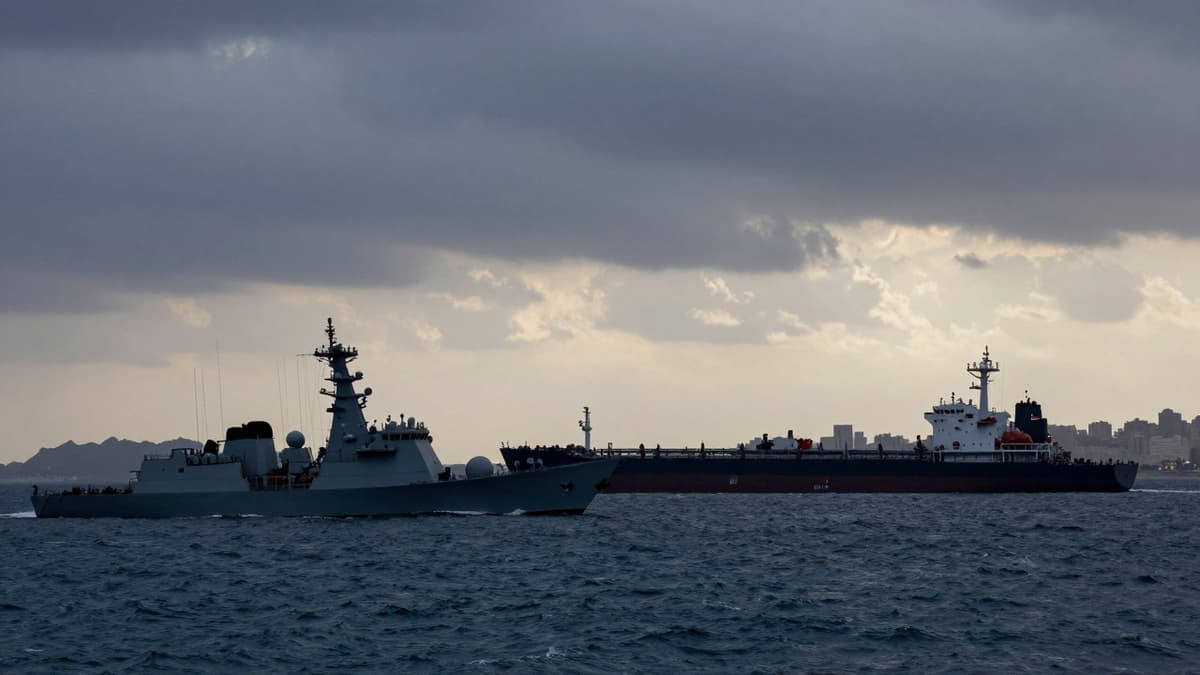
President Trump announces Iran has requested a ceasefire, but insists the US will not stop fighting until the strategic Strait of Hormuz is fully open and cleared of obstruction.
President Donald Trump declared on Wednesday that Iran's new leadership has approached the United States seeking a ceasefire, describing the new president as "much less radicalized" and "far more intelligent" than predecessors. However, the US President made it clear that any agreement hinges entirely on the reopening of the strategically vital Strait of Hormuz. In a post on Truth Social, Trump stated that the US will continue to "blasts Iran into oblivion" until the passage is free, threatening to return the nation to the Stone Ages if demands are not met.
This aggressive rhetoric follows earlier statements suggesting the US might soon exit the conflict, with Trump indicating a withdrawal could occur within two weeks. While emphasizing that a deal is not strictly required, he stressed that the primary objective remains ensuring Tehran cannot rapidly develop a nuclear weapon. Trump also clarified that the US will not assume responsibility for securing the strait, assigning this duty to France and other nations using the passage. These comments come after NATO allies refused to support Washington's call to deploy forces to the critical oil transit route, which handles nearly 20% of global oil flows.
Trump's frustration with European allies was palpable as he urged countries like the United Kingdom to buy US jet fuel and "build up some delayed courage" to secure their own energy supplies. He warned that the USA would no longer be there to help, telling them to "get your own oil." The President further shocked observers by stating that leaving NATO is now "beyond reconsideration," dismissing the alliance as a "paper tiger" that Vladimir Putin understands well. This shift in posture marks a significant potential reshape of US alliances as the conflict continues to drive volatility in global energy markets.
The refusal of NATO allies to deploy forces to secure the Strait of Hormuz has directly led to a more isolated stance by the Trump administration. With nearly 20% of global oil flowing through the strait, its closure has already caused significant volatility in energy markets, a situation that Washington is now willing to let unfold rather than intervene militarily. Trump's instruction to European nations to "go to the Strait and just take it" suggests a transfer of burden from American military power to regional and European powers, contingent on their willingness to fight for their own interests. The President's assertion that the US will leave "very soon" implies a strategic pivot away from direct enforcement of global trade routes in favor of a more transactional approach to security.
The core of the current diplomatic stalemate rests on the reopening of the waterway. Trump's condition that the Strait of Hormuz must be open, free, and clear before any ceasefire consideration is viable indicates that the conflict's resolution is tied directly to the restoration of global trade flows. If the strait remains blocked, the US threatens continued destructive action, a stance that could escalate tensions in the short term despite the promise of a potential exit. The new Iranian leadership's reported request for a pause suggests a potential opening for negotiation, yet the US demands remain absolute regarding the security of the passage.
The potential long-term impact of this shift is a realignment of global security responsibilities. With Trump stating that leaving NATO is "beyond reconsideration," the US may withdraw from its traditional role as the guarantor of European and Asian energy security in the Persian Gulf. This could force European and Asian nations to develop independent defense capabilities for the strait, fundamentally altering the geopolitical landscape of the Middle East. The immediate future will likely be defined by the tension between the US's desire to exit the conflict and the practical necessity of keeping global oil flowing. If the new Iranian regime is indeed "less radicalized," as claimed, the window for a diplomatic resolution might be narrowing, dependent on the ability of US adversaries to comply with the demand for a free passage.
President Trump's declaration that the US will leave the conflict within two to three weeks marks a decisive shift in American foreign policy regarding the Middle East. By refusing to secure the Strait of Hormuz and labeling NATO a "paper tiger," the administration is effectively demanding that allies take full responsibility for regional security and energy supply chains. If the Iran ceasefire request leads to an open passage, a rapid withdrawal could stabilize the region without further US military entanglement, provided the strait remains open. However, failure to secure the route could result in prolonged disruption to global oil markets, forcing nations to rely more heavily on US energy exports while they "fight for themselves." The ultimate outcome will depend on whether the new Iranian leadership can or will comply with the demand to clear the strait, a factor that determines whether the US exits the conflict on its terms or is forced to remain engaged by the consequences of a blocked trade route.
Jun 8, 2026 02:17 UTC
Magnitude 7.8 Quake Shakes Philippines, Urging Immediate Evacuations
Join 50,000+ readers getting the global briefing every morning.
No spam. Unsubscribe anytime.
Jun 8, 2026 02:17 UTC
Magnitude 7.8 Quake Shakes Philippines, Urging Immediate Evacuations
Jun 8, 2026 00:51 UTC
Trump Claims Iran Nuclear Deal Imminent Despite Diplomatic Fractures
Jun 8, 2026 00:47 UTC
Iran Fires Missiles at Israel After Beirut Strike
Jun 7, 2026 22:38 UTC
Congress Party Claims Unity for INDIA Bloc Delhi Meeting


