Conflicting reports emerge following US military action against Iranian naval assets in a critical global waterway.
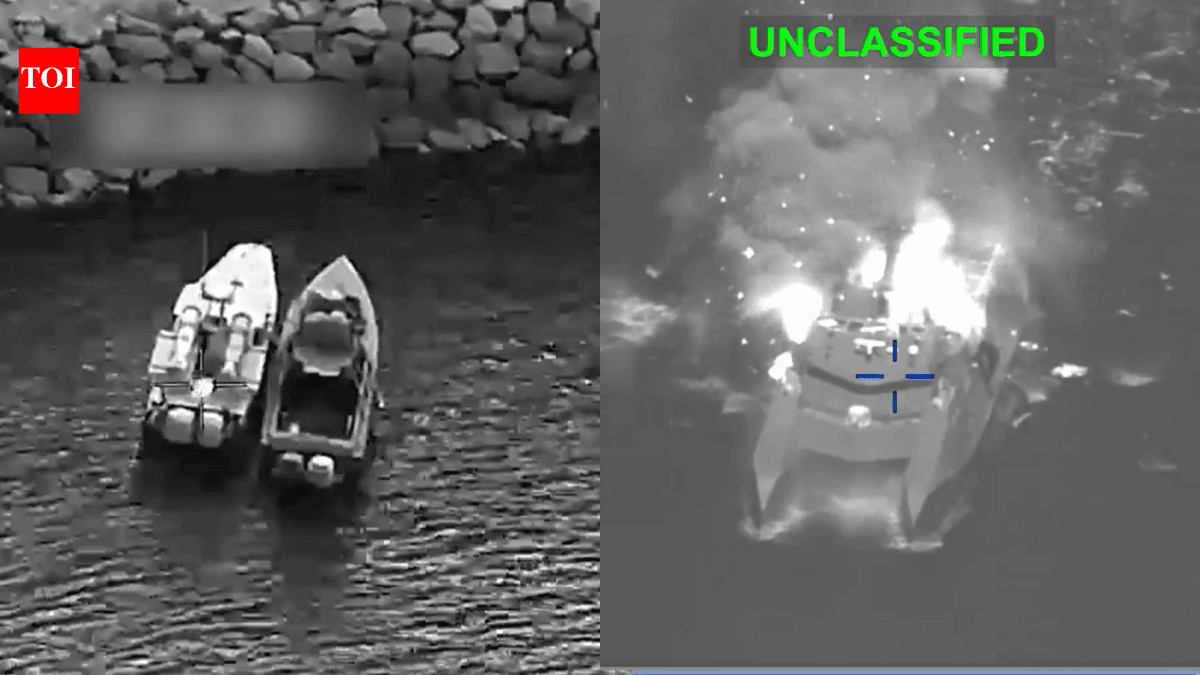
On Tuesday, March 10, a significant escalation occurred in the Middle East. United States Central Command confirmed that American forces targeted and destroyed multiple Iranian naval vessels near the strategic Strait of Hormuz, according to the US central command, as concerns grow around Tehran’s attempt to disrupt shipping in the critical waterway. This action follows concerns about Tehran attempting to disrupt shipping. Reports indicate a divergence in official narratives from key government figures regarding the exact number of assets neutralized during the operation.
The operation revealed conflicting data regarding the scale of destruction. On social media platform X, US Central Command stated that US forces eliminated multiple Iranian naval vessels, specifically citing 16 minelayers destroyed near the Strait of Hormuz. They included video evidence showing some of the strikes to substantiate their report. Conversely, President Donald Trump took to Truth Social to address the situation earlier in the day. In his post, he reported hitting and completely destroying 10 inactive mine-laying boats and ships, with more to follow. This highlights inconsistencies in public communication regarding the operation. The discrepancy between the 16 vessels claimed by the military command and the 10 reported by the President underscores the complexity of the situation.
The strategic importance of the location is critical. The Strait of Hormuz, situated between Iran and Oman, functions as one of the world’s most vital energy chokepoints. It handles roughly 20 per cent of globally traded oil daily. Control is shared by Iran’s navy and IRGC, which warned ships could be targeted. Officials describe it as a high-risk transit zone since the war escalated. Reports from CBS News cited US officials suggesting Iran could be preparing to deploy naval mines in the strait, while intelligence sources told CNN that a small number of mines may already be present. This potential threat has heightened vigilance among international observers monitoring the region.
President Trump issued stern warnings regarding mine deployment in the key shipping corridor. He stated that if Iran has put out any mines, they must be removed immediately. The administration warned failure to remove devices could lead to a strong response. He declared consequences for Iran would be at a level never seen before if mines were not removed. Removing devices was called a giant step to ease tensions. Trump added that failing to remove such mines could lead to a strong military response. The situation remains volatile as the world watches to see if diplomatic pressure or military force will prevail in securing the waterway.

The conflict in the Strait of Hormuz has intensified following US strikes on Iranian assets. While both the military command and the President agree that vessels were targeted, the specific numbers vary between 10 and 16. The global community remains focused on the potential for mine deployment and the severe repercussions promised by Washington if shipping lanes are compromised.
May 1, 2026 03:50 UTC
Trump Administration Declares Iran Conflict Terminated
Join 50,000+ readers getting the global briefing every morning.
No spam. Unsubscribe anytime.
May 1, 2026 03:50 UTC
Trump Administration Declares Iran Conflict Terminated
Apr 25, 2026 01:38 UTC
Iranian FM Araghchi Heads to Islamabad for Critical US-Iran Talks
Apr 25, 2026 01:13 UTC
Calm Suspect in Delhi Rape-Murder Case Faces Mental Evaluation
Apr 24, 2026 23:24 UTC
Raghav Chadha joins BJP, Shaking AAP’s Rajya Sabha Strength