Amidst rising missile attacks and a shipping blockade in the Persian Gulf, the US President declares the conflict could end soon while challenging allies to secure the vital waterway.
President Donald Trump stated on Wednesday that the US military campaign against Iran could conclude within two to three weeks, even as missile launches from Yemen continue toward Israeli territory. While the conflict intensifies, the US President has shifted the burden of securing the critical Strait of Hormuz to other global powers, telling allies to secure the waterway themselves if they wish to continue importing oil.
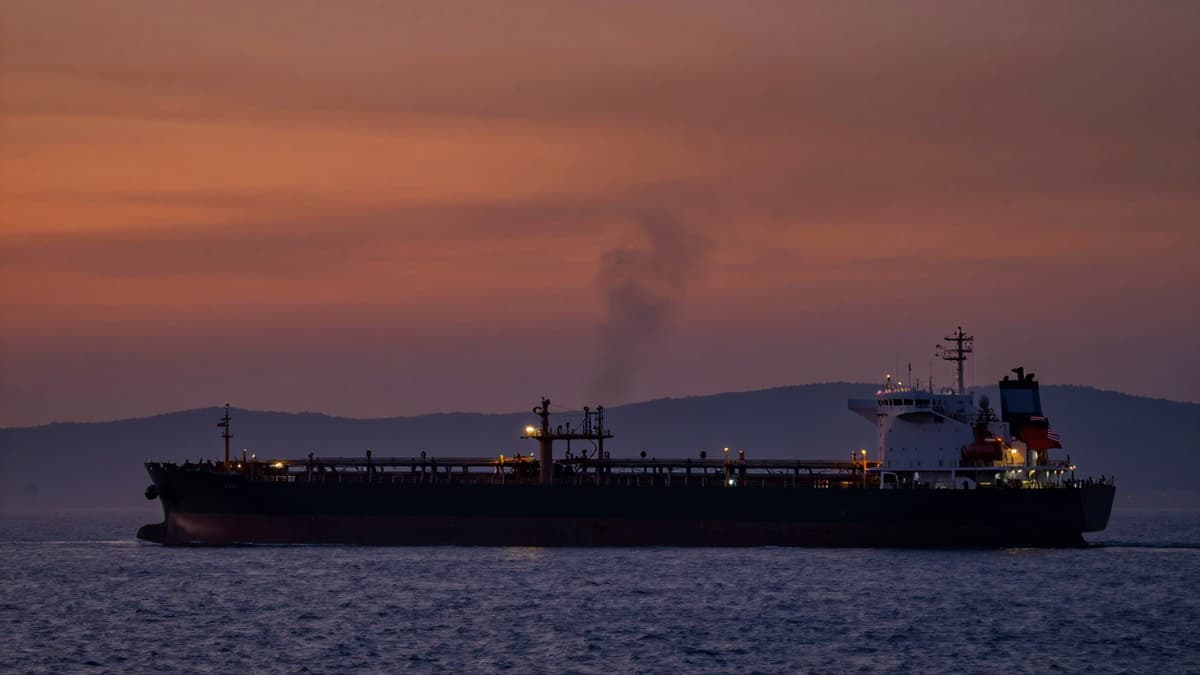
The Israel Defense Forces confirmed they intercepted a missile launched from Yemen, a nation hosting Iran-backed Houthi rebels who have joined the regional hostilities. Although the Houthis have not officially claimed this specific Wednesday launch, they had previously vowed to sustain military operations. Simultaneously, a Kuwaiti tanker carrying oil in Dubai waters was struck by a drone, igniting a fire that was later extinguished without causing oil spills or injuries.
Iranian Foreign Minister Abbas Araghchi, speaking to Al Jazeera, rejected the notion that negotiations are currently underway between Tehran and Washington. He emphasized that while messages have been exchanged through intermediaries, no formal agreement or direct talks exist. Araghchi stated that Iran is prepared for a war lasting at least six months, directly countering Trump's assertion that the fighting could end quickly. He warned that the war must end with regional peace, noting that threats and deadlines are ineffective methods of communication.
The US Secretary of State, Marco Rubio, acknowledged that messages are being exchanged and hinted at the potential for a future meeting. However, he cautioned that President Trump will not tolerate "fake negotiations" used as a delay tactic. This stance contradicts Trump's earlier claims that Tehran has agreed to "most of" a 15-point US proposal, which an Iranian spokesperson had previously dismissed as unrealistic.
Behind the scenes, sources indicate that the Trump administration has been indirectly communicating with both Foreign Minister Araghchi and Parliament Speaker Mohammad Bagher Ghalibaf. Ghalibaf is viewed as a potential influencer with the new Supreme Leader, Mojtaba Khamenei. Despite these channels, Araghchi maintains that the current leadership in Iran has not formally responded to the US demands.
Trump Iran negotiations remain in a state of uncertainty as both sides hold firm on their positions. The US president described the current Iranian leadership as "much more reasonable" than previous regimes, projecting optimism that a deal is possible because the new leaders want a resolution more than the US does. Yet, on the ground, the reality is one of heightened danger and disruption to global trade.
The impact of the conflict is most severely felt in the Strait of Hormuz, where Iran's selective blockade has created a minefield for commercial shipping. Since the war began on February 28, the UK Maritime Trade Operations has recorded 26 incidents affecting vessels in the region. The waters are now littered with mines and exposed to explosive drones, creating a lethal environment for the crews of ships that transport 90% of all manufactured goods.
The danger was starkly illustrated when a Thai cargo ship, the Mayuree Naree, was hit by a projectile earlier in the month. The attack caused a fire on board, forcing the crew to evacuate. While some survivors have returned to Thailand, three crew members remain missing. Since the start of the conflict, at least seven seafarers have lost their lives, and over a dozen vessels have been attacked near Iran.
Shipping insurance premiums have skyrocketed due to the risks, and maritime workers are increasingly reluctant to undertake voyages in the volatile region. Angad Banga, CEO of Caravel Group, noted that while global shares are rebounding on hopes of an end to the fighting, the "seafarer challenge" of convincing crews to return to the dangerous waters will continue to disrupt the supply chain for the foreseeable future. Even if the war ends and crude prices stabilize, the logistical hurdles of securing safe passage and rebuilding confidence among the workforce will take significant time.
Iran has also threatened to target American tech firms if its leadership suffers further casualties. The IRGC identified 17 major companies, including Apple, Microsoft, Google, and Meta, warning that their units in the region would face destruction in response to each assassination. Employees and residents near these offices were advised to distance themselves immediately.
The ongoing hostilities have paralyzed the Strait of Hormuz, transforming a vital global artery into a zone of high mortality and economic uncertainty. As long as the diplomatic stalemate persists and the threat of further drone or missile attacks remains, the recovery of global shipping will be slow. The combination of high insurance costs, crew shortages, and the physical dangers of the blockade suggests that even a political resolution could take months to translate into restored maritime stability and lower fuel prices for consumers worldwide.
Jun 8, 2026 02:17 UTC
Magnitude 7.8 Quake Shakes Philippines, Urging Immediate Evacuations
Jun 8, 2026 00:51 UTC
Trump Claims Iran Nuclear Deal Imminent Despite Diplomatic Fractures
Jun 8, 2026 00:47 UTC
Iran Fires Missiles at Israel After Beirut Strike
Jun 7, 2026 22:00 UTC
US, Iran Peace Hops Fade 100 Days Into War
Jun 8, 2026 04:15 UTC
Trump Urges Netanyahu to Halt Iran Strike for Peace


