Amidst fresh strikes on Gulf infrastructure and fears of the Strait of Hormuz closure, U.S. leadership signals a potential rapid exit from the conflict with Iran.
U.S. President Donald Trump and Secretary of State Marco Rubio indicated on Tuesday that a swift end to the conflict with Iran is imminent, even as fresh attacks targeted infrastructure across the Gulf states. While Washington signaled potential for direct talks or a winding down of hostilities without a formal deal, violence continued on multiple fronts, including strikes on oil facilities and naval assets.
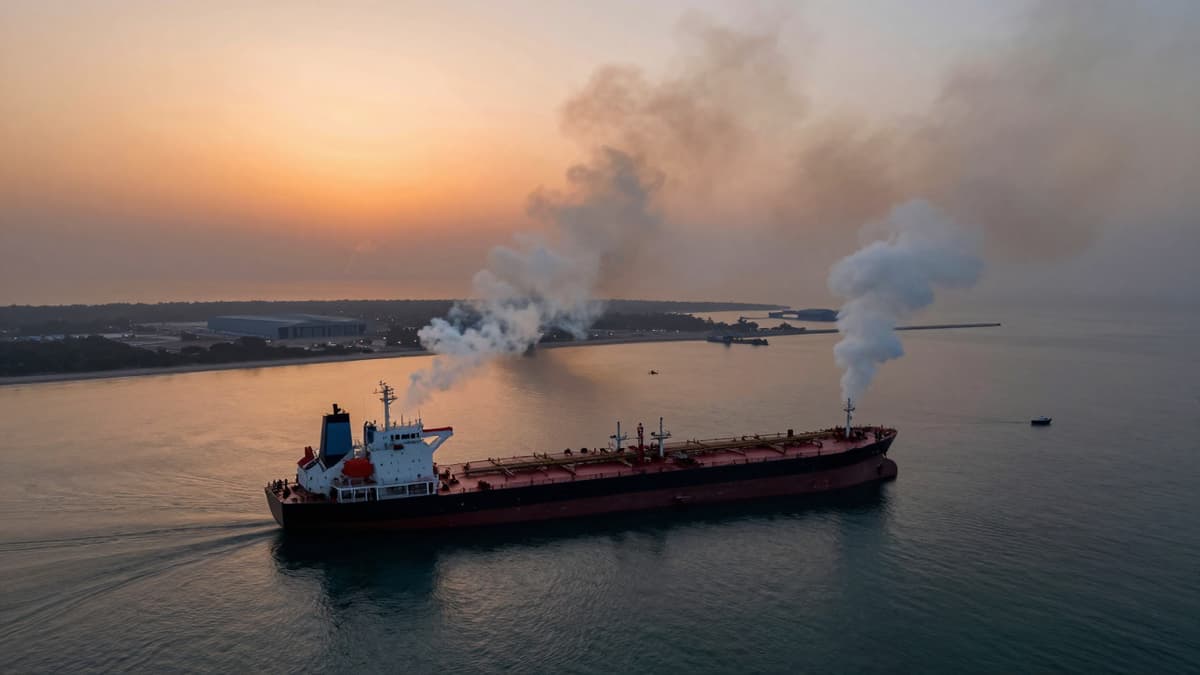
Trump told reporters the U.S. could leave the war within two to three weeks, clarifying that Iran does not need to sign a deal to trigger an exit from "Operation Epic Fury." This marks a sharp shift from previous threats to intensify operations if Tehran rejected a 15-point ceasefire framework. Despite the rhetoric, drones hit fuel tanks at Kuwait's airport, a fire burned at an undisclosed Bahrain facility, and a tanker caught fire off Doha.
The White House prepared to address the nation Wednesday evening regarding the Iran situation, following Trump's comments on the possibility of a "finish line." Secretary of State Rubio, appearing on Fox News, stated that while a meeting is not immediate, one is "coming." This diplomatic pivot occurs amidst significant economic pressure, with oil prices rising over 1% and global stocks rallying on hopes of de-escalation.
However, the reality on the ground contradicts a total ceasefire. Iranian state media reported explosions in Tehran and the hitting of the Shahid Haghani Port, described as a criminal attack on civilian infrastructure. U.S. Defense Secretary Pete Hegseth urged allies to prepare to reopen the Strait of Hormuz by force if necessary, echoing Trump's criticism of NATO allies for perceived lack of support. Rubio further stated that the U.S.-Europe relationship requires reexamination after the conflict concludes.
Iranian Foreign Minister Abbas Araqchi dismissed recent contacts as threats rather than negotiations, delivered via intermediaries. Meanwhile, the Revolutionary Guards threatened 18 U.S. companies, including Microsoft, Google, and Tesla, though Trump dismissed concerns about these threats.
The conflict's reach extended beyond the Persian Gulf, reigniting the Israel-Hezbollah conflict in Lebanon. At least seven people were killed and 24 wounded in Israeli strikes in Beirut, while Yemen's Houthis claimed a coordinated missile attack with Iran and Hezbollah against Israel. The Houthi description of this as a first joint operation highlights the expanding scope of the regional war.
In Israel, missile debris struck central areas following an Iranian rocket volley, contributing to the country's death toll of 19, much of which stems from falling debris. The U.S. messaging regarding a potential exit has created a complex atmosphere for investors. While the broader MSCI Asia-Pacific index rose 2.7% following Wall Street gains, the threat of the U.S. war exit from Iran remains unconfirmed, creating a volatile mix of optimism and underlying risk.
Indonesia has demanded a direct UN investigation into the deaths of its peacekeepers killed in southern Lebanon, adding a diplomatic layer to the military escalation. As the U.S. prepares for its address, the global community watches for a definitive roadmap, balancing the desire for a quick end to the conflict against the persistent threats of a Strait of Hormuz closure that could disrupt a fifth of global oil and gas exports.
Iranian Leadership Demands Investigation as U.S. Signals Pullback
As the U.S. moves toward a potential strategic withdrawal, regional actors are hardening their positions regarding security guarantees. The demand for a direct UN investigation by Indonesia into peacekeeper deaths underscores the growing international scrutiny of the conflict's collateral damage. With the UAE reportedly preparing to assist allies in forcefully reopening the Strait and seeking UN Security Council backing, the stage is set for a potential multilateral intervention should diplomatic efforts fail to secure the waterway. The persistence of Iranian threats against major U.S. corporations, combined with the expanded regional front involving Houthis and Hezbollah, suggests that while the U.S. seeks a rapid exit, the structural drivers of the conflict may prolong regional instability even if direct U.S. combat operations cease within the proposed weeks.
Jun 8, 2026 02:17 UTC
Magnitude 7.8 Quake Shakes Philippines, Urging Immediate Evacuations
Join 50,000+ readers getting the global briefing every morning.
No spam. Unsubscribe anytime.
Jun 8, 2026 02:17 UTC
Magnitude 7.8 Quake Shakes Philippines, Urging Immediate Evacuations
Jun 8, 2026 00:51 UTC
Trump Claims Iran Nuclear Deal Imminent Despite Diplomatic Fractures
Jun 8, 2026 00:47 UTC
Iran Fires Missiles at Israel After Beirut Strike
Jun 7, 2026 22:38 UTC
Congress Party Claims Unity for INDIA Bloc Delhi Meeting


