Section
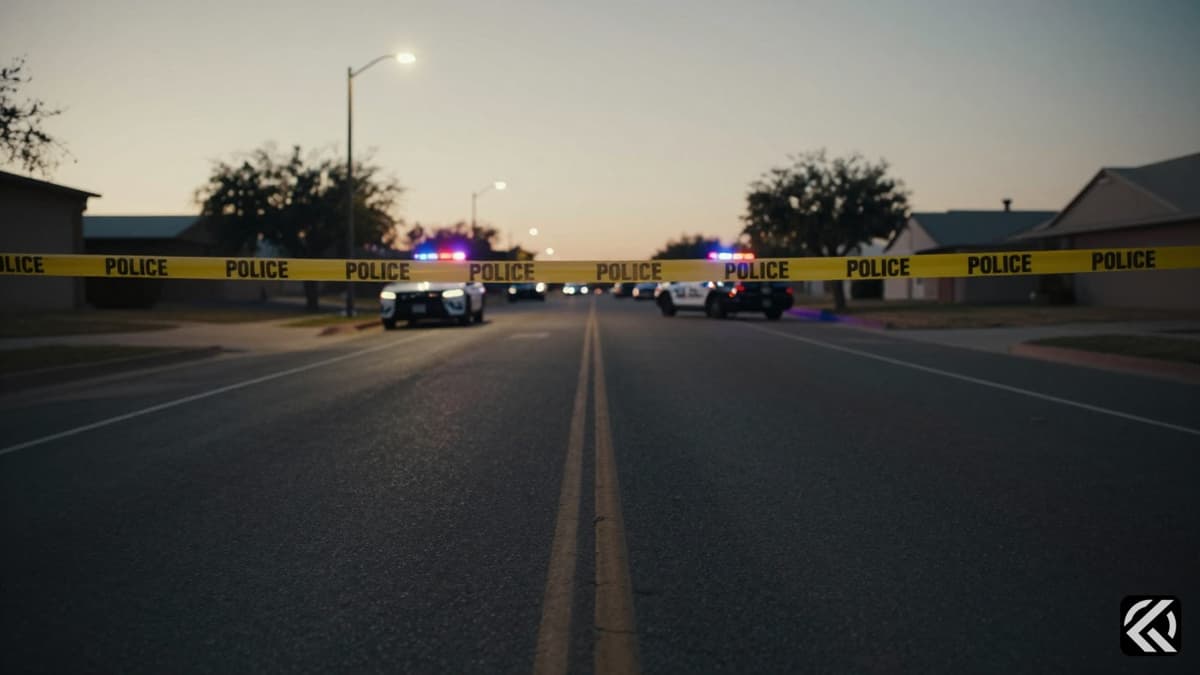
A deadly incident in Midland, Texas, has claimed one life and injured eleven others. The active shooter situation is now resolved, with the suspect confirmed deceased following a tense standoff.
In the early hours of Friday morning, the city of Midland, Texas, was plunged into crisis as reports of multiple gunshots rippled through the quiet western Texas community. The incident, which unfolded in the 4600 block of West Wall Street, has left a trail of devastation, with Mayor Lori Blong confirming that about a dozen people were shot during the event. As emergency services raced to secure the area and treat the wounded, the city faced a harrowing day of uncertainty, grief, and rapid response from local law enforcement agencies. The scale of the violence prompted a significant mobilization of resources, including hospital lockdowns and extended police operations, marking this as a critical moment in the community's recent history.
The immediate aftermath saw a chaotic but organized response from local authorities. Police Chief Greg Snow noted that officers heard gunfire coming from a specific building and worked quickly to secure and clear the area. This rapid intervention was crucial in containing the threat and preventing further escalation. The situation remained tense for several hours, with police efforts focused on bringing the standoff to a safe resolution. During this time, the community was left in suspense, waiting for updates on the number of casualties and the status of the suspect. The swift action of the police force was instrumental in ending the immediate danger, though the emotional and physical toll on the victims and the community remains profound.
Midland Memorial Hospital became a central hub of activity as the number of victims became clear. Spokesperson Tasa Richardson announced that the hospital received nine victims from the active shooter incident. Upon arrival, the severity of the injuries was immediately apparent, leading to a lockdown of the main campus around 8:20 a.m. CT. Richardson provided a detailed update on the condition of those treated, stating that four were in the operating room requiring critical care, while five were stable. This distribution of patients highlights the varying degrees of trauma experienced by the victims, ranging from life-threatening injuries to those who were able to recover under observation. The hospital eventually lifted the main campus lockdown by 10:10 a.m., but the emergency department remained locked down as a precautionary measure, underscoring the ongoing nature of the emergency response.
The resolution of the standoff marked a turning point in the day's events. Mayor Lori Blong provided confirmation that the active shooter situation had ended and that the shooter was confirmed deceased. This statement brought a measure of relief to the city, though the tragedy itself remained fresh and painful. The mayor’s declaration that there were 11 known victims, with at least one dead on the scene, clarified the grim scope of the incident. The confirmation of the suspect's death allowed law enforcement to shift their focus from containment to investigation and victim support. However, the details surrounding the incident, particularly regarding the suspect, remained scarce, leaving many questions unanswered for the public and the families involved.
The impact of this tragedy extends beyond the immediate victims, affecting the broader community of Midland. Located in West Texas, roughly halfway between Fort Worth and El Paso, Midland is known for its relatively close-knit community and industrial character. This event has shaken the sense of security that residents often take for granted. The rapid response and resolution were praised by officials, but the underlying issues that led to the mass shooting remain unaddressed in the public sphere. As the investigation continues, authorities have not released any information about the suspect or a possible motive. This lack of information is typical in the early stages of such investigations, but it also fuels speculation and anxiety among the public.
The role of local hospitals in such crises cannot be overstated. Midland Memorial Hospital’s handling of the nine victims demonstrated both the capacity and the strain of emergency medical services during a large-scale incident. The lockdown procedures, while necessary for safety and triage, disrupted normal operations and served as a reminder of the vulnerability of public infrastructure in the face of sudden violence. The statement from Tasa Richardson urging people to avoid the hospital unless necessary helped to manage the flow of patients and prevent further congestion, allowing medical staff to focus on those critically injured. This coordinated effort between police and medical services highlights the importance of integrated emergency response protocols in urban and semi-urban settings.
As the days proceed, the city of Midland will grapple with the aftermath of this mass shooting. The confirmation of the suspect's death closes the immediate chapter of the standoff, but the long-term effects will be felt for years to come. The victims, both the deceased and the injured, will require extensive medical and psychological support. Their families will need to navigate the grief of loss and the uncertainty of recovery. For the broader community, this event serves as a stark reminder of the potential for violence in public spaces. The lack of a disclosed motive means that the community cannot yet draw conclusions or implement targeted preventive measures, leaving them in a state of heightened alert.
Law enforcement agencies will likely face increased scrutiny as the investigation progresses. Chief Snow’s statement regarding the ongoing efforts to bring the standoff to a safe resolution was a testament to the professionalism of the officers involved. However, the details of the negotiation, the tactical decisions made, and the final confrontation will be examined closely by internal affairs and perhaps federal agencies. The body cameras, communication logs, and witness statements will be critical in understanding the full timeline of events. This level of scrutiny is standard in high-profile incidents, but it adds another layer of complexity to the already difficult task of recovering from such a traumatic event.
The psychological impact on first responders and bystanders is another significant factor often overlooked in the immediate aftermath. Officers who responded to the gunfire and cleared the building will likely experience secondary trauma, requiring debriefing and counseling. Witnesses to the event, even those not directly injured, may suffer from anxiety and post-traumatic stress. The community’s response, including vigils and memorials, will play a crucial role in the healing process. These gatherings offer a space for collective mourning and support, helping to rebuild the social fabric that was torn by the violence.
The resolution of this incident does not mean the end of its influence on public policy and safety measures. In the wake of this active shooter event, local and state governments may revisit their protocols for responding to such threats. The success of the police response may be analyzed to identify best practices and areas for improvement. Discussions around mental health resources, gun control legislation, and school safety protocols are likely to resurface in public discourse. While no specific policy changes are guaranteed, the emotional weight of the tragedy will push for a reevaluation of how communities protect their members from similar threats.
Furthermore, the economic and social impact on Midland will be significant. Tourism and local business may see a temporary dip as the city mourns and investigates. Insurance claims for property damage and personal injury will surge, affecting local businesses and residents. The long-term economic recovery will depend on how quickly the city can restore its reputation for safety and stability. Community leaders will play a key role in this process, ensuring that the narrative of tragedy does not overshadow the resilience and unity of the people of Midland.
In conclusion, the recent events in Midland, Texas, represent a profound tragedy for the community and a test of its resilience. The swift actions of law enforcement and medical professionals helped to mitigate the immediate damage, but the long-term effects will be felt for years. The confirmation of the suspect's death and the status of the victims provide a foundation for the ongoing investigation and healing process. As the city moves forward, it will do so with a renewed sense of urgency to protect its citizens and address the underlying issues that contribute to such violence. The community’s ability to come together in the face of adversity will be a defining characteristic of its recovery, demonstrating the strength of its bonds and the resolve of its people in the face of tragedy.
Jun 17, 2026 00:58 UTC
US-Iran 60-Day Challenge: Peace Deal Leaves Nuclear Details Pending
Jun 16, 2026 22:51 UTC
G7 Summit: Modi Warns of Hormuz Risks, Trump Pushes Russian Sanctions
Jun 16, 2026 18:58 UTC
G7 Leaders Intensify Pressure on Russia with New Sanctions
Jun 16, 2026 18:36 UTC
Trump Claims US-Iran Agreement Opens Strait of Hormuz Without Tolls
Jun 16, 2026 16:31 UTC
FBI Thwarts Conspiracy to Target White House UFC Event