Section
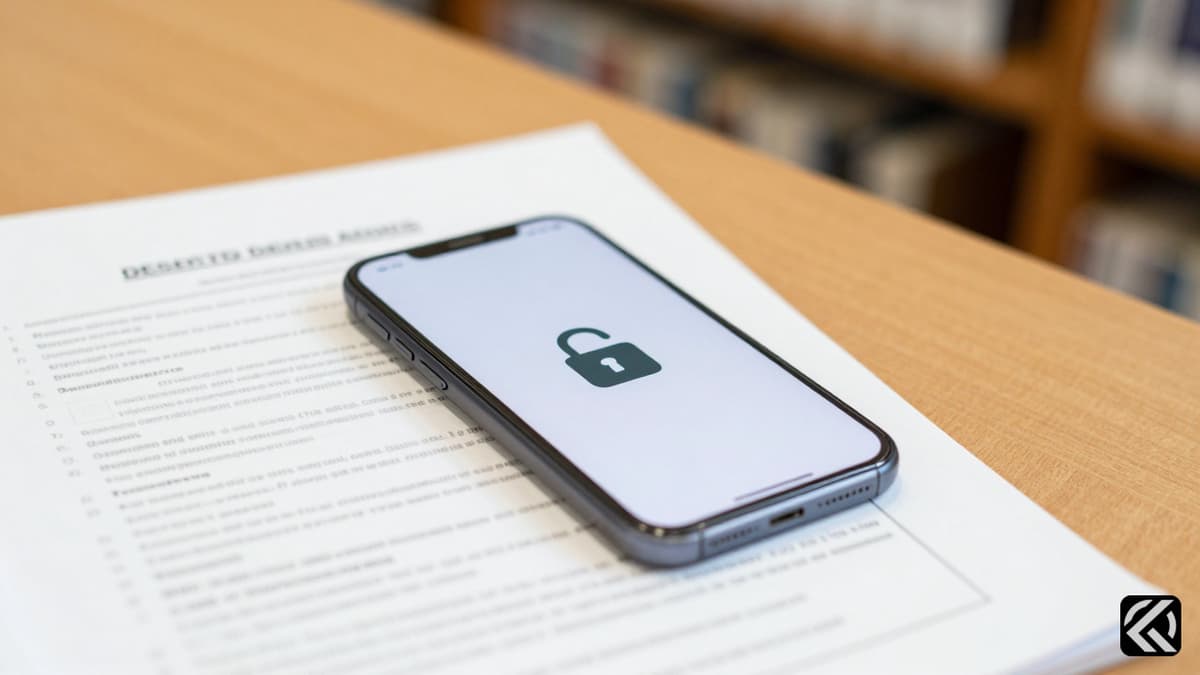
India has temporarily blocked Telegram to stop NEET 2026 exam fraud, targeting organized cheating rings exploiting the platform for the re-examination.
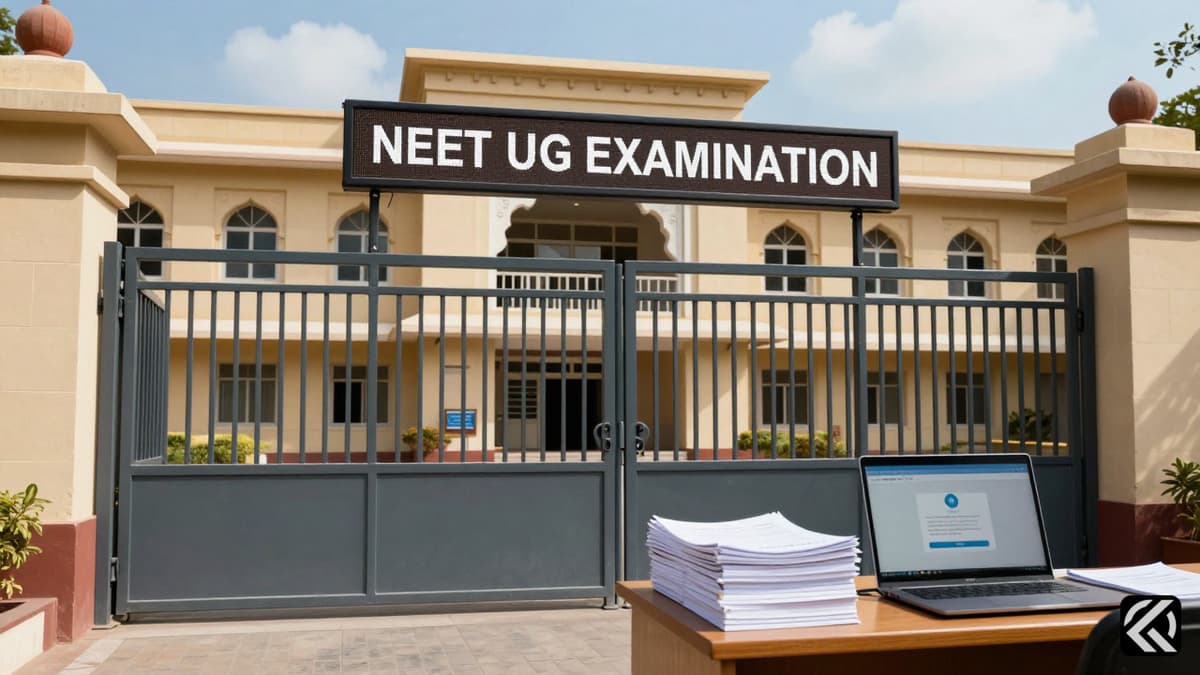
India has initiated a temporary Telegram blocking order, prohibiting access to the messaging application across the country for one week. This drastic measure was implemented at the request of the National Testing Agency (NTA) to prevent further fraud during the upcoming NEET 2026 re-examination. The ban is set to remain in effect until Monday, June 22, 2026, aligning with the schedule of the re-test held on June 21, 2026. The Union government’s decision follows urgent directives from the Ministry of Electronics and Information Technology, citing the organized use of the platform by criminal elements.
The National Testing Agency described the restriction as a necessary response to the "organised use of the platform by cheating rackets to defraud candidates appearing for the NEET (UG) 2026 re-examination." This action represents a significant escalation in digital regulation within India. It is the first time that a messaging app operating at such a massive scale is being blocked by the Ministry of Electronics and Information Technology, even if only for a limited period. The move underscores the severity of the security concerns surrounding high-stakes national examinations in the digital age.
Telegram groups on the platform have been identified as hubs for illegal activities. Several groups were circulating pirated links and real-time news updates from established organizations. The platform’s unique features, such as the integration of bots, have attracted many users who utilize tools not typically found on competitors like WhatsApp and Signal. According to the NTA, these groups were actively advertising fake exam papers for the upcoming NEET exam. Candidates willing to pay for these fraudulent items were being defrauded by these organized networks.
In a statement addressing the regulatory action, the NTA emphasized that the blocking was "calibrated and bounded in time." The agency clarified that access would be lifted later, specifically noting that the restriction was not a permanent shutdown. The government’s approach aims to neutralize the immediate threat without indefinitely severing communication channels for legitimate users. However, the immediate impact is significant, affecting millions who rely on the app for daily communication.
The Indian Cyber Crime Coordination Centre (I4C), operating under the Ministry of Home Affairs, played a pivotal role in the enforcement of these measures. Acting on continuous inputs from the NTA, the I4C worked with state law-enforcement agencies, including police forces in Bihar, Gujarat, and Rajasthan. These collaborative efforts allowed for the prompt take-down of a substantial number of Telegram channels, groups, and bots. The I4C specifically targeted entities whose names and content openly advertised their fraudulent and misleading purpose.
A critical tactic employed by these cheating rackets involved editing past messages to include recent exam paper questions. This technique was used to fake their capabilities in obtaining secure information. To counter this specific method of misinformation and evidence tampering, the IT Ministry issued separate directions to Telegram. The ministry ordered the platform to disable message editing features until June 30, 2026. This technical restriction aims to shut off an avenue for fabrication, particularly during the post-examination window where such artifacts have historically been deployed to create false narratives of insider knowledge.
While Telegram has taken down some groups and content within group chats, it is important to note that these chats are not end-to-end encrypted on the platform. Despite this, a Telegram spokesperson did not immediately respond to requests for comment regarding the ban. Historically, the platform has not voluntarily disabled access to its services in any country at a government’s request. This external imposition of a block highlights the unique pressure being applied to the app’s operations in India during this critical examination period.
The NTA acknowledged the broad impact of the Telegram blocking on the general public. The agency stated that the access restriction issued by MeitY affects lakhs of citizens who use the Telegram platform for legitimate purposes. These include personal, educational, professional, and informational uses that have nothing to do with exam fraud. The NTA sincerely regrets the inconvenience caused to these users, distinguishing their legitimate activities from the criminal elements being targeted. This admission reflects a balanced approach, recognizing the collateral damage inflicted on lawful users during the enforcement of security measures.
The temporary ban on Telegram serves as a stark warning to cheating rackets and sets a precedent for how digital platforms are regulated during national security events. By integrating technical restrictions like disabling message editing with coordinated law enforcement actions, the Indian government demonstrated a multi-layered defense strategy. This approach may lead to stricter compliance requirements for social media apps operating in India, forcing them to adopt more proactive monitoring tools. Future examinations might see similar temporary restrictions on other platforms if similar vulnerabilities are identified. The incident highlights the ongoing cat-and-mouse game between exam security agencies and tech-savvy fraudsters, suggesting that digital security measures will become increasingly integrated into the physical safety of examination halls.
Jun 17, 2026 00:58 UTC
US-Iran 60-Day Challenge: Peace Deal Leaves Nuclear Details Pending
Jun 16, 2026 22:51 UTC
G7 Summit: Modi Warns of Hormuz Risks, Trump Pushes Russian Sanctions
Jun 16, 2026 18:58 UTC
G7 Leaders Intensify Pressure on Russia with New Sanctions
Jun 16, 2026 18:36 UTC
Trump Claims US-Iran Agreement Opens Strait of Hormuz Without Tolls
Jun 16, 2026 16:49 UTC
Annamalai Criticizes NEET Re-test Security Amidst Rising Tensions