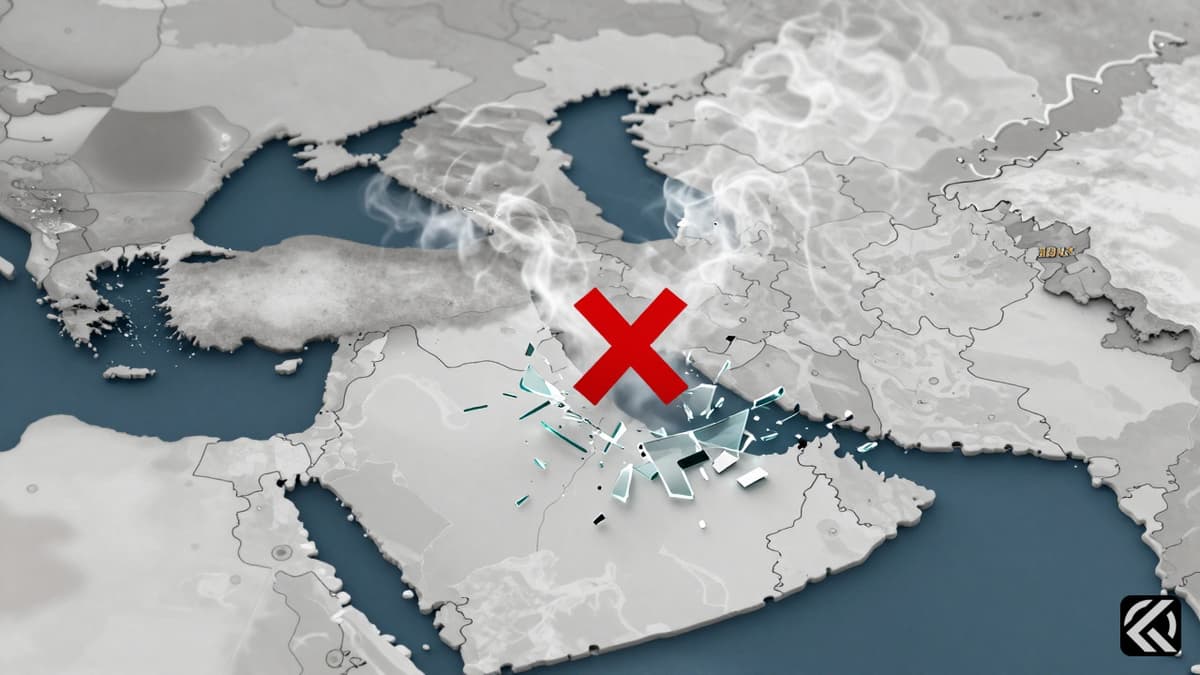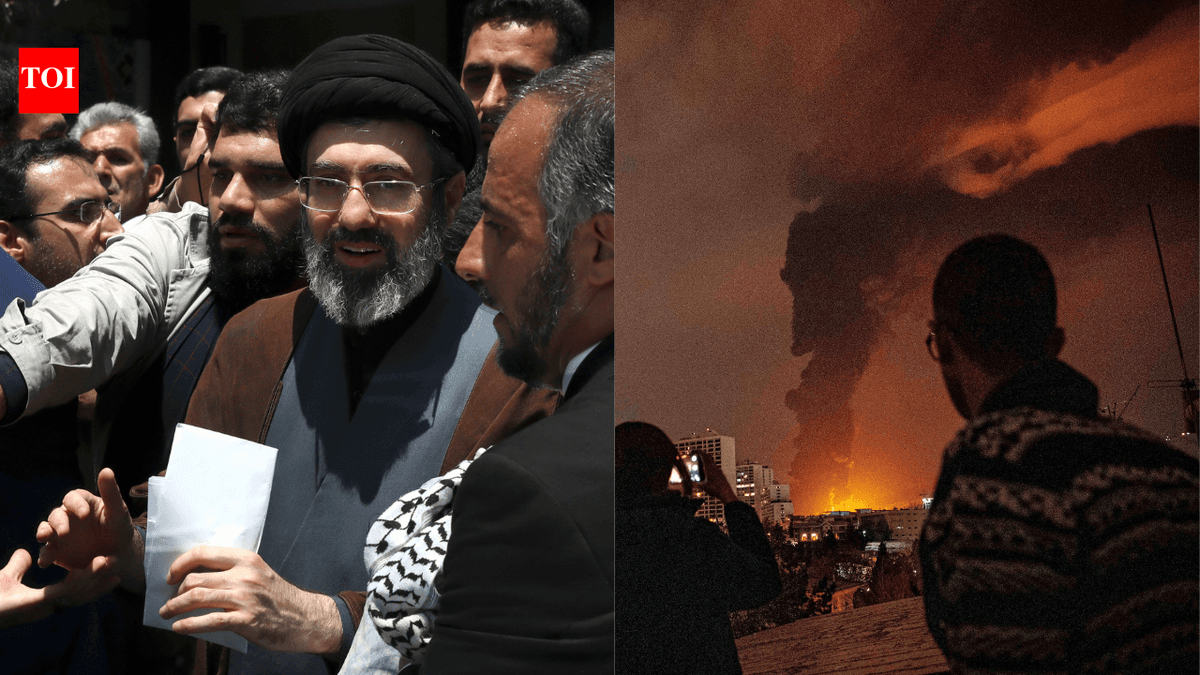
The Middle East war intensifies as Mojtaba Khamenei succeeds his father following a major decapitation strike.
The Middle East conflict has reached a critical turning point following the announcement that Mojtaba Khamenei has been named Iran’s new Supreme Leader. This significant development arrives on the tenth day of a devastating war initiated by a joint US-Israel strike. The death of his father, Ayatollah Ali Khamenei, marks a profound shift in regional power dynamics as hostilities continue to intensify across multiple fronts.
The conflict erupted on February 28 with a massive joint operation targeting strategic facilities in Tehran, Isfahan, and Kermanshah. Analysts describe the killing of the 86-year-old cleric as a "decapitation strike" aimed at crippling Iran’s leadership. Israeli officials confirmed that a Blue Sparrow missile briefly travelled toward space before descending at high speed to strike his guarded compound during a senior meeting. Iran responded swiftly with missiles and drones toward Israel and US facilities. By Day 2, Tehran escalated with ballistic missiles, though many were intercepted. The United States expanded its campaign, striking missile launchers and IRGC-linked facilities while Iran targeted American bases across the Middle East.
Fighting quickly spread beyond Iran’s borders. On Day 3, Hezbollah opened a northern front from Lebanon, prompting heavy Israeli airstrikes that killed over 200 people in southern Lebanon. The humanitarian toll is severe, with more than half a million displaced in Lebanon alone, though authorities say the real number is likely higher. In Israel, evacuation warnings cover dozens of villages and Beirut’s southern suburbs. By Day 10, casualties had mounted significantly. At least 1,230 people were killed in Iran, 397 in Lebanon, and 11 in Israel. Seven Americans have also died since the war began, including one service member who succumbed to injuries from an attack in Saudi Arabia.
The conflict has triggered a widening economic shock. Global energy markets are rattled with oil prices pushing above $100 a barrel after QatarEnergy halted production. Shipping routes through the Strait of Hormuz faced threats, disrupting global trade. Gulf states hosting US bases were drawn deeper into the fray. A US submarine torpedoed an Iranian warship near Sri Lanka, killing 87 crew members on the IRIS Dena. Debris from interceptions damaged parts of Dubai and Bahrain. Saudi Arabia intercepted drones targeting oil fields, warning Iran it would be the "biggest loser" if attacks persisted.
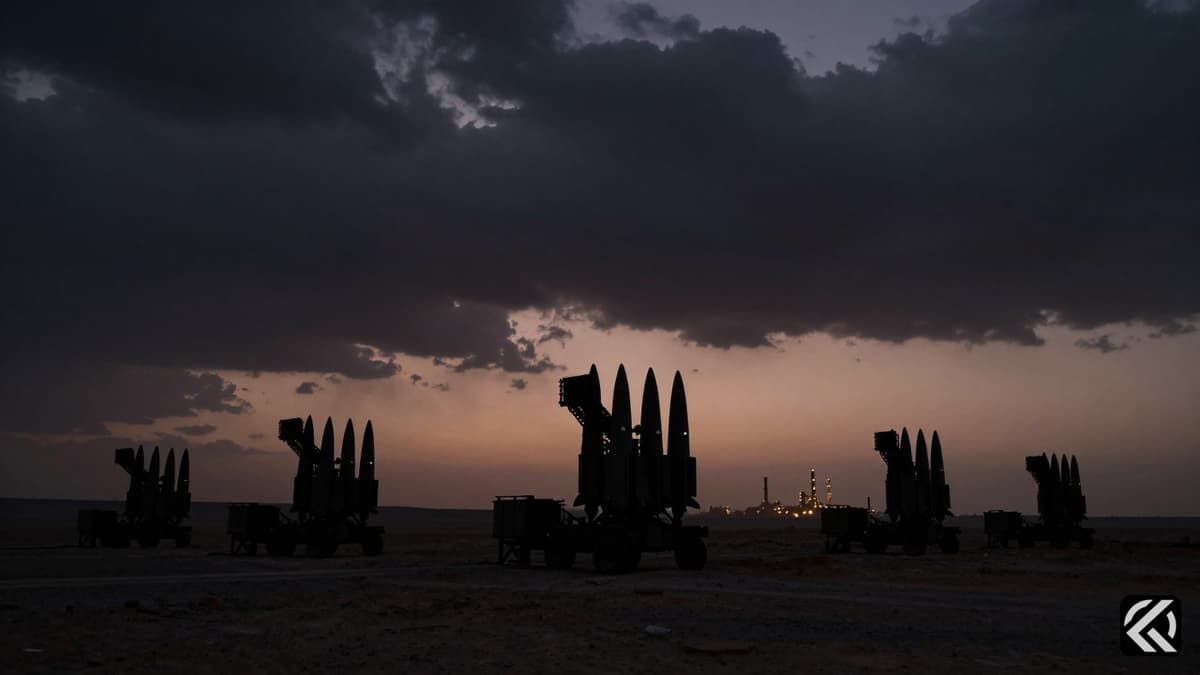
On Day 10, Iran announced Mojtaba Khamenei as the successor. The cleric has close ties with the Islamic Revolutionary Guard Corps. As he assumed leadership, US military personnel were withdrawing from Gulf countries due to security risks. President Donald Trump demanded Iran’s unconditional surrender, ruling out immediate negotiations. One American service member died of injuries in Saudi Arabia, bringing total US fatalities to seven. The war continues with missile and drone attacks across the region as the new leader seeks to maintain control amidst chaos.
The region faces an uncertain future as the leadership vacuum is filled by a successor with strong military ties. While diplomatic staff withdraw, combat operations intensify, leaving the humanitarian situation dire and economic stability fragile across the Middle East.
Jun 8, 2026 22:55 UTC
Netanyahu Vows Forceful Response to Future Iran Attacks
Join 50,000+ readers getting the global briefing every morning.
No spam. Unsubscribe anytime.
Jun 8, 2026 20:56 UTC
Netanyahu Halts Iran Fighting, Vows Future Force
Jun 8, 2026 20:54 UTC
Justice Department Moves to Strip Citizenship from 17 Individuals
Jun 8, 2026 18:37 UTC
Trump Denied War Pledge Despite Clear Campaign Records
Jun 8, 2026 18:27 UTC
INDIA Bloc Unanimously Demands Education Minister’s Resignation