Opposition leaders converge in New Delhi, calling for unity and demanding the immediate removal of Education Minister Dharmendra Pradhan to safeguard democratic integrity.
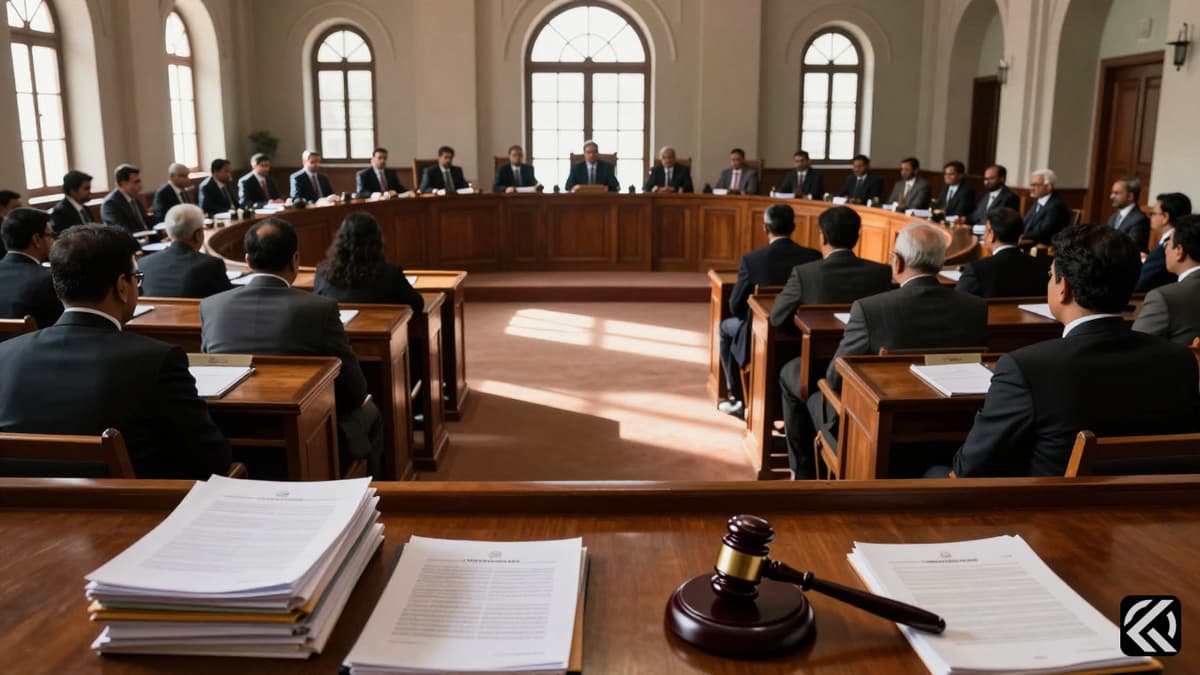
Opposition leaders representing various parties within the INDIA bloc convened in New Delhi on Monday, June 8, 2026, signaling a critical moment for political cohesion. The gathering at the Constitution Club aimed to reinforce unity among constituents who have recently faced internal differences, while addressing pressing national issues.
The meeting, attended by senior figures from the Congress party, Trinamool Congress, Samajwadi Party, RJD, National Conference, PDP, and various Left parties, marked a significant show of solidarity. Key attendees included Sonia Gandhi, Rahul Gandhi, and Mallikarjun Kharge from Congress, alongside Mamata Banerjee, Akhilesh Yadav, Tejashwi Yadav, Omar Abdullah, and Mehbooba Mufti. NCP(SP) leader Supriya Sule, CPI(M)’s John Brittas, CPI’s D. Raja, and leaders from smaller parties also participated, with Shiv Sena (UBT)’s Uddhav Thackeray joining virtually.
During the deliberations, Congress chief Mallikarjun Kharge articulated the collective stance of the opposition alliance. He announced that the leaders had reached a unanimous decision regarding two major political and legal fronts. First, the bloc agreed to draft and send a letter to the Chief Justice of India concerning the Special Intensive Revision (SIR) of electoral processes, describing allegations of voting irregularities, theft, and looting during elections. The opposition set a strict timeline for this judicial intervention, warning of a potential nationwide agitation if the matter is not addressed within seven days.
Second, and more prominently, the leaders unanimously demanded the immediate resignation of Union Education Minister Dharmendra Pradhan. This demand highlights deep-seated grievances within the opposition alliance regarding the current government’s conduct and policies. Mallikarjun Kharge emphasized that this request for resignation was a core component of their broader strategy to hold the central government accountable for what they perceive as democratic violations.

In addition to these urgent demands, the INDIA bloc addressed the broader socio-economic landscape. The leaders urged the central government to convene an all-party meeting to discuss the precarious economic situation facing the country. This move indicates an intent to shift the parliamentary debate toward livelihood issues and economic stability, which they argue are critical for the populace. The opposition aims to force a dialogue that goes beyond political posturing and addresses tangible economic hardships.
The structural future of the alliance was also a key topic of discussion. To prevent the fragmentation that has characterized previous opposition gatherings, the leaders agreed to institutionalize their coordination. They decided to meet every two months to maintain political alignment and strategic planning. Furthermore, parliamentary coordination will continue on a daily basis, ensuring that their legislative efforts remain synchronized and effective in the face of the ruling party’s agenda.
This meeting represents a concerted effort to bridge gaps between diverse political ideologies under the INDIA bloc umbrella. By agreeing to regular meetings and daily coordination, the alliance seeks to present a united front against the government’s policies and actions. The emphasis on safeguarding democratic values suggests that the opposition views the current political climate as a threat to institutional integrity.
The presence of leaders from geographically and ideologically diverse regions, from West Bengal to Jammu and Kashmir, and from Uttar Pradesh to Maharashtra, underscores the national scope of their concerns. The virtual attendance of Uddhav Thackeray further illustrates the alliance's determination to include all major opposition voices, regardless of logistical challenges.
The decision to involve the Chief Justice of India in electoral matters is a bold legal and political maneuver. It signals the opposition’s willingness to escalate the conflict to the highest judicial level if their demands for transparency and fairness in elections are not met. The threat of nationwide agitation serves as a deterrent, putting pressure on both the government and the judiciary to act swiftly.
Concurrently, the demand for Dharmendra Pradhan’s resignation is a direct attack on the government’s education portfolio. While the specific reasons for this demand were not detailed in the immediate announcements, it reflects a broader dissatisfaction with the government’s handling of key ministries. This move is likely to intensify political tensions and could lead to increased disruptions in parliamentary proceedings.
The agreement to address the economic situation through an all-party meeting offers a potential avenue for dialogue, although the likelihood of the government agreeing to such a meeting remains uncertain. The opposition’s insistence on this topic highlights the severe impact of economic policies on public livelihoods and their strategy to leverage this issue for political gain.
As the opposition solidifies its internal structure through regular meetings and daily coordination, the political landscape in India is poised for increased volatility. The combination of judicial petitions, threats of agitation, and high-profile ministerial resignations demands creates a complex environment for the ruling government. The coming weeks will be critical in determining whether the INDIA bloc can sustain this unity and translate these demands into tangible political outcomes or if internal differences will begin to re-emerge under pressure.
The convergence of opposition leaders in New Delhi marks a pivotal moment for the INDIA bloc, characterized by a unified demand for the resignation of Union Education Minister Dharmendra Pradhan and judicial intervention in electoral matters. The alliance’s decision to institutionalize regular meetings and daily parliamentary coordination suggests a long-term strategy to maintain pressure on the government. If the government fails to address the economic concerns or the allegations regarding electoral integrity, the opposition’s threat of nationwide agitation could lead to significant political instability and further fragmentation of the current political order.
Jun 8, 2026 14:20 UTC
Xi Jinping Returns to North Korea for Strategic Leverage
Join 50,000+ readers getting the global briefing every morning.
No spam. Unsubscribe anytime.
Jun 8, 2026 16:44 UTC
Trinamool Congress Rebellion: Rebel MPs Form Bloc to Back NDA
Jun 8, 2026 14:58 UTC
INDIA Bloc Unanimously Demands Pradhan's Resignation
Jun 8, 2026 14:20 UTC
Xi Jinping Returns to North Korea for Strategic Leverage
Jun 8, 2026 12:37 UTC
Iran Halts Strikes on Israel, Warns of Harsher Retaliation