Opposition alliance leaders in New Delhi unanimously demand Education Minister Dharmendra Pradhan’s resignation, citing grave concerns over democratic values and electoral integrity.
The leaders of several opposition parties convened in New Delhi on Monday, June 8, 2026, emphasizing the critical need for unity within the INDIA bloc. Against a backdrop of emerging differences among constituent parties, the alliance focused on safeguarding democratic values and addressing pressing issues related to people’s livelihoods.
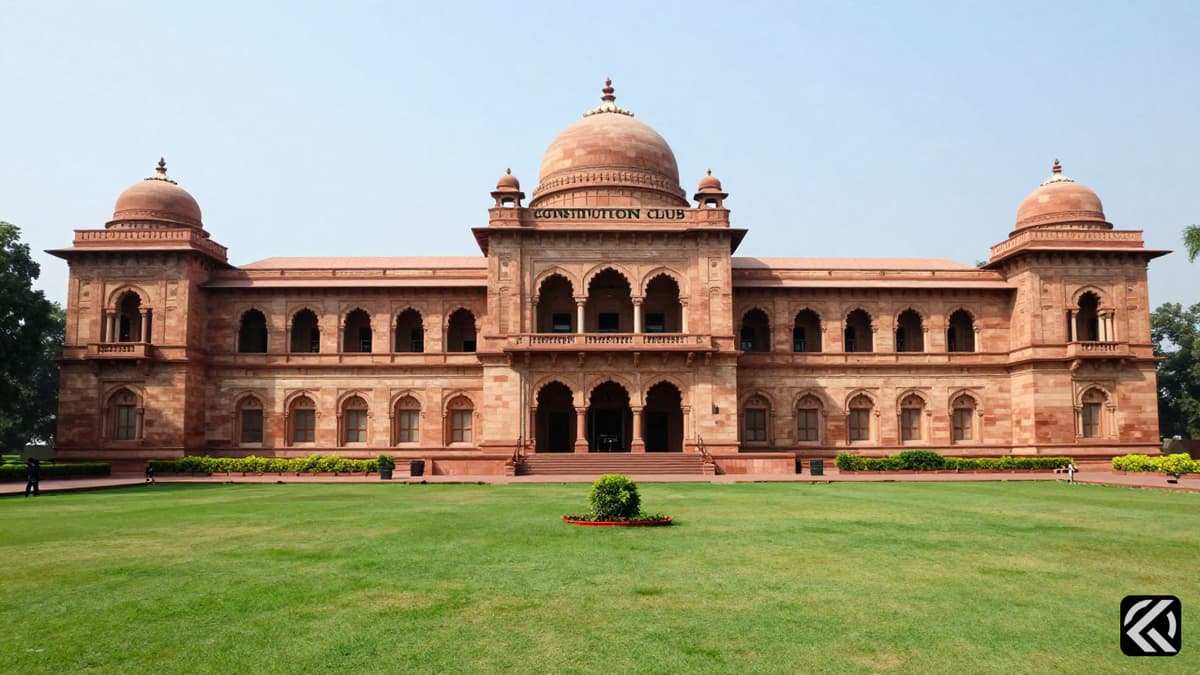
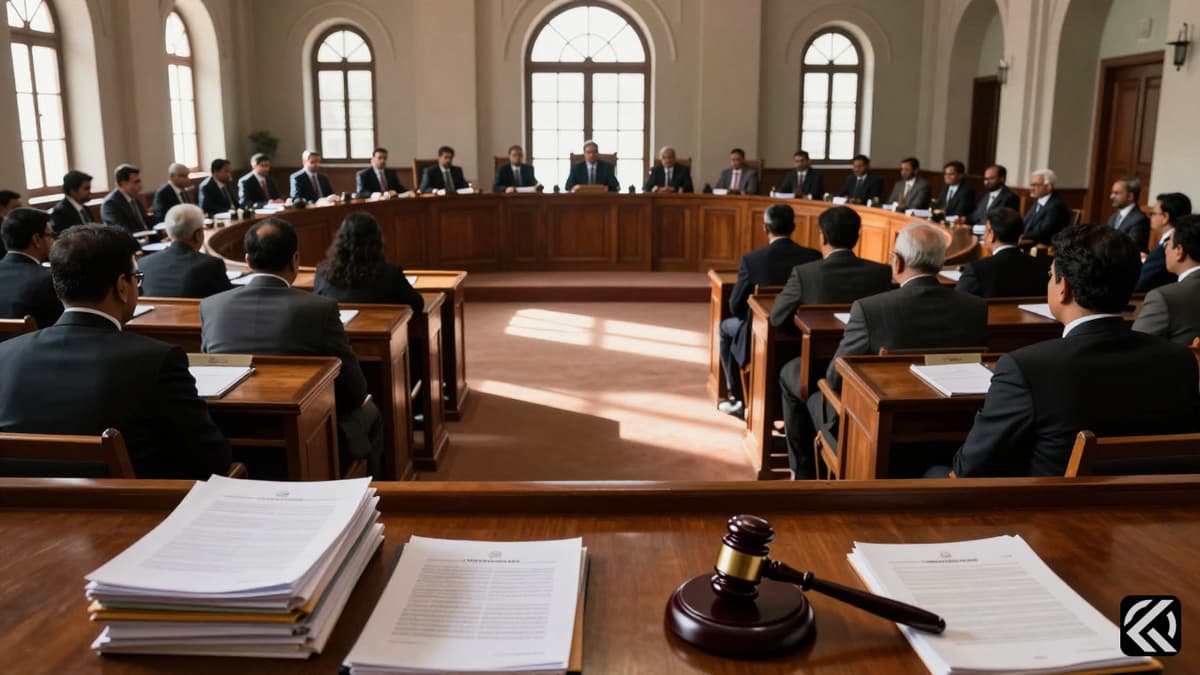
Several top leaders of the opposition alliance met at the Constitution Club in New Delhi. The gathering aimed to address internal divisions while presenting a united front on national issues. The meeting highlighted the bloc's resolve to manage its internal dynamics while responding to broader political challenges.
Prominent figures attending the deliberations included Sonia Gandhi, Rahul Gandhi, and Mallikarjun Kharge of the Congress party. Mamata Banerjee of the Trinamool Congress, Akhilesh Yadav of the Samajwadi Party, and Tejashwi Yadav of the RJD were also present. Omar Abdullah of the National Conference and Mehbooba Mufti of the PDP joined the discussions, alongside various Left leaders.
NCP(SP) leader Supriya Sule, CPI(M)’s John Brittas, and CPI’s D. Raja participated in the deliberations. Leaders from some smaller parties were also part of the discussions. Shiv Sena (UBT)’s Uddhav Thackeray attended the meeting virtually, signaling broad support across different factions of the opposition alliance.
At the meeting, Congress chief Mallikarjun Kharge announced the unanimous decisions taken by the leaders. He stated that the group had agreed to send a letter to the Chief Justice of India regarding Special Intensive Revision, specifically addressing claims of vote, loot, and stealing of elections. This move underscores the bloc's concern over electoral integrity and its demand for judicial attention to these allegations.
Kharge further revealed that the leaders had unanimously agreed to demand the immediate resignation of Union Education Minister Dharmendra Pradhan. This demand reflects deep dissatisfaction within the alliance regarding his conduct or policies, marking a significant escalation in the opposition's strategy against the central government. The unified stance on this personnel issue indicates a coordinated effort to exert political pressure.
Additionally, the India bloc leaders urged the central government to call for an all-party meeting to discuss the precarious economic situation facing the nation. This request highlights their focus on economic stability as a key agenda item, aiming to hold the government accountable for its management of the country's financial affairs. The bloc is seeking a platform to voice their economic concerns directly to the ruling establishment.
The leaders also agreed to meet every two months to maintain cohesion within the alliance. They stated that parliamentary coordination will continue with daily meetings, ensuring that their collective voice remains consistent and active in legislative proceedings. This structural decision aims to prevent fragmentation and sustain momentum in their political campaigns.
The decision to demand the resignation of the Education Minister comes amid heightened tensions between the opposition and the ruling party. By focusing on specific personnel issues, the INDIA bloc seeks to draw attention to what it perceives as governance failures. The alliance's strategy involves combining legal challenges regarding elections with direct political demands against key government officials.
The emphasis on democratic values suggests that the bloc views the current political climate as a threat to constitutional norms. Addressing these threats requires not only public demonstrations but also institutional actions, such as the letter to the Chief Justice. This dual approach of legal and political pressure is intended to maximize the impact of their demands on the government.
The presence of leaders from diverse regional parties, including the Trinamool Congress, Samajwadi Party, and National Conference, indicates the broad-based nature of this coalition. Their collective action in New Delhi demonstrates a willingness to transcend regional differences to address national concerns. This unity is crucial for the bloc's effectiveness in opposing the central government's policies.
The virtual attendance of Uddhav Thackeray further illustrates the logistical and political efforts made to ensure widespread participation. It shows that the alliance is adapting to practical constraints while maintaining its strategic objectives. The inclusion of Left leaders and representatives from smaller parties adds to the diversity and strength of the opposition's stance.
The agreed-upon bi-monthly meetings and daily parliamentary coordination will likely result in more synchronized opposition activities. This structured approach could lead to more organized protests, legislative disruptions, and public campaigns in the coming months. The bloc is positioning itself as a viable alternative by maintaining internal discipline and clear communication channels.
The demand for an all-party meeting on the economic situation indicates that the opposition is preparing to challenge the government's economic narrative. By framing the economy as "precarious," they aim to influence public perception and erode confidence in the ruling party's economic management. This could have significant implications for the government's popularity and political capital.
The focus on the Special Intensive Revision regarding electoral issues suggests that the bloc is preparing for upcoming political contests. By highlighting alleged irregularities, they seek to delegitimize the current political landscape and rally support around their own agenda. This tactic is often used to mobilize voters who are dissatisfied with the status quo.
The unanimous demand for Dharmendra Pradhan's resignation serves as a focal point for the alliance's grievances. It allows the bloc to present a clear and specific demand rather than vague criticisms. This clarity can be more effective in media coverage and public discourse, helping to dominate the news cycle with their narrative.
The INDIA bloc's recent actions in New Delhi mark a significant consolidation of opposition forces against the current central government. By unanimously demanding the resignation of Education Minister Dharmendra Pradhan and initiating legal channels regarding electoral integrity, the alliance has demonstrated a high level of coordination. The agreement to meet bi-monthly and maintain daily parliamentary coordination suggests that this unity is not temporary but a sustained strategy. This structured approach to opposing the government, combined with their focus on economic and democratic issues, indicates that the opposition is preparing for a long-term political battle. The potential long-term impact includes increased political instability for the ruling party and a more polarized political landscape in India, as the opposition seeks to leverage these unified stances to gain public support.
Jun 8, 2026 14:20 UTC
Xi Jinping Returns to North Korea for Strategic Leverage
Join 50,000+ readers getting the global briefing every morning.
No spam. Unsubscribe anytime.
Jun 8, 2026 14:20 UTC
Xi Jinping Returns to North Korea for Strategic Leverage
Jun 8, 2026 12:37 UTC
Iran Halts Strikes on Israel, Warns of Harsher Retaliation
Jun 8, 2026 12:16 UTC
Yahoo Clarifies Data Usage and User Consent Rights
Jun 8, 2026 10:44 UTC
INDIA Bloc Leaders Gather in Delhi Amidst Internal Tensions