Top opposition figures convene in New Delhi to address post-election strategy and internal bloc tensions, marking a critical moment for the coalition.
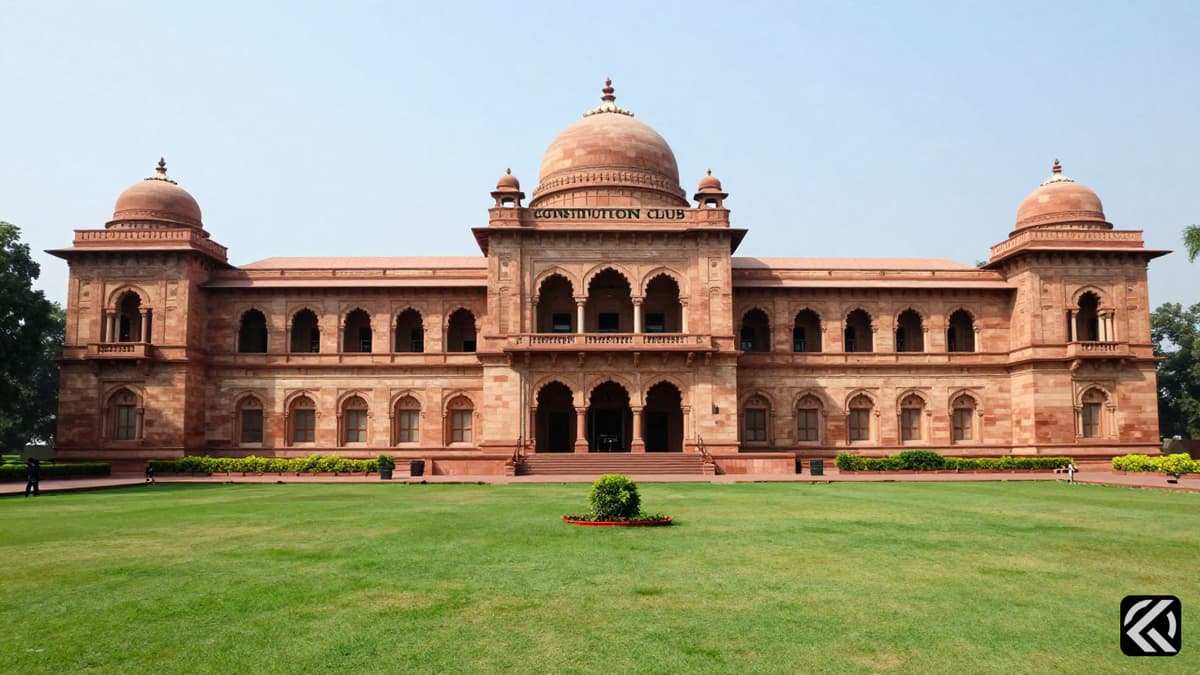
The leaders of the opposition INDIA bloc convened at the Constitution Club in New Delhi on June 8, 2026, marking their first formal gathering since the 2024 Lok Sabha elections. This meeting addresses the complex political landscape following recent assembly polls where non-BJP parties faced mixed results. The primary objective is to strategize against the ruling Bharatiya Janata Party and address internal coalition dynamics that have emerged in the wake of state-level defeats.
The summit was called at the request of Mamata Banerjee’s Trinamool Congress, which suffered a significant setback after losing power in West Bengal following 15 years in office. The gathering includes representatives from 23 parties, aiming to present a united front despite visible fractures. Key figures present include Congress president Mallikarjun Kharge, who opened the session, alongside prominent leaders such as Rahul Gandhi, who leads the opposition in the Lok Sabha.
The attendance list reveals a significant fragmentation within the opposition alliance. While Congress leaders Sonia Gandhi, Rahul Gandhi, and Mallikarjun Kharge were present, along with TMC chief Mamata Banerjee, Samajwadi Party leader Akhilesh Yadav, and RJD leader Tejashwi Yadav, major players stayed away. The Dravida Munnetra Kazhagam (DMK) explicitly boycotted the meeting, citing the Congress party's "betrayal" in Tamil Nadu, where it aligned with the Tamilaga Vettri Kazhagam after losing power to the AIADMK. Similarly, the Aam Aadmi Party (AAP) remained absent.
Adding to the charged atmosphere, anti-Rahul Gandhi posters appeared at roundabouts in New Delhi ahead of the meeting. These posters highlighted past criticisms of the Congress MP from various opposition leaders, including Sharad Pawar, Udhayanidhi Stalin, and Arvind Kejriwal. This visual protest underscored the lingering grievances within the bloc, particularly regarding leadership dynamics and strategic disagreements.
Agenda and Core Issues
Mallikarjun Kharge outlined a comprehensive agenda during his opening remarks, focusing on several critical national issues. The discussion will cover the Special Intensive Revision (SIR) of electoral rolls, a contentious topic affecting future elections. Additionally, the leaders plan to address allegations of the BJP-led Centre’s misuse of investigative agencies and perceived discrimination against non-BJP state governments. Economic concerns such as inflation, privatization, unemployment, and paper leaks were also prioritized. Furthermore, the opposition aims to critique what they describe as the Centre’s "weak" foreign policy.
Shiv Sena (UBT) chief Uddhav Thackeray attended the meeting virtually, reflecting the broad but disjointed nature of the coalition. The presence of Left party leaders, including CPM’s John Brittas, and other regional party heads like Omar Abdullah and Mehbooba Mufti, indicates an attempt to stabilize the bloc’s numerical strength despite ideological differences.
Rising Tensions and Historical Context
Tensions between the Congress party and its allies have been simmering, particularly with the Communist Party of India (Marxist). John Brittas expressed serious concerns regarding the conduct of top Congress leaders. He alleged that Rahul Gandhi, Mallikarjun Kharge, and Priyanka Gandhi had accused the Left party of having an "understanding" with the BJP during the Kerala assembly elections. Brittas questioned the purpose of the gathering if such charges persist, stating that the CPI(M) does not seek validation from Congress regarding its commitment to opposing the BJP.
Further friction had been observed between Congress and the Jharkhand Mukti Morcha over seat-sharing for upcoming Rajya Sabha elections, though this specific dispute has reportedly been resolved. The Trinamool Congress’s on-off relationship with the INDIA bloc, highlighted by their decision to contest the Lok Sabha polls alone in West Bengal, adds another layer of complexity to the current discussions. The meeting serves as a crucial test of whether the opposition can reconcile these differences to form a cohesive strategy against the ruling dispensation.
The gathering at the Constitution Club highlights the fragile state of the opposition alliance, grappling with electoral setbacks and internal mistrust. While the immediate goal is to coordinate responses to national issues like inflation and electoral reforms, the absence of key allies like the DMK and AAP suggests deep structural rifts. The bloc must now determine if it can sustain a unified front or if it will continue to fragment along regional and ideological lines. The outcome of this meeting will likely dictate the opposition's trajectory in upcoming political battles, requiring a significant reconciliation effort to maintain relevance and effectiveness against the BJP's dominant position.
Jun 8, 2026 06:24 UTC
Magnitude 7.8 Earthquake Shocks Philippines, Killing Four in General Santos
Join 50,000+ readers getting the global briefing every morning.
No spam. Unsubscribe anytime.
Jun 8, 2026 08:07 UTC
Five Injured in Penn Station Stabbing Before Trump NBA Finals Visit
Jun 8, 2026 06:24 UTC
Magnitude 7.8 Earthquake Shocks Philippines, Killing Four in General Santos
Jun 8, 2026 06:22 UTC
Xi Jinping Lands in Pyongyang for Rare Kim Jong Un Meeting
Jun 8, 2026 04:15 UTC
Trump Urges Netanyahu to Halt Iran Strike for Peace