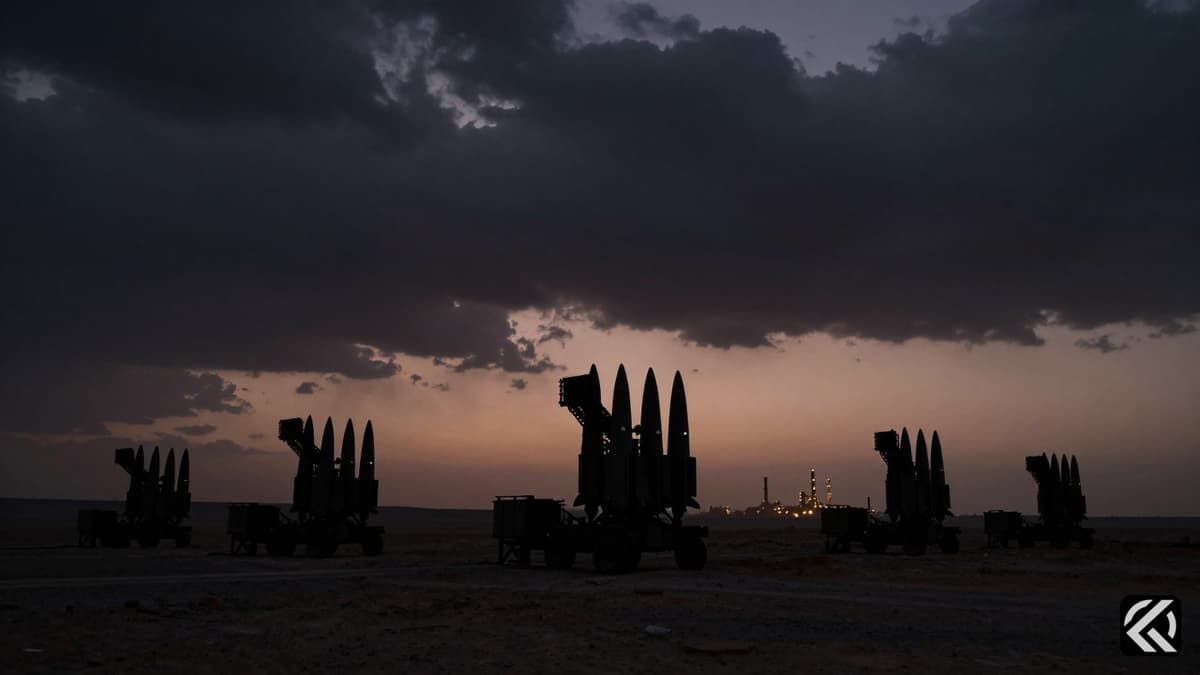
Israeli Prime Minister Benjamin Netanyahu has confirmed a pause in combat with Iran while pledging to use full force against any future aggression from Tehran.
Israeli Prime Minister Benjamin Netanyahu acknowledged the cessation of active combat operations with Iran on Monday, June 8, 2026, yet he issued a stark warning that Israel reserves the right to retaliate with significant force should Tehran resume hostilities. This development marks a critical, albeit fragile, pause in the escalating tensions that have threatened to plunge West Asia back into full-scale war.
The acknowledgment came during a videotaped statement delivered by Mr. Netanyahu, in which he declared that the fighting had stopped because Israel had successfully "hit the terror regime in Tehran." However, this declaration of a temporary halt was immediately coupled with a stern ultimatum. The Prime Minister stated clearly that if Iran "makes the mistake and returns to attacking us, we will respond with force." This conditional peace underscores the volatile nature of the current geopolitical landscape, where a truce is announced simultaneously with preparations for future retaliation.
Simultaneously with the cessation of direct fire between Israel and Iran, the region experienced further instability. On the same day, Iran and Israel exchanged fire, highlighting the precariousness of the situation. Yemen’s Houthi rebels also contributed to the rising tension by launching a missile at Israel and issuing threats to disrupt critical Red Sea shipping lanes. These concurrent events represent the most serious escalation since a ceasefire was initially established two months prior, raising fears of a broader regional conflagration.
Israeli authorities reported that the day’s hostilities involved three distinct waves of Iranian missiles targeting the country. As the missiles approached, explosive sounds were heard across central Israel, while Israeli air defense systems worked tirelessly to intercept the incoming aerial threats. The successful interception and the subsequent halt in fighting suggest a complex military dynamic where defensive capabilities and offensive strikes intersected.
In his address, Mr. Netanyahu also addressed Israel’s ongoing campaign against Hezbollah, Iran’s allied Lebanese militant group. He affirmed that Israel is continuing to operate against Hezbollah and asserted that the nation "has full right to self-defence," a right it intends to exercise "to the full extent necessary." This dual front of engagement-acknowledging a pause with Iran while continuing operations in Lebanon-illustrates Israel’s strategy of maintaining pressure on all adversarial fronts while negotiating a reprieve with its primary regional antagonist.
The timing of this halt is particularly significant given recent diplomatic developments. Reports indicate that the United States and Iran have agreed to extend a ceasefire for 60 days, although this agreement still requires the final approval of U.S. President Donald Trump. This pending approval adds another layer of uncertainty to the current pause, suggesting that the halt in fighting is not merely a result of military stalemate but also part of a broader, albeit fragile, diplomatic maneuvering effort.
The interplay between military action and diplomatic negotiation remains delicate. While the immediate threat of missile exchange has decreased, the underlying tensions remain high. The Houthi threats to Red Sea shipping demonstrate that the conflict’s ripple effects extend beyond direct combat zones, impacting global trade and security. The continuation of strikes against Hezbollah further indicates that Israel’s security doctrine prioritizes preemptive and continuous pressure on allied militant groups, regardless of the status of talks with Tehran.
As the region looks toward the next phase of this conflict, the actions of all parties will be closely watched. The vow to respond with force serves as a deterrent, but it also raises the stakes for any future miscalculation. The 60-day window provided by the proposed US-Iran agreement will be crucial in determining whether this pause can evolve into a lasting stability or merely a brief interlude before renewed hostilities. The coming weeks will test the resilience of diplomatic efforts against the persistent realities of military confrontation in West Asia.
The potential approval of the 60-day ceasefire extension by President Trump could temporarily stabilize the region, reducing immediate missile threats and allowing for diplomatic de-escalation. However, the continued operations against Hezbollah and the Houthi threats to shipping lanes suggest that underlying tensions remain unresolved. If Iran chooses not to resume attacks, this period may allow for diplomatic channels to open, but the risk of renewed conflict remains high due to the explicit warnings of forceful retaliation issued by Israeli leadership. The effectiveness of this pause will depend entirely on sustained mutual restraint and the finalization of the diplomatic agreement.
Jun 8, 2026 22:55 UTC
Netanyahu Vows Forceful Response to Future Iran Attacks
Join 50,000+ readers getting the global briefing every morning.
No spam. Unsubscribe anytime.
Jun 8, 2026 20:54 UTC
Justice Department Moves to Strip Citizenship from 17 Individuals
Jun 8, 2026 18:37 UTC
Trump Denied War Pledge Despite Clear Campaign Records
Jun 8, 2026 18:27 UTC
INDIA Bloc Unanimously Demands Education Minister’s Resignation
Jun 8, 2026 16:44 UTC
Trinamool Congress Rebellion: Rebel MPs Form Bloc to Back NDA


