Section
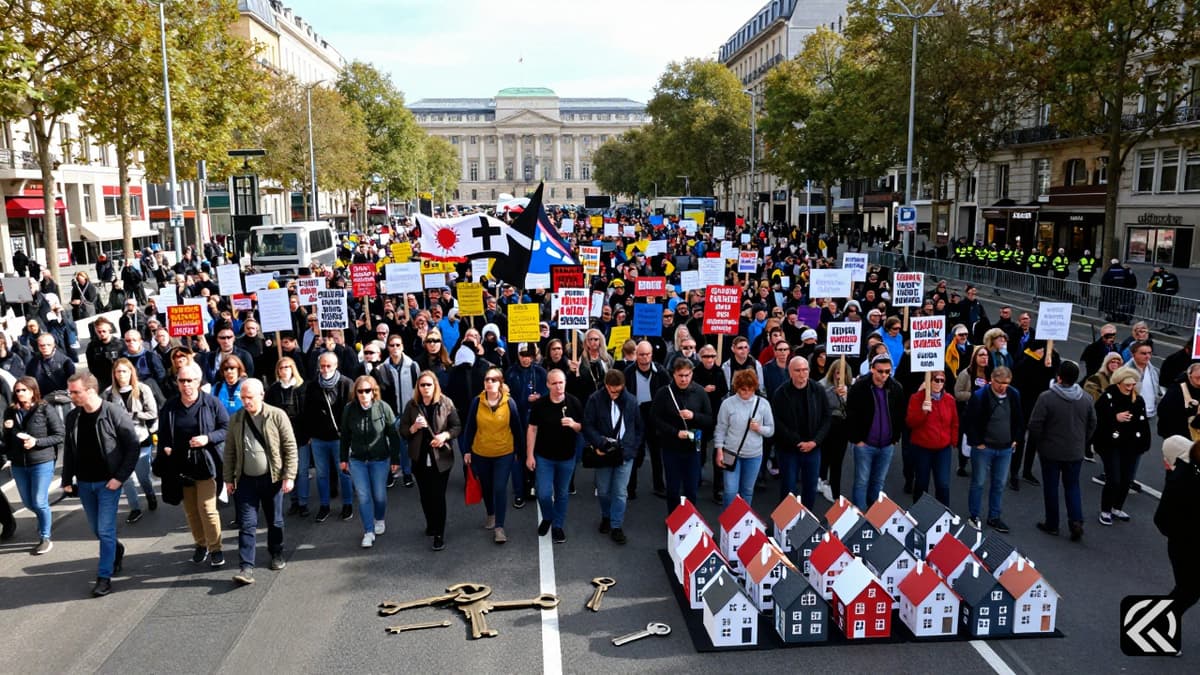
Spain faces intense civil unrest as emergency housing legislation collapses in parliament, igniting widespread protests against the rental crisis and corporate property ownership.
The collapse of Spain’s emergency housing legislation on Friday has ignited widespread civil unrest across the country. Thousands of demonstrators have flooded streets in major cities, including Madrid, Valencia, and Barcelona, expressing fury over the government’s inability to protect tenants. This legislative failure marks a significant political blow for Prime Minister Pedro Sánchez, whose leftist coalition government lacks a parliamentary majority. The failed measures were intended to address the deepening rental crisis and curb the influence of foreign investment funds in the residential property market.
The immediate trigger for this wave of News and protest activity was the rejection of two separate decrees by Congress. The first decree, which sought to suspend evictions for vulnerable tenants until 2030 and restrict "vulture funds," failed by just six votes. The second decree, proposing automatic renewal of rental contracts, was also defeated. This defeat has heightened speculation that Sánchez may call an early general election, which was not scheduled until next summer, due to the fragility of his political base.
The political fallout from the failed vote is severe. Prime Minister Sánchez’s coalition, comprising the ruling Socialist party and the junior partner Sumar, depends on the support of smaller nationalist parties in Catalonia and the Basque Country. However, before the vote even took place, the conservative People's Party (PP) and far-right Vox had pledged to oppose the measures. Crucially, by the eve of the session, the centre-right, pro-independence Together for Catalonia (JxCat) signaled its opposition, effectively dooming the bills.
The legislation was hastily drawn up in an attempt to defuse protests sparked by the September eviction of 87-year-old Maricarmen Abascal. Her eviction, following an inability to afford a sharp rent increase, caused a national outcry. Although the property management company, Urbagestión, subsequently negotiated her return on a low rent, the incident became a symbol of the broader housing crisis. The rejection of the proposed measures has been described by Madrid's Tenants' Union as exacerbating a crisis that is "costing the working class their lives."
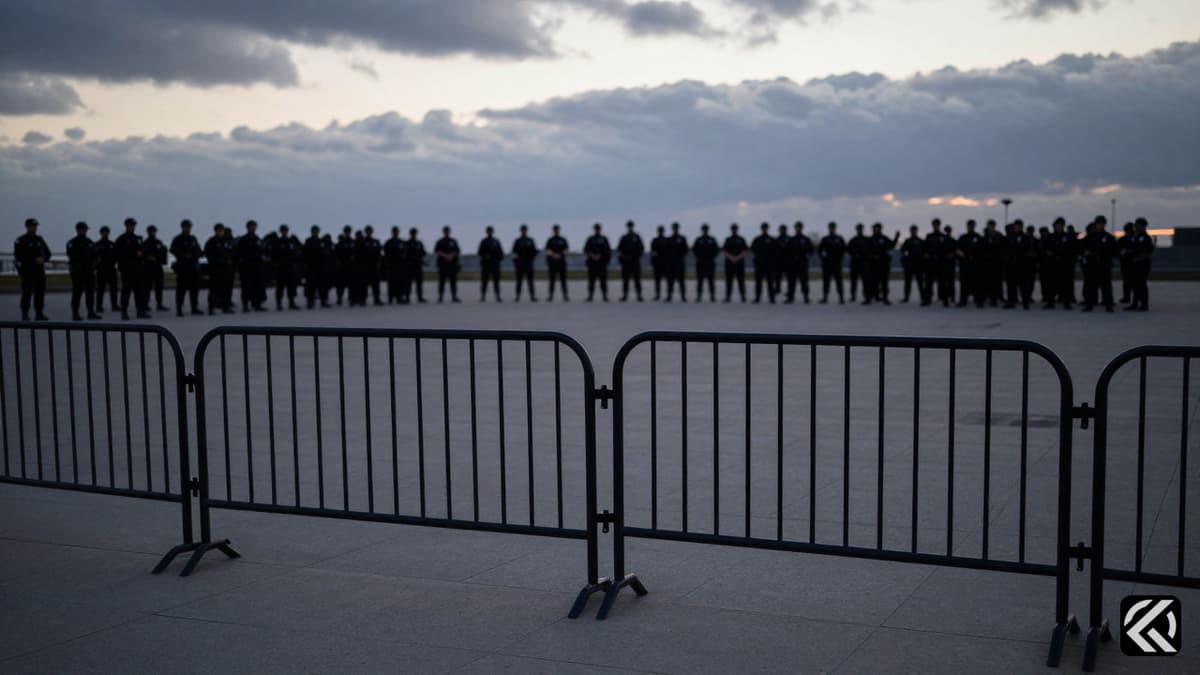
The anger in the streets is palpable, particularly in Valencia, where clashes occurred between protesters and police near the Palau de les Arts Reina Sofía. Photos captured demonstrators removing barriers and throwing objects at officers, who responded with rubber bullets. A spokesperson for the Valencia Tenants' Union noted the intensity of the situation, stating, "There is a lot of anger in the streets."
In Madrid, the capital, estimates of protest participation varied wildly. The city's Tenants' Union claimed 500,000 participants, while government officials estimated 70,000. Demonstrators have been camping in Puerta del Sol for days, signaling sustained engagement. David, a protester interviewed by Spanish public broadcaster RTVE, emphasized the seriousness of the movement: "We're not here for pleasure or comfort. We're here out of conviction."
The Madrid Tenants' Union is now calling for a general strike, arguing that the government’s proposed measures were insufficient even before the vote. The defeat of the legislation leaves the government without a clear path to address the immediate demands of lower rents, an end to evictions, and a ban on investment funds buying residential property.
The political instability is rooted in severe economic fundamentals. The Bank of Spain estimates a shortage of 700,000 homes, driven by a gap between demand and new construction. This scarcity has led to dramatic price increases. According to data from the national statistics institute INE, house prices rose by 12.2% in the past year, with figures from the second quarter of 2026 confirming the trend.
Rental costs have also surged. Real estate firm Idealista reported that housing costs rose by 8.5% in 2025, with Madrid alone seeing a 9.7% increase in rents. These figures underscore the desperation driving the protests. The public outcry was not just political but existential, as families are pushed out of their homes by unaffordable rates. The failed legislation, which included tax increases for tourist apartments and extensions for rental leases, was seen by supporters as a minimal attempt to mitigate these economic pressures.
The rejection of these decrees leaves the government in a precarious position. Without a majority, Sánchez must navigate a fragmented parliament to pass any future housing reforms. The continued resistance from opposition parties like the PP and Vox, along with the wavering support from JxCat, suggests that passing tough housing legislation will be difficult. The ongoing protests indicate that the public will not accept inaction, potentially forcing the government's hand in unprecedented ways.
The failure of the housing bill has solidified a political deadlock, with no immediate legislative solutions in sight. The continued presence of protesters in key squares like Puerta del Sol suggests that the movement is not transient but deeply rooted in the structural issues of the Spanish property market. As rents continue to outpace wages and the shortage of 700,000 homes persists, the pressure on Sánchez’s government will intensify. The likely call for an early election could further destabilize housing policy, leaving tenants in limbo until a new government can formulate a strategy. Without decisive action to curb investment funds and increase supply, the cycle of eviction fears and street protests is likely to persist, fundamentally reshaping Spain's political landscape.
Oct 3, 2026 04:08 UTC
FlyDubai Co-Pilot Banned in Oman Over Extremism Concerns
Oct 3, 2026 00:50 UTC
Israel-Mumbai Campaign Honors Captain Smit After Flydubai Incident
Oct 2, 2026 18:13 UTC
Captain Smit Machchhar’s Courage Saves Flydubai Flight FZ1073 From Disaster
Oct 2, 2026 16:45 UTC
Captain Smit Machchhar Saves Plane Mid-Fall
Oct 3, 2026 12:53 UTC
150 Detained in Delhi Protesting CEC Gyanesh Kumar