Section
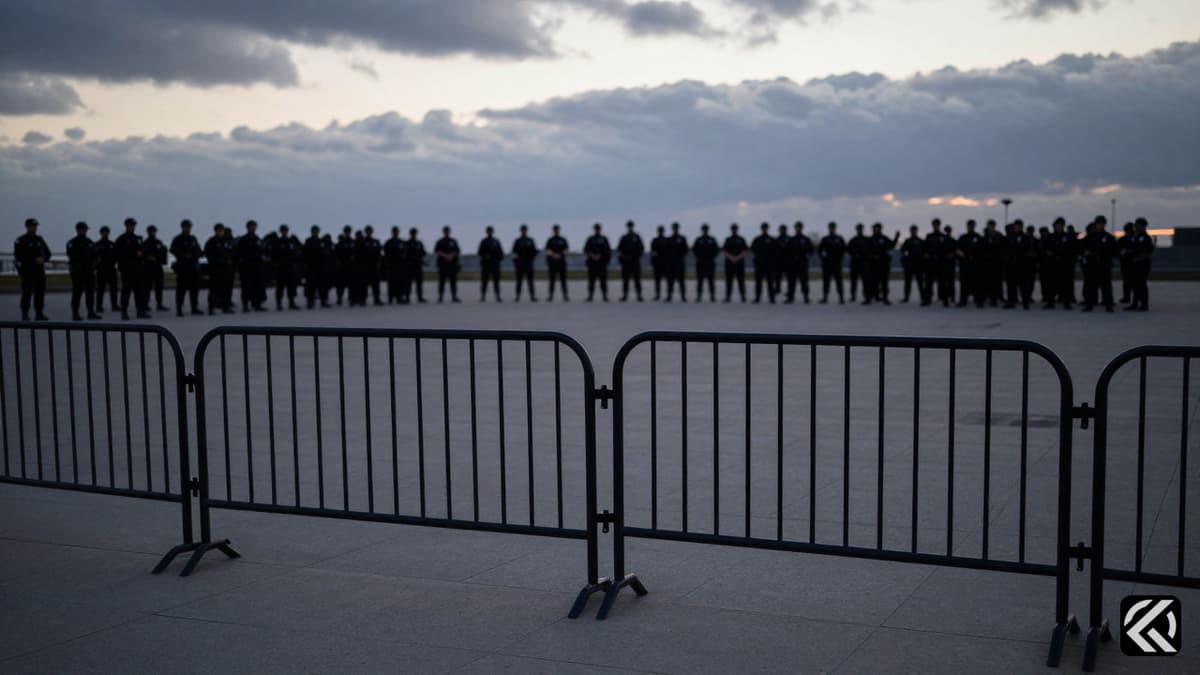
Mass detentions erupt in Delhi as activists, lawyers, and students confront police demanding CEC Gyanesh Kumar's resignation over alleged electoral roll irregularities.
On Saturday, October 3, 2026, approximately 150 protesters were detained by Delhi Police in the vicinity of Jantar Mantar while marching from Patel Chowk Metro Station. The demonstrators, including AISA national president Neha Bora, activist Yogendra Yadav, and senior advocate Prashant Bhushan, were calling for the resignation of Chief Election Commissioner Gyanesh Kumar. The mobilization continued despite heavy security barricades and heightened police presence, marking a second day of sustained protests by opposition groups against the Election Commission.
The detentions occurred as a large group, joined by Rajya Sabha MP Kapil Sibal and other lawyers, attempted to reach the protest site to voice dissent over the Special Intensive Revision of electoral rolls. Police personnel deployed at multiple points began detaining individuals as they gathered, with allegations of manhandling and abuse reported against certain officers. This action followed a similar crackdown on Friday, where nearly 1,000 protesters were detained from Jantar Mantar and surrounding areas.
The protest was not merely a spontaneous gathering but a coordinated effort by various political entities and civil society groups expressing deep discontent with the current electoral framework. State Congress chief Harshwardhan Sapkal highlighted a growing anger among youth against BJP governments at the Centre and in Maharashtra, stating that cases were being filed specifically to suppress their voices. He pointed to recent events, such as a march by tribal students from Nashik to Mumbai and protests in Pune regarding MPSC irregularities, as indicators of widespread dissatisfaction.
Congress president Mallikarjun Kharge escalated the rhetoric significantly, demanding the dissolution of both the Lok Sabha and State Assemblies. He argued that "all the elections were illegal" and even questioned the legitimacy of Prime Minister Narendra Modi, Home Minister Amit Shah, and various Chief Ministers. Kharge alleged the misuse of Electronic Voting Machines (EVMs), citing internal dissent within his own party regarding the ongoing Special Intensive Revision. He referenced reports indicating that two Election Commissioners had written to the CEC multiple times without effect, suggesting arbitrary election conduct.
The legal arm of the Indian Youth Congress also intervened, with President Uday Bhanu Chib moving the Delhi High Court. The petition challenges a Delhi Police order dated October 1, 2026, which rejected the IYC’s request to hold a peaceful demonstration for around 100-150 people. The legal team argued that the refusal was a "mechanical application" of protest guidelines and violated constitutional rights to assembly and expression. They asserted that authorities cannot "convert the power to regulate a peaceful assembly into a power to prohibit it."
Simultaneously, members of the car washer union CarWAN protested near the site, demanding the release of activists held by Uttar Pradesh police in Noida. They highlighted the case of Satyam Verma, who continues to face National Security Act (NSA) charges, and Akriti Chaudhary, who remains in jail despite the quashing of her NSA charges. Six other activists are also reportedly in jail. CarWAN members alleged they were detained forcefully by police personnel who were seen without visible name tags, further fueling accusations of unaccountable policing.
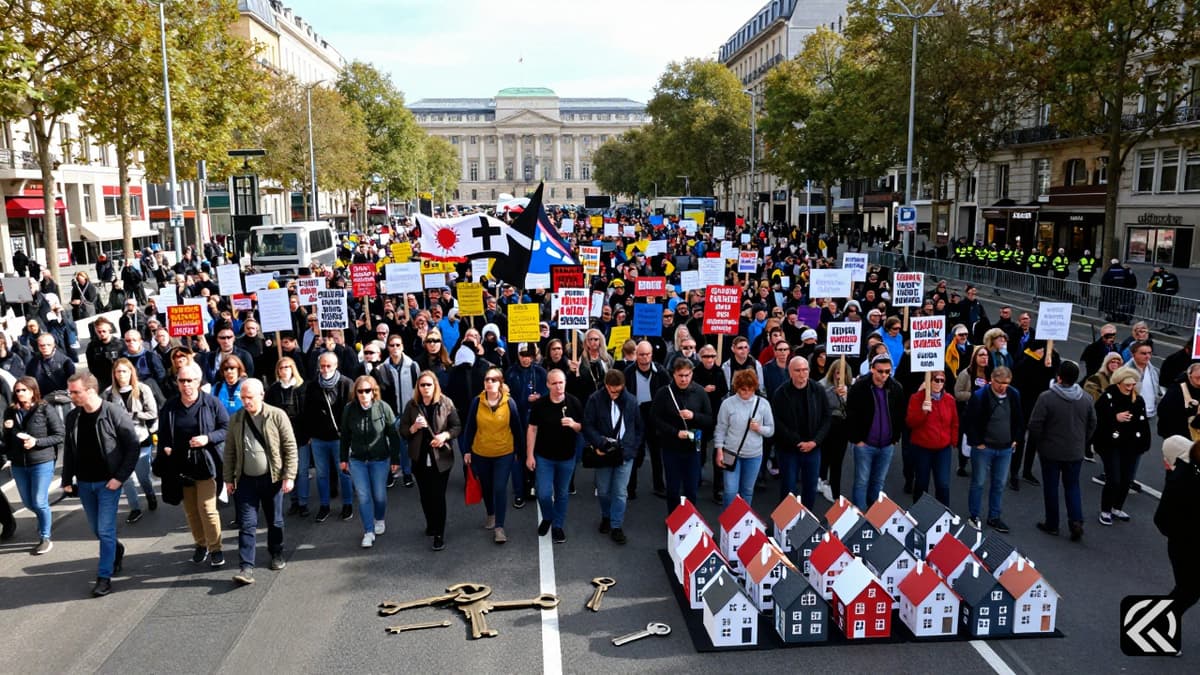
The symbolism of the protest was stark, with IYC workers dressing in black robes, white masks, and skulls to represent themselves as "living ghosts" allegedly removed from voter rolls while still alive. This visual protest underscored the core grievance: the disenfranchisement of citizens through opaque electoral processes. Despite the physical barriers and arrests, prominent figures like Trinamool Congress MP Mahua Moitra urged continued resistance via social media, noting that 11 metro stations had been shut down to prevent mobilization.
Delhi Police responded to the unrest by registering at least three FIRs in connection with the Friday protests involving student organizations, political parties, and civil society activists. The force remained firm, citing security concerns as they prevented large groups from reaching the iconic site. Meanwhile, political leaders like Kharge and Sapkal warned that the BJP would face consequences for attempting to suppress public dissent through legal and physical pressure.
The mass detentions and high-profile political accusations signal a deepening crisis of confidence in India’s electoral administration. As Congress and student unions legally and physically challenge the authority of the Election Commission, the government’s reliance on security measures to maintain order may only intensify public scrutiny. If the legal challenges to the Special Intensive Revision proceed and allegations of procedural irregularities persist, it could lead to significant political instability and widespread demands for fundamental reforms in how elections are conducted and verified in the future.
Oct 3, 2026 04:08 UTC
FlyDubai Co-Pilot Banned in Oman Over Extremism Concerns
Oct 3, 2026 00:50 UTC
Israel-Mumbai Campaign Honors Captain Smit After Flydubai Incident
Oct 2, 2026 18:13 UTC
Captain Smit Machchhar’s Courage Saves Flydubai Flight FZ1073 From Disaster
Oct 2, 2026 16:45 UTC
Captain Smit Machchhar Saves Plane Mid-Fall
Oct 3, 2026 14:39 UTC
Spain's Housing Bill Fails as Protests Ignite Nationwide