Section
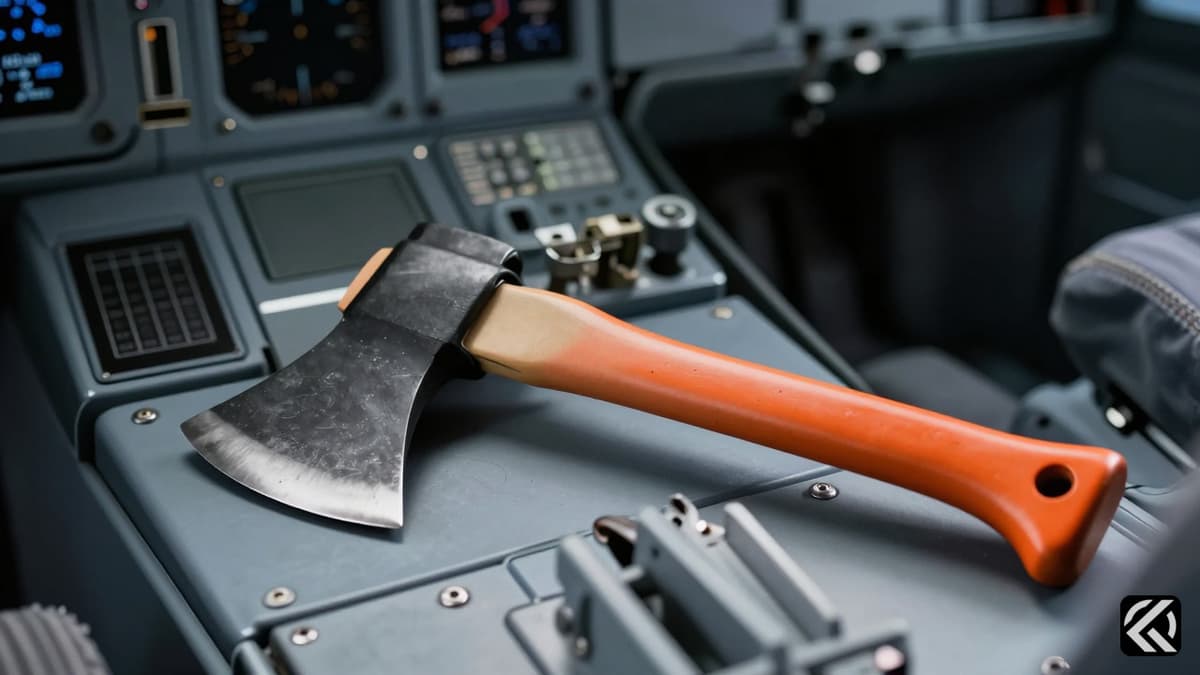
A Flydubai flight to Israel turned into a cockpit crisis when the co-pilot attacked the captain with a crash axe, prompting an emergency landing and high-level investigations.
The prosecutor general of the United Arab Emirates has declared that a Flydubai co-pilot "attempted to carry out a terrorist act" during a commercial flight earlier this week. The incident involved the attacker using a crash axe against the pilot inside the cockpit.
State news agency WAM quoted Hamad Saif al-Shamsi as stating on Saturday that the attacker of Wednesday’s flight FZ1073 tried to take control of the aircraft’s flight controls. The plane, carrying 174 passengers, was en route from Dubai to Tel Aviv when the crisis unfolded.
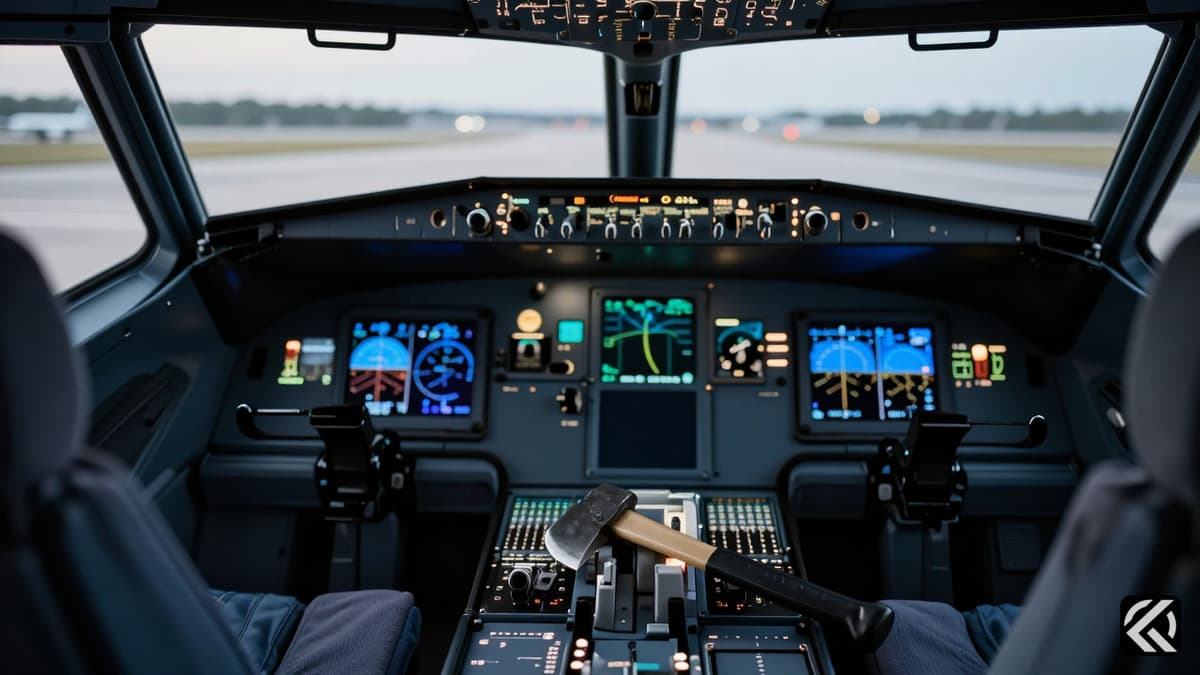
The incident began when the co-pilot wounded Indian pilot Smit Machchhar, who had opened the cockpit to seek help. The attacker utilized a crash axe, a tool typically kept in the cockpit to help pilots cut through the plane in emergencies. Machchhar, who was also returned to the UAE, was identified in reports as the officer who attempted to intervene.
Media reports quoting unnamed sources claimed the attacker was Omani national Hamam al-Hammami, though he was not officially identified by authorities. The aircraft briefly plunged about 17,000 feet (5,180 metres) before it was brought back under control by a second paid of new pilots after passengers and crew subdued the attacker.
The flight was diverted and forced to make an emergency landing at Prince Sultan bin Abdulaziz International Airport in Tabuk in northwestern Saudi Arabia. The co-pilot was arrested by Saudi authorities and handed over to the UAE as it leads the probe. Machchhar was also returned to the UAE following the ordeal.
Prosecutor General al-Shamsi confirmed that the investigation is under way "to uncover all the circumstances of the incident, its motives, and related connections, in addition to completing technical examinations and examining physical and digital evidence." He stated that the final results will be announced as soon as the necessary procedures are completed.
The incident has caused significant disruption and heightened security concerns across the region. Israeli Prime Minister Benjamin Netanyahu said on Friday that Israel was looking into whether the co-pilot had acted under anyone’s direction, warning that anyone involved would pay a “heavy price.” The phrasing suggests a thorough geopolitical and operational review is underway to determine if there were broader influences or if the act was isolated.
In response to the crisis, Flydubai halted all flights its Israel route after the incident. Israel’s El Al cancelled its scheduled flights, stranding some Israelis in the UAE. The immediate operational impact was severe, with two major carriers grounding their connections to the region to assess safety and security protocols.
At 22:00 GMT on Friday, the first repatriation flight, operated by Israeli carrier Arkia, arrived at Tel Aviv’s Ben Gurion Airport from Dubai. This marked the beginning of efforts to reposition stranded passengers and restore normalcy to the air routes, although the full resumption of services remains uncertain pending the outcome of the investigation.
The use of a terror act designation by the UAE’s highest legal authority elevates the severity of the event from a criminal matter to a potential national security threat. This classification often triggers more rigorous intelligence sharing and cooperative efforts between the UAE and allied nations, including Israel and Saudi Arabia, where the suspect was detained.
The plunge of 17,000 feet highlights the critical role of cabin crew and passengers in aviation safety. The fact that the aircraft was brought back under control by a second paid of new pilots after passengers and crew subdued the attacker underscores the importance of contingency training for non-pilot personnel in extreme cockpit security breaches.
The diversion to Tabuk, Saudi Arabia, demonstrates the robust cooperation between the two Gulf states. The rapid handover of the suspect to UAE authorities for investigation indicates a streamlined legal and diplomatic process, ensuring that the prosecution can proceed with all necessary physical and digital evidence gathered at the scene.
The investigation’s focus on "related connections" suggests that authorities are looking beyond the individual to any potential support networks. This could involve financial trails, communication logs, or ideological links, which are standard procedures in cases labeled as acts of terror. The completion of these technical examinations is crucial for understanding the full scope of the incident.
The WAM report confirms the gravity of the situation as investigations continue. The immediate future will see heightened security checks at UAE and Israeli airports, particularly regarding cockpit access and crew background verification. Airlines may implement stricter protocols for cockpit door integrity and crew interaction during flights. The suspension of flights indicates a cautious approach to restoring travel confidence, which could lead to temporary capacity reductions in the region. As the investigation into motives and connections proceeds, the aviation industry will likely see renewed emphasis on cockpit security measures to prevent similar incidents. The political rhetoric from Israeli leadership suggests that any linked individuals will face severe consequences, potentially leading to broader regional security initiatives. Long-term, the stability of the UAE-Israel air corridor depends on the thoroughness of the probe and the implementation of enhanced safety standards.
Oct 3, 2026 04:08 UTC
FlyDubai Co-Pilot Banned in Oman Over Extremism Concerns
Oct 3, 2026 00:50 UTC
Israel-Mumbai Campaign Honors Captain Smit After Flydubai Incident
Oct 2, 2026 18:13 UTC
Captain Smit Machchhar’s Courage Saves Flydubai Flight FZ1073 From Disaster
Oct 2, 2026 16:45 UTC
Captain Smit Machchhar Saves Plane Mid-Fall
Oct 3, 2026 08:23 UTC
Flydubai Co-Pilot Terrorist Act: Axe Attack on Dubai Flight